
Cameron Menzies Injury Update: Hospital Treatment, Physical Recovery, and the Mental Side of Setbacks in Professional Darts
Cameron Menzies’ recent injury has drawn attention to a side of professional darts that is often overlooked. While the sport may not involve the constant physical collisions seen in football or American football, the physical and mental demands placed on players at the highest level are intense. Menzies’ injury, which required hospital treatment following an on-stage incident, highlights how quickly circumstances can change even in precision-based sports.
The incident occurred during competitive play, where frustration and emotional pressure boiled over, resulting in physical harm that required immediate medical attention. While the injury was not career-threatening, it was serious enough to disrupt competition plans and raise questions about readiness, recovery, and mental well-being.
You might also like
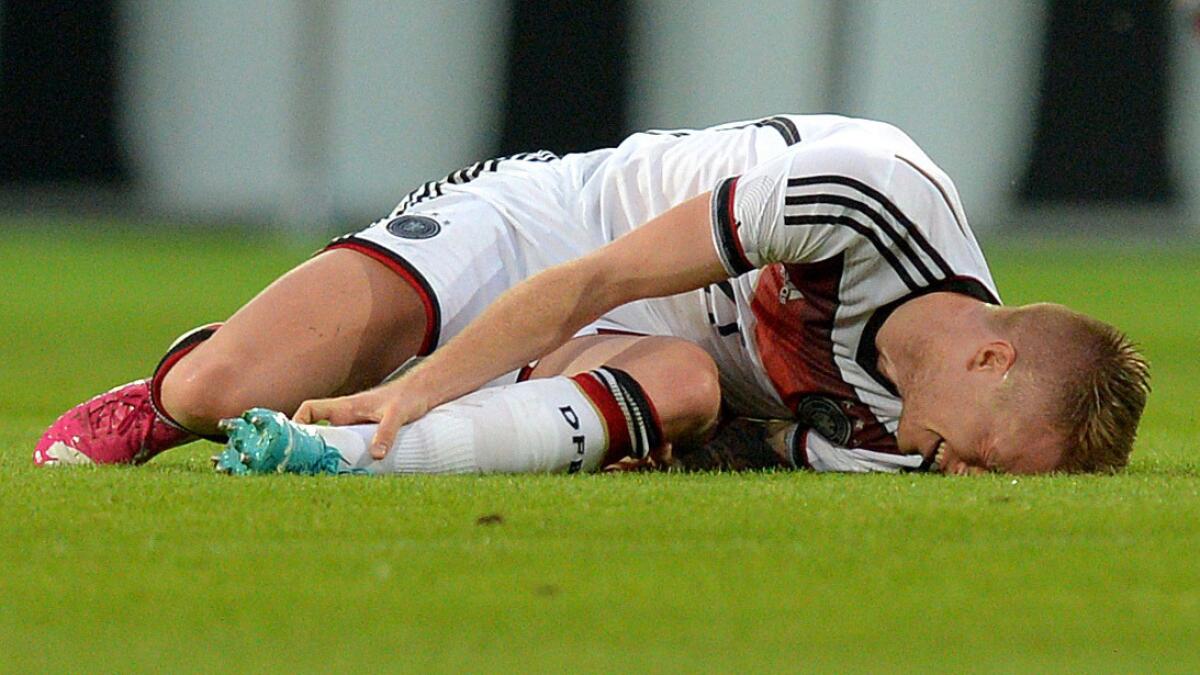
Why Players Go Down Easily in Football Matches
19:55 agoIn darts, physical stability is everything. The throwing motion relies on balance, fine motor control, and repeatable mechanics. Any injury affecting the hand, wrist, or upper body can significantly compromise accuracy and consistency. Even minor swelling or discomfort can alter release timing, trajectory, and confidence at the oche.
Following hospital treatment, attention shifted to recovery rather than immediate return. Unlike contact sports where players may play through pain, darts demands near-perfect physical control. Returning too quickly risks reinforcing bad habits as the body compensates for discomfort, potentially leading to longer-term performance issues.
The mental aspect of the injury is equally important. Professional darts is a sport deeply tied to focus and emotional regulation. Pressure from crowds, televised matches, and expectations can amplify frustration, and managing that pressure is a critical part of elite performance. When emotional stress leads to physical injury, recovery must address both dimensions.
Related Article

AC Milan Secure Niclas Füllkrug on Loan: Experience Added as Rossoneri Reinforce Their Attack
14:54 agoMenzies’ situation highlights how psychological strain can manifest physically. Long tournament schedules, travel demands, and constant scrutiny place cumulative stress on players. Without proper coping mechanisms, moments of frustration can escalate quickly, turning mental fatigue into physical setbacks.
From a competitive standpoint, time away from the oche disrupts rhythm. Darts players rely heavily on repetition and muscle memory, and any interruption can affect timing and confidence. Returning after injury often requires recalibration, not just of technique but of mindset.
Coaches and sports psychologists play an increasingly important role in such recoveries. Addressing emotional triggers, reinforcing mental resilience, and rebuilding confidence are as important as physical rehabilitation. In precision sports, the margin between success and struggle is often psychological.
Menzies’ recovery period also serves as a moment of reflection. Many players use forced breaks to reassess preparation routines, stress management strategies, and competitive approaches. While injuries are setbacks, they can also become turning points when handled constructively.
For fans, this injury update offers a broader understanding of professional darts. The sport demands not only technical skill but emotional discipline and physical consistency. Incidents like this remind audiences that elite competition carries pressures that are not always visible.
Looking ahead, Menzies’ return will depend on both physical readiness and mental clarity. Short-term recovery may resolve the immediate injury, but sustained performance will hinge on how well emotional intensity is managed in high-pressure environments.
Ultimately, Cameron Menzies’ injury update underscores an important truth across all sports: performance is never purely physical or mental. It is the balance between the two that defines longevity. In learning from this setback, Menzies has the opportunity to return not just healthy, but stronger in control and composure.
In professional sport, recovery is not simply about healing the body — it is about restoring balance.




No comments yet. Be the first to share your thoughts!