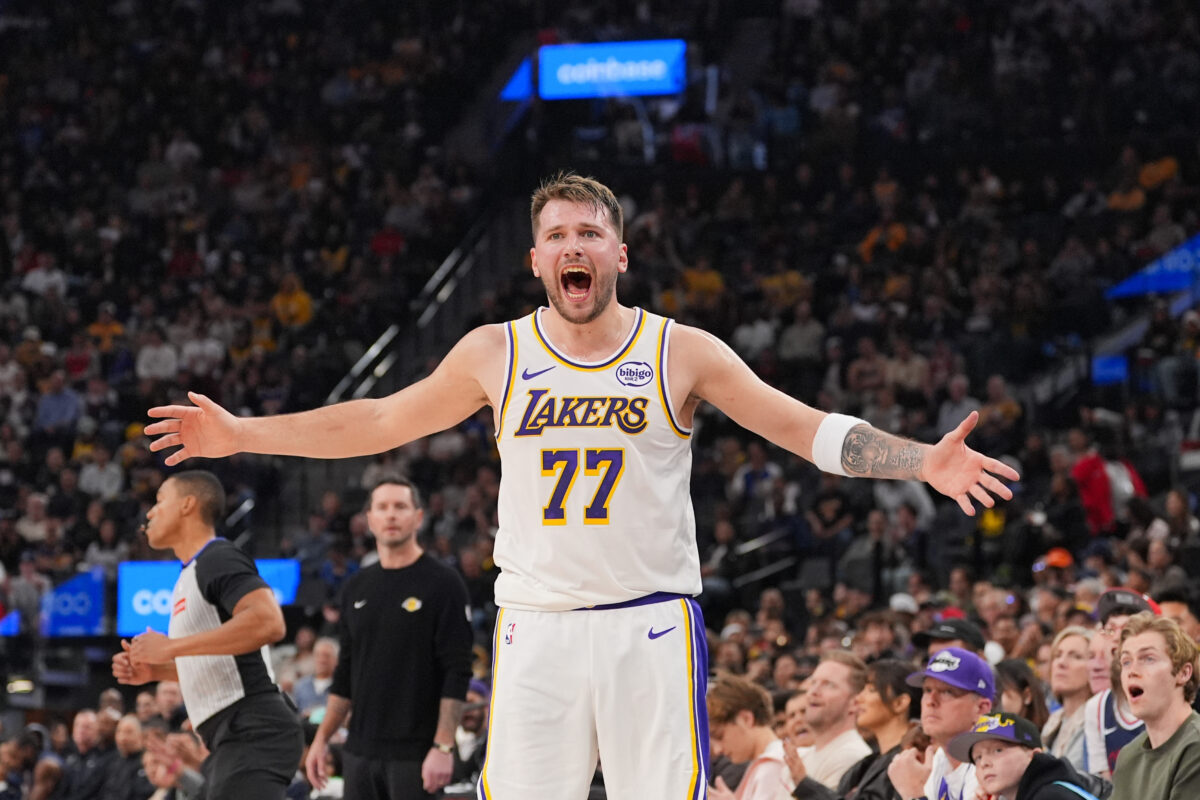
Luka Dončić Injury Update: Managing Physical Load, Short-Term Absence, and Long-Term Expectations
Luka Dončić’s injury situation has once again highlighted the physical demands placed on modern NBA superstars. As the focal point of his team’s offense and one of the most heavily used players in the league, any physical issue involving Dončić immediately draws attention, not only because of his individual brilliance, but because of how central he is to his team’s identity.
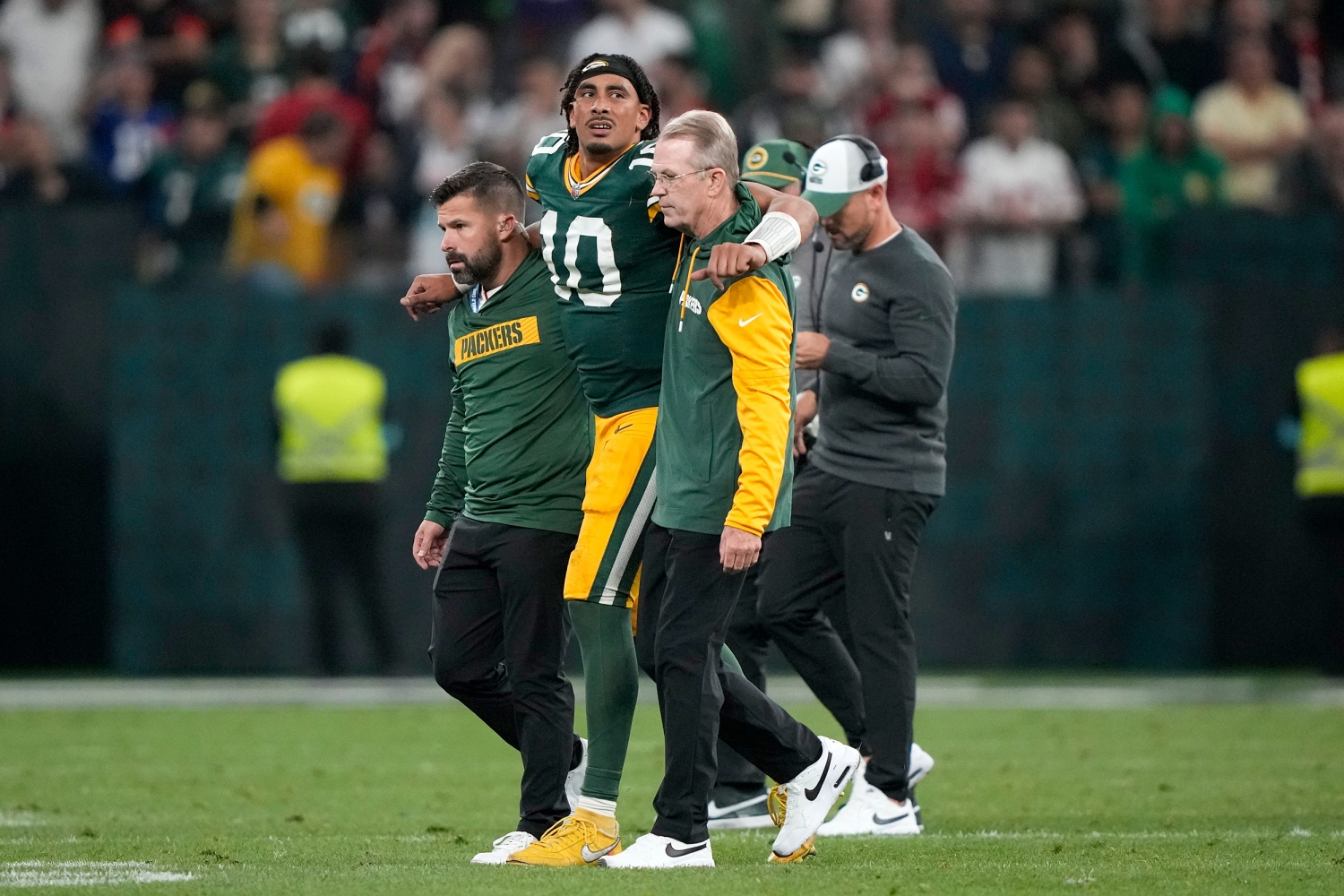
Unlike sudden traumatic injuries, Dončić’s current situation reflects a more familiar challenge for elite basketball players: managing physical load, fatigue, and minor but persistent issues that arise from carrying a heavy workload over long stretches of the season. These types of injuries are rarely dramatic, yet they can be just as disruptive if not handled carefully.
You might also like
Bayern Munich vs Eintracht Frankfurt: Prediction, Preview, lineups
08:04 agoDončić’s game places unique strain on his body. He controls the ball on the majority of offensive possessions, absorbs constant defensive contact, and frequently plays extended minutes. This combination increases stress on the lower body, particularly the legs and core, where stability and balance are essential to his style of play.
When physical discomfort appears, teams face a difficult decision. Continuing to play a star through minor issues may preserve short-term results, but it can also increase the risk of aggravation. In Dončić’s case, medical staff have leaned toward caution, recognising that long-term availability is far more valuable than forcing appearances in isolated games.
Short-term absences for players like Dončić are often strategic rather than alarming. Rest periods allow inflammation to settle, movement patterns to reset, and conditioning to stabilise. While fans may view missed games as setbacks, they are frequently part of a broader load-management plan designed to sustain peak performance later in the season.
Related Article
Why Players Pull Shirts in Football Matches
19:54 agoThe impact of Dončić’s absence is immediately visible when he is not on the floor. Offensive rhythm changes, playmaking responsibilities are redistributed, and the team’s ability to dictate tempo often declines. His vision, shot creation, and ability to manipulate defensive coverage are difficult to replace, even with well-structured systems.
From a tactical standpoint, Dončić’s presence shapes defensive behaviour. Opponents adjust entire game plans to contain him, often committing multiple defenders and opening space elsewhere. When he is unavailable, those dynamics shift, forcing teammates to adapt to different defensive looks and decision-making responsibilities.
The psychological aspect of managing minor injuries is also significant. Elite competitors like Dončić are naturally inclined to play through discomfort, viewing availability as part of leadership. However, modern sports science increasingly emphasises the long-term cost of that mindset, particularly for players expected to perform at an elite level deep into seasons and postseason runs.
Dončić’s age works in his favour. Still early in his prime, his body is capable of responding well to controlled recovery periods. The key lies in preventing cycles of overuse that can transform manageable issues into chronic problems. Teams are now far more proactive in monitoring movement efficiency, fatigue markers, and recovery metrics than in previous eras.
Another factor influencing recovery is playing style. While Dončić does not rely purely on explosive athleticism, his game depends heavily on strength, balance, and timing. Any limitation in these areas can subtly reduce effectiveness, even if box score numbers remain respectable.
For fans, it is important to separate absence from decline. Short-term injury updates do not signal reduced ability or diminishing impact. In many cases, they reflect smarter management of elite talent in an increasingly demanding league environment.
Looking ahead, Dončić’s situation will likely continue to be managed carefully. Selective rest, minute adjustments, and tactical support are all tools used to preserve his availability for the most important moments of the season. The goal is not simply to have him play, but to ensure he plays at a level that matches his status.
Ultimately, Luka Dončić’s injury update is less about concern and more about control. Modern basketball understands that greatness is sustained not by constant exposure, but by intelligent management. If handled correctly, these pauses can serve as protection rather than interruption.
In a league where star availability often defines outcomes, Dončić’s long-term health remains the priority. His talent ensures influence whenever he steps on the court — the challenge is making sure he can keep doing so consistently.

No comments yet. Be the first to share your thoughts!