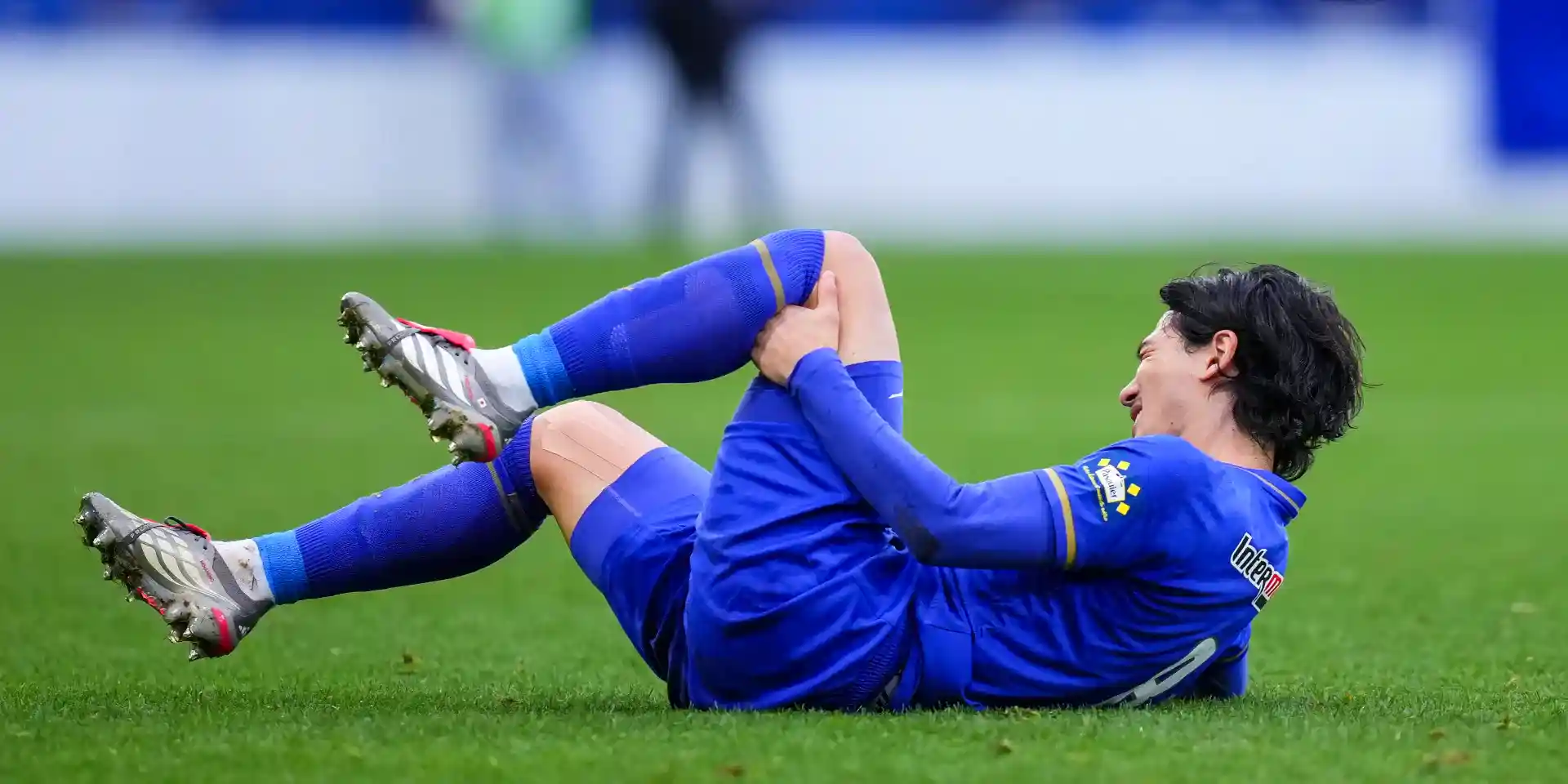
Takumi Minamino Injury Update: ACL Rupture, Recovery Reality and Its Impact on Club and Country
Takumi Minamino’s injury has delivered a major setback to both his club career and Japan’s international plans. The Japanese international, known for his intelligence, versatility, and relentless work rate, suffered a serious knee injury that has halted his momentum and raised long-term concerns about availability rather than talent.
An anterior cruciate ligament injury is among the most feared diagnoses in football, and Minamino’s case is no exception. Unlike short-term muscular problems, an ACL rupture fundamentally challenges an athlete’s physical foundation and demands a long, carefully managed recovery process.
You might also like
Chelsea Hit with More Trouble as Delap Suffers Injury Setback
10:50 agoThe injury occurred during competitive action and was immediately met with concern from medical staff. Further assessments confirmed a rupture to the ACL in his knee, effectively ruling him out for several months. In modern football, such injuries almost always require surgical reconstruction followed by an extended rehabilitation programme that prioritises stability, strength, and confidence.
ACL injuries affect more than just movement. The ligament plays a critical role in controlling rotational stability, which is essential for footballers who constantly twist, turn, and change direction at speed. For a player like Minamino, whose game is built around sharp positioning, quick combinations, and intelligent pressing, the injury represents a serious interruption to his natural rhythm.
The recovery process following ACL surgery is long and structured. Early stages focus on restoring basic knee function and reducing swelling, followed by months of strength training aimed at rebuilding muscle balance around the joint. Only after this foundation is established can football-specific movements be reintroduced. Even then, the final hurdle is psychological — trusting the knee fully during competitive moments.
Related Article

Garber opens door to pro-rel in state of the league address
06:02 agoFor Minamino, the mental challenge may be as significant as the physical one. Players returning from ACL injuries often describe hesitation during high-intensity actions, particularly in situations involving contact or sudden changes of direction. Overcoming that fear is essential for regaining previous performance levels.
At club level, Minamino’s absence forces tactical adjustments. His ability to operate across multiple attacking roles provides flexibility that is difficult to replace. Whether deployed centrally or drifting into wide areas, he offers balance, discipline, and efficiency. Without him, teams lose a player who contributes not only goals and assists but also structure and pressing intelligence.
The timing of the injury compounds its impact. Long-term absences disrupt season planning, affect squad rotation, and place additional physical demands on remaining players. Coaches must adapt systems to compensate for the loss of Minamino’s off-the-ball work, which often goes unnoticed but is vital to team balance.
For Japan’s national team, the implications are equally significant. Minamino has been a consistent presence in international tournaments, valued for his experience and tactical understanding. His injury forces coaching staff to rethink attacking combinations and leadership dynamics, particularly in high-pressure matches where experience often proves decisive.
Japan’s football philosophy places strong emphasis on organisation, collective movement, and intelligent pressing. Minamino embodies these principles, making his absence more disruptive than raw statistics might suggest. Replacing his influence requires more than simply selecting another attacking player.
Modern sports medicine has improved outcomes for ACL recoveries, and many players return to elite levels following surgery. However, timelines vary, and rushing the process increases the risk of re-injury or secondary muscular problems. For Minamino, patience will be critical, even if physical indicators suggest progress.
Age is a factor worth considering. While Minamino is not at the earliest stage of his career, he is still within a window where full recovery is achievable. However, maintaining long-term durability will likely require careful workload management once he returns, particularly during congested fixture periods.
Historically, some players return stronger after ACL injuries due to improved physical conditioning and body awareness developed during rehabilitation. Others struggle to rediscover their sharpness or consistency. The difference often lies in how well the return is managed rather than the surgery itself.
For fans, it is important to temper expectations. Even when Minamino is medically cleared, immediate impact should not be assumed. Match fitness, decision-making speed, and confidence typically lag behind physical readiness. Short substitute appearances and controlled minutes are often necessary before full reintegration.
This injury does not define Takumi Minamino’s career, but it represents a critical challenge. How he navigates the recovery process will influence his role at both club and international level in the coming years. Talent and professionalism are not in question; durability and timing are.
Ultimately, Minamino’s injury update highlights the unforgiving nature of elite football. Success at the highest level demands not only skill and intelligence, but resilience in the face of long setbacks. If managed correctly, this period can become a foundation rather than a setback.

No comments yet. Be the first to share your thoughts!