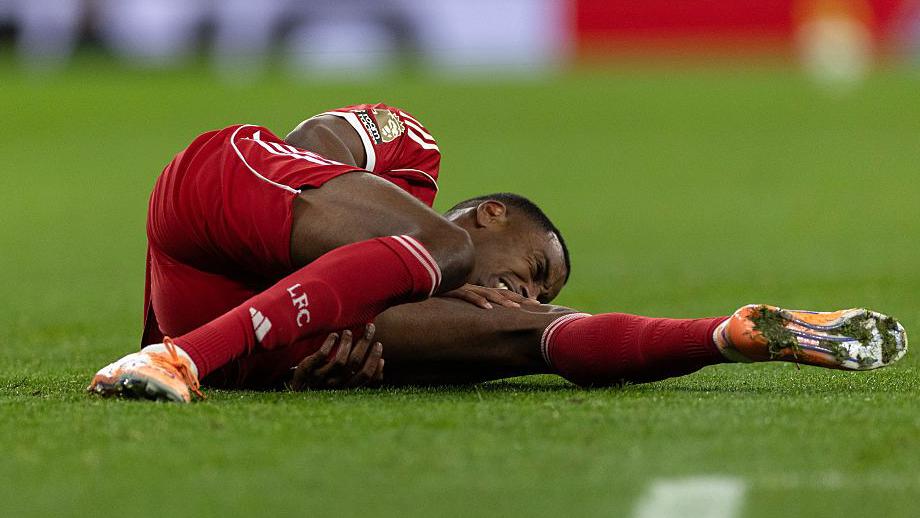
Alexander Isak Injury Update: What the Broken Leg Means for His Season and Career
Alexander Isak’s injury has sent shockwaves through his club and raised serious concerns about the immediate future of one of Europe’s most complete modern strikers. The Swedish forward, who has grown into a key attacking figure through a blend of pace, intelligence, and technical quality, suffered a broken leg that has abruptly halted his momentum at a crucial stage of the season.
While football injuries are part of the game, fractures carry a different weight. They demand patience, precise medical care, and a carefully structured return process. For Isak, this injury represents not just a temporary absence, but a significant physical and mental challenge.
You might also like

Borussia Dortmund vs. Atalanta: Prediction, Preview, lineups
15:46 agoThe incident occurred during a competitive match in which Isak had already made an impact before being forced off. Medical examinations later confirmed a fracture to the lower leg, immediately ruling him out of action for an extended period. Unlike muscular injuries, where recovery timelines can fluctuate, bone fractures require strict healing phases that cannot be rushed.
The first stage of recovery focuses entirely on bone healing. During this period, the body rebuilds structural strength around the fracture site. Any premature stress can delay healing or cause complications, which is why players are often immobilised or limited in movement early on. For Isak, this means weeks away from training, followed by gradual reintroduction to weight-bearing activities.
Once the fracture stabilises, rehabilitation shifts toward restoring muscle strength, balance, and coordination. This phase is particularly important for attackers, whose game relies on explosive movement, acceleration, and sharp directional changes. Even minor imbalances can affect sprint mechanics or increase the risk of secondary injuries after return.
Related Article

Single picks vs Accumulators: Which Investment Strategy Works Best?
05:49 agoIsak’s playing style makes this recovery especially demanding. He thrives on attacking space, pressing defenders, and making aggressive forward runs. These actions place repeated stress on the lower limbs, meaning his return must be carefully managed to ensure the leg can withstand match intensity.
At club level, Isak’s absence creates a clear tactical void. He is not simply a goal scorer, but a forward who links play, stretches defensive lines, and creates space for teammates. His ability to combine physical presence with technical finesse gives coaches flexibility in attacking setups. Without him, teams often become more predictable, relying on alternative profiles that may not offer the same balance.
The timing of the injury also complicates squad planning. A prolonged absence forces coaching staff to reconsider rotations, adjust pressing structures, and potentially overload other attacking players. Over a long season, this can have cumulative effects on performance and fitness across the squad.
From a psychological standpoint, long-term injuries test players in ways short layoffs do not. Isak must maintain motivation during weeks away from competition, trusting the recovery process while watching matches from the sidelines. Confidence in the injured limb becomes a central issue, particularly for players who depend on speed and sharp movement.
For the Swedish national team, Isak’s injury raises concerns beyond club football. As a central figure in Sweden’s attacking plans, his availability is crucial for competitive fixtures and tournament preparation. International football allows limited time for reintegration, making fitness timing even more critical.
One positive factor in Isak’s favour is his age. Younger players generally recover more effectively from fractures, provided rehabilitation is handled properly. Modern sports medicine offers advanced monitoring techniques that help track bone density, load tolerance, and muscular balance throughout the recovery process.
However, returning to full match rhythm often takes longer than medical clearance suggests. Match sharpness, timing, and confidence usually lag behind physical readiness. Clubs frequently manage minutes carefully at first, easing players back through controlled appearances rather than immediate full matches.
Historically, many attackers have returned strongly from similar injuries, but success depends heavily on patience and discipline. Rushing back increases the risk of stress fractures or compensatory injuries elsewhere in the body. For Isak, the priority will be long-term durability rather than short-term availability.
This injury also arrives at a moment when Isak was establishing himself as a consistent elite-level striker. Interruptions at this stage can slow momentum, but they do not define careers. How he responds physically and mentally will play a significant role in shaping the next phase of his development.
For fans, perspective is important. A broken leg is a serious setback, but not a career-ending one. With proper medical care, structured rehabilitation, and intelligent load management, Isak has every chance to return at a high level.
Ultimately, Alexander Isak’s injury update highlights the fine margins at elite football’s highest level. Talent opens doors, but resilience determines longevity. The coming months will test Isak’s patience and professionalism, but they may also strengthen the foundations of his career in the long run.







No comments yet. Be the first to share your thoughts!