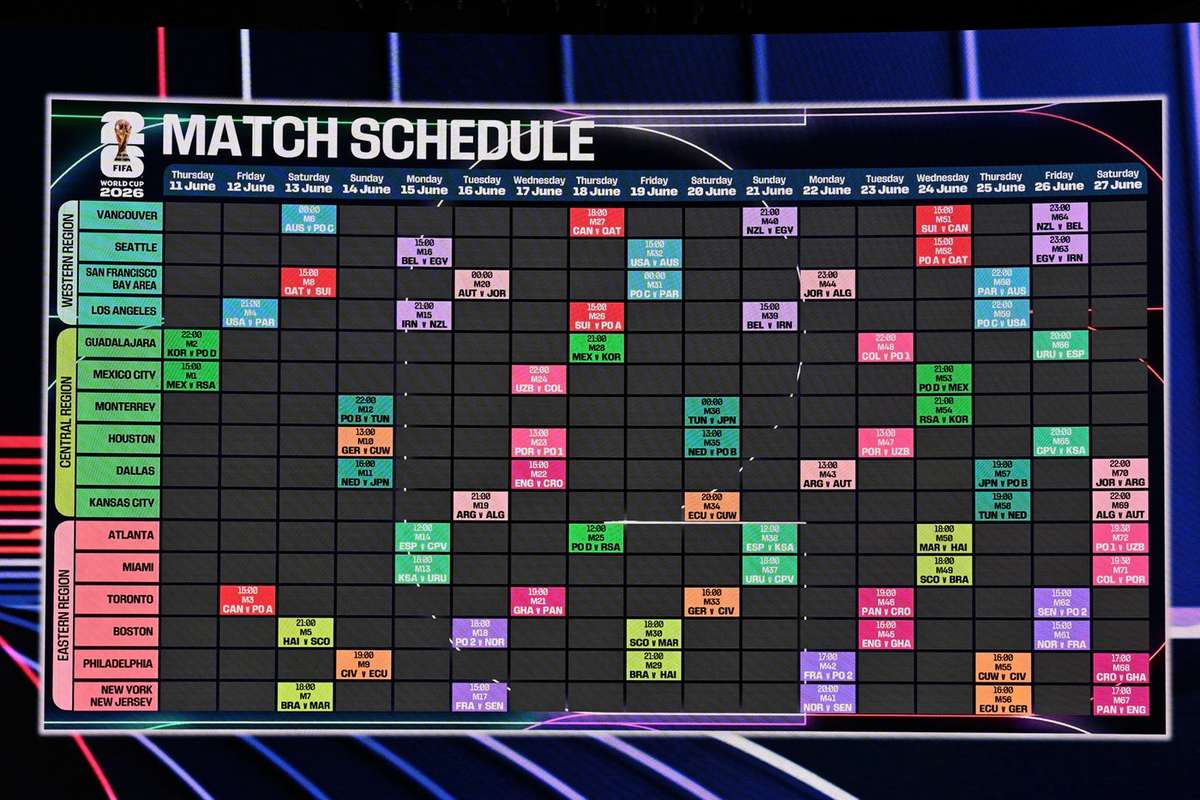
World Cup 2026 Match Schedule Explained
As the World Cup 2026 approaches, one of the most common questions fans ask is: how does the World Cup 2026 match schedule work? With more teams, more matches, and multiple host locations, understanding the schedule is essential to following the tournament properly.
This article breaks it down in simple terms.
You might also like

Why Matches Get Abandoned or Suspended in Football
19:31 agoThe expanded tournament changes everything.
- More teams means more matches
- Longer tournament duration
- More rest and travel considerations
Related Article

Fenerbahçe 0–1 Aston Villa – Match Review
04:24 agoThe schedule is designed to balance fairness and logistics.
How Group-Stage Matches Are ScheduledThe group stage forms the foundation.
- Each team plays multiple group matches
- Matches are spread over several days
- Rest periods are built in
This prevents extreme fatigue early in the tournament.
Why Kickoff Times VaryKickoff times differ due to:
- Time zones across host countries
- Global broadcast requirements
- Weather and climate considerations
This allows worldwide audiences to follow matches live.
How Rest Days Are AllocatedRest is a critical scheduling factor.
- Teams are given recovery days between matches
- Squad rotation becomes important
- Injury prevention is prioritised
Teams that manage recovery well gain a competitive edge.
What Happens After the Group StageOnce the group stage ends:
- Qualified teams move to knockout rounds
- Match frequency increases
- Pressure rises sharply
There is no room for mistakes at this stage.
Why Knockout Matches Are Spaced CarefullyKnockout scheduling is deliberate.
- Recovery time is essential
- Travel between venues must be managed
- Fair preparation is prioritised
Small scheduling advantages can decide outcomes.
Why Final Rounds Have Fixed Time SlotsLater stages follow stricter timing.
- Global viewership peaks
- Broadcast planning is precise
- Fan engagement is maximised
The biggest matches are placed in premium windows.
How Weather Influences SchedulingClimate plays a role.
- Heat can affect kickoff times
- Extreme conditions are avoided where possible
- Player safety is considered
This helps maintain match quality.
Why Some Teams Travel More Than OthersTravel depends on group placement.
- Some groups are geographically spread
- Others remain regionally concentrated
- Logistics vary by draw
Efficient travel planning becomes crucial.
How Scheduling Affects Match PredictionsSchedule awareness matters.
- Short rest can impact performance
- Long travel reduces freshness
- Early kickoffs change tempo
Timing is often as important as form.
Why Fans Track the Schedule CloselyThe schedule shapes the tournament narrative.
- Big matchdays build anticipation
- Rest advantages become talking points
- Late-stage drama intensifies
Understanding the schedule enhances the experience.
How This Helps Fans Follow the World Cup 2026Knowing how the schedule works helps fans:
- Plan viewing times
- Understand team fatigue
- Read match importance correctly
Context makes every fixture clearer.
Final ThoughtsThe World Cup 2026 schedule is carefully structured to manage scale, fairness, and global viewership. With more matches and more variables, timing becomes a hidden factor in success.
In international football, when a match is played can matter as much as how it is played.







No comments yet. Be the first to share your thoughts!