
World Cup 2026 Format Explained: How the New Structure Works
The World Cup 2026 introduces one of the biggest structural changes in tournament history. With more teams, more matches, and a redesigned pathway to the final, many fans are asking a key question: how exactly does the World Cup 2026 format work?
This guide explains the new structure clearly and simply.
You might also like
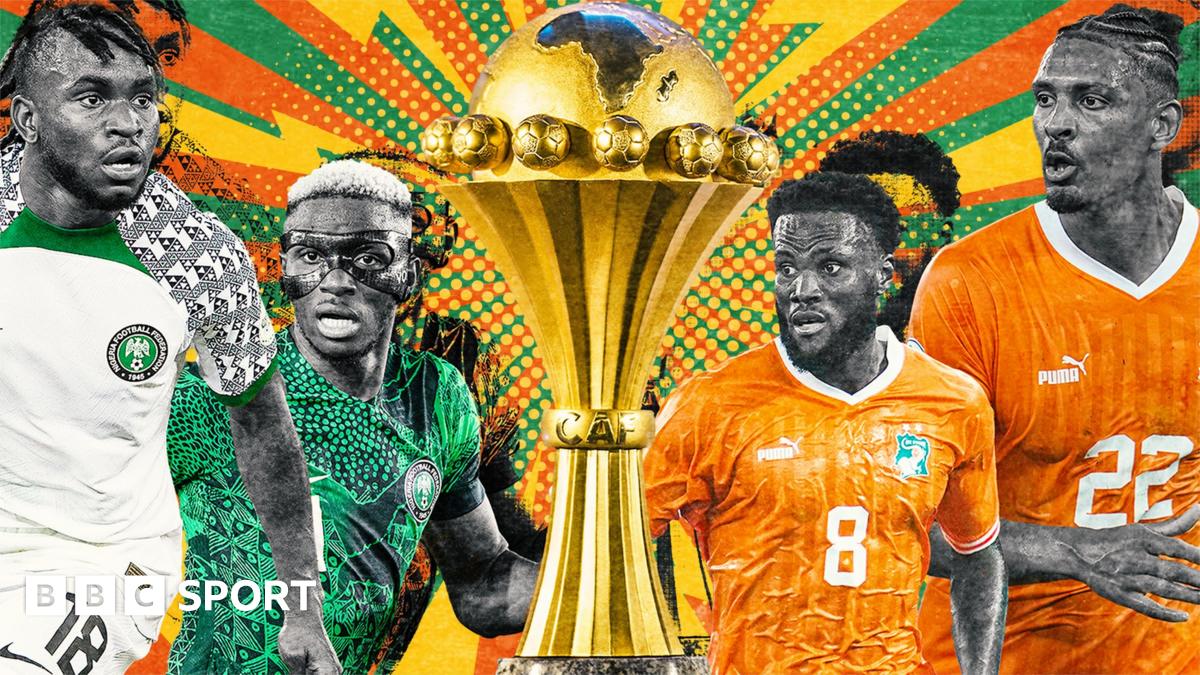
Why AFCON Favourites Rarely Win Matches Comfortably
06:48 agoThe tournament expanded to reflect football’s global growth.
- More nations competing at a high level
- Greater global representation
- Increased competitive balance
Related Article

Messi vs Ronaldo: Who Is the Greatest Footballer of All Time?
17:10 agoThe aim is inclusion without sacrificing quality.
How Many Teams Are in the World Cup 2026?The World Cup 2026 features a significantly larger field.
- More national teams than previous editions
- Expanded qualification across continents
- Increased diversity of playing styles
This makes the tournament more global than ever.
How the Group Stage WorksThe group stage remains the foundation of the tournament.
- Teams are placed into groups
- Each team plays multiple group matches
- Points determine group standings
Consistency across group games is crucial.
How Teams Advance From the Group StageQualification from the group stage is based on results.
- Wins and draws earn points
- Goal difference is a key tiebreaker
- Discipline and head-to-head results may apply
Every goal can influence advancement.
What Happens After the Group StageOnce groups are completed:
- Qualified teams move into knockout rounds
- Matches become single-elimination
- Extra time and penalties decide tied games
From this point, there are no second chances.
Why the Knockout Rounds Are More IntenseThe expanded format increases pressure.
- More teams mean tighter margins
- Rotation becomes harder
- Mental strength is tested constantly
Survival becomes the primary objective.
How the New Format Affects TacticsCoaches must adapt to the structure.
- Squad depth becomes vital
- Game management is more important
- Risk is calculated carefully
Tactical flexibility often separates contenders from outsiders.
Why Group-Stage Mistakes Are CostlyEarly errors carry weight.
- Recovery matches are limited
- Goal difference matters more
- Momentum shifts quickly
Strong starts are rewarded in the new format.
How Scheduling Impacts the TournamentMatch scheduling plays a major role.
- Short recovery windows test fitness
- Rotation decisions become critical
- Travel and climate affect preparation
Teams that manage energy well gain an edge.
Why the World Cup 2026 Format Increases UpsetsThe new structure opens doors for surprises.
- More teams face elite opponents
- One good performance can change everything
- Pressure affects favourites
Upsets are more likely in knockout football.
How Fans Benefit From the New FormatThe expanded format offers:
- More matches to watch
- Greater national representation
- More unpredictable outcomes
This increases global engagement.
How This Helps Fans Understand World Cup MatchesKnowing the format helps fans:
- Judge match importance correctly
- Understand team motivation
- Follow qualification scenarios
Structure gives meaning to every result.
Final ThoughtsThe World Cup 2026 format is designed to expand opportunity while preserving competitive tension. With more teams, higher stakes, and fewer margins for error, the tournament promises drama from the opening match to the final.
In the World Cup, structure shapes destiny as much as talent does.




No comments yet. Be the first to share your thoughts!