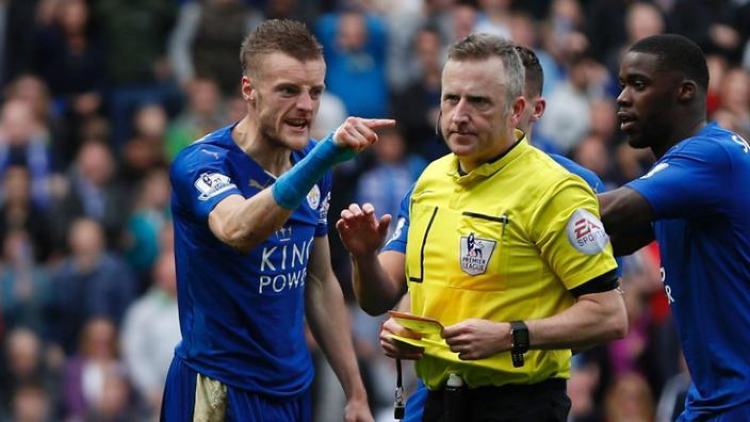
One of the most common frustrations among football fans is seeing players collide, fall, or grab each other — yet the referee waves play on. To many viewers, it feels inconsistent or unfair. In reality, referees do not give fouls for every contact because football is a physical sport governed by context, impact, and advantage, not by contact alone.
You might also like

The Kelly Criterion: Mathematical Approach to pick Sizing
02:35 agoUnderstanding this principle explains countless “why wasn’t that a foul?” moments.
Football Is a Contact Sport, Not a Non-Contact GameDespite strict rules, football allows physical contact.
Related Article

Portugal win FIFA Under-17 World Cup for 1st time
07:30 ago- Shoulder-to-shoulder challenges are legal
- Body positioning is allowed
- Players are expected to withstand reasonable contact
If every touch were penalised, the game would be unplayable.
Contact Alone Is Not a FoulFor a foul to be awarded, the referee looks for:
- Careless contact
- Reckless challenges
- Excessive force
If contact occurs without unfairness or danger, play continues.
Referees Judge Impact, Not Just TouchLight contact that does not affect balance or movement is often ignored.
Referees assess:
- Did the contact change the attacker’s path?
- Did it remove control of the ball?
- Did it prevent a fair challenge?
If the answer is no, no foul is given.
Why Some Strong Challenges Are LegalA firm challenge can still be fair.
- Timing matters more than force
- Playing the ball first is key
- Balance and body shape are considered
A well-timed tackle with contact is often completely legal.
Advantage Plays a Major RoleReferees may ignore contact to protect attacking flow.
- Stopping play can kill attacks
- Continuing play may benefit the fouled team
- Referees can return to the foul later
This makes it seem like the foul was ignored when it was actually managed.
Why Referees Allow More Physical Play in MidfieldMidfield zones are more congested.
- Players expect contact
- Possession changes frequently
- Minimal contact rarely creates danger
Referees tolerate more physicality here than near goal.
Why Contact Near the Box Is Judged More StrictlyNear goal, consequences are bigger.
- Small fouls can lead to penalties
- Goal-scoring chances are affected
- Referees apply tighter thresholds
This is why similar contact is punished differently in different areas.
Why Not Every Shirt Pull Is PenalisedMinor shirt contact happens constantly.
- Brief tugs without impact may be ignored
- Repeated or extended pulls are punished
- Impact on movement is decisive
Referees look for influence, not appearance.
Why Players Going Down Does Not Guarantee a FoulFalling is not proof of being fouled.
- Balance can be lost naturally
- Players may exaggerate contact
- Referees judge cause, not result
A fall without illegal contact is play-on.
VAR Has Not Changed This PrincipleVAR reviews clear errors, not normal contact.
- VAR does not re-referee physical duels
- Most contact decisions remain subjective
- Thresholds still apply
This is why many contact decisions are never reviewed.
Why Fans See InconsistencyInconsistency is often situational.
- Different angles change perception
- Speed hides subtle detail
- Context varies every time
Similar contact can lead to different outcomes depending on impact.
Why Referees Allow the Game to FlowReferees are instructed to protect flow.
- Too many whistles disrupt rhythm
- Players adapt to physicality
- Football thrives on continuity
Letting minor contact go keeps the match alive.
Why Players Adapt to Referee TolerancePlayers quickly read the referee.
- They test physical limits early
- They adjust aggression levels
- They exploit allowed contact
This is why matches develop different “feels”.
How This Helps You Watch Matches BetterUnderstanding this helps fans:
- Recognise fair physical play
- Avoid frustration over soft contact
- Read referee decisions more clearly
Not every touch is meant to stop the game.
Final ThoughtsReferees don’t give fouls for every contact because football is built on balance — between fairness and flow, safety and physicality. Contact becomes a foul only when it is careless, unfair, or impactful.
In football, the game is not decided by contact itself, but by what that contact changes.



No comments yet. Be the first to share your thoughts!