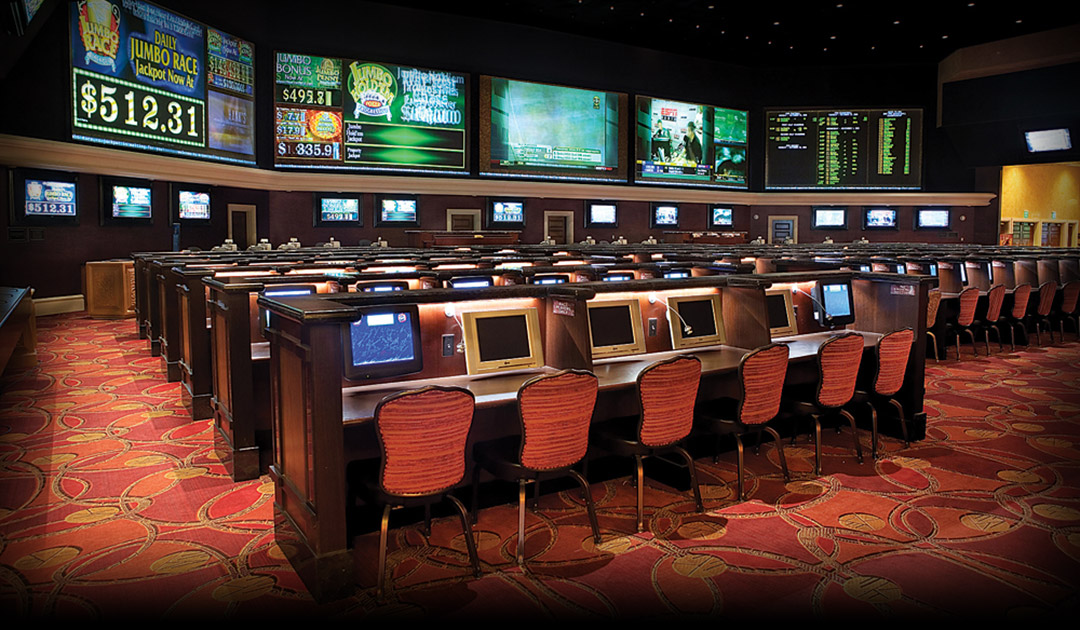
Why Live Betting Destroys Most Bettors: The Illusion of Control and Instant Decisions
Live betting is one of the fastest-growing segments in football betting. Odds update every minute, momentum shifts feel obvious, and bettors believe they can “read the game” better than pre-match markets. Yet despite its popularity, live betting is responsible for some of the biggest and fastest losses bettors experience.
The problem is not live betting itself — it is how human psychology reacts to speed, pressure, and incomplete information.
You might also like

Bankroll Management Explained Simply: The One Skill That Keeps Bettors Alive
15:26 ago
The Illusion of Control
Live betting creates the feeling that you are closer to the action and therefore more informed. Seeing missed chances, possession dominance, or attacking pressure makes bettors feel they have an edge.
In reality, bookmakers are watching the same game with better models, faster updates, and built-in margins. What feels like control is often just emotional reaction.
Related Article
Why Basketball Teams Foul Late in Games
14:33 ago
Momentum Is Not Probability
A common live betting trap is confusing momentum with likelihood. A team attacking heavily does not guarantee a goal. Football regularly punishes dominance with counterattacks, defensive blocks, or wasted chances.
Markets adjust instantly to pressure. By the time a bettor reacts, the value is usually gone.
Emotional Speed Kills Discipline
Live betting removes thinking time. Decisions are made in seconds, often influenced by excitement, frustration, or fear of missing out.
This speed destroys discipline. Bettors abandon staking rules, place multiple bets in one match, and escalate risk without realizing it.
Live betting rewards calm analysis, but most people experience emotional overload instead.
Chasing During the Match
One lost live bet often leads to another. Bettors try to “fix” mistakes within the same match, compounding losses quickly.
This spiral happens because the match is still live, creating the false belief that recovery is easy and immediate.
In reality, each new bet is independent — and often worse than the last.
Why Bookmakers Love Live Betting
Live betting generates high volume and rapid turnover. Odds include larger margins, and mistakes multiply quickly.
Bookmakers do not rely on bettors being wrong — they rely on bettors being impulsive.
Speed benefits the house, not the player.
When Live Betting Can Make Sense
Live betting is not always bad. It can be effective when used selectively and strategically.
Situations like early red cards, tactical mismatches, visible injuries, or clear tempo shifts can create opportunity — but only if the bettor is patient and prepared.
Live betting should be planned, not reactive.
Rules Smart Bettors Use for Live Betting
Successful bettors set strict limits: one live bet per match, fixed stakes, and no chasing within the same game.
They wait for markets to overreact, not for excitement to peak.
Discipline turns live betting from chaos into calculation.
Pre-Match Thinking Still Wins
The best live bets often come from pre-match analysis. Understanding how a game is likely to unfold allows bettors to anticipate rather than react.
Those who enter live betting without a plan are gambling, not betting.
The Real Danger of Live Betting
Live betting feels harmless because losses are small and frequent. Over time, these small losses quietly destroy bankrolls.
It is not dramatic failure — it is slow erosion.
Final Advice for Bettors
Live betting is a tool, not a playground. Used sparingly and strategically, it can complement a betting strategy.
Used emotionally and impulsively, it becomes the fastest way to lose discipline, money, and confidence.
If you cannot walk away during a live match, you should not be live betting at all.
In football betting, speed is temptation — patience is protection.



No comments yet. Be the first to share your thoughts!