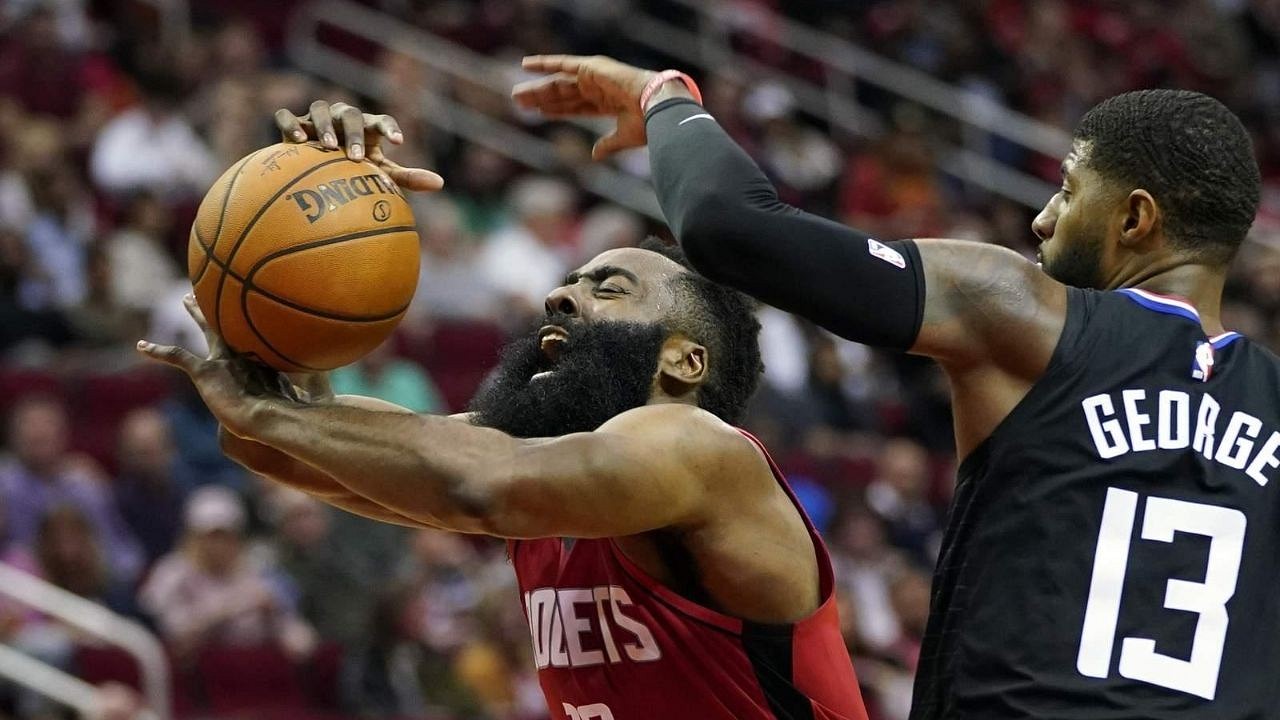
To many fans, it looks strange: a team that is already behind intentionally commits fouls in the final minutes of a basketball game. Instead of defending normally, players reach in, grab opponents, or stop fast breaks on purpose.
This is not panic or poor discipline. It is a deliberate and calculated strategy rooted in clock control, probability, and game management. Late fouling is one of the most misunderstood but important tactics in basketball.You might also like
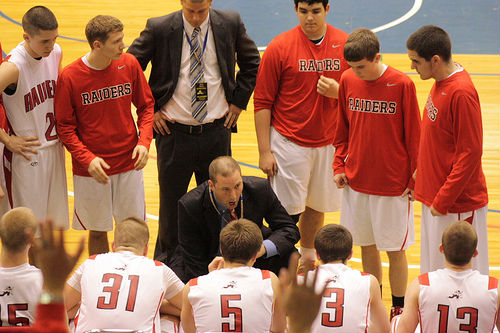
Why Coaches Call Timeouts Late in Basketball Games
14:32 agoFouling late refers to intentionally committing fouls in the closing minutes of a game, usually when a team is trailing.
This strategy is used to:
Related Article

League Position and Motivation: Understanding Team Psychology
11:23 ago- Stop the game clock
- Force free throws instead of open play
- Create extra possessions
In basketball, time is often more valuable than points.
Stopping the Clock Is the Main GoalThe most important reason teams foul late is to stop the clock.
When a team is behind:
- Allowing the clock to run reduces comeback chances
- Every second becomes critical
Fouling immediately:
- Stops time
- Forces the opponent to shoot free throws
- Preserves seconds for offensive possessions
Without fouling, a team can lose simply by letting time expire.
Why Teams Prefer Free Throws Over Live PlayLive play is unpredictable. Free throws are controlled.
By fouling, teams force opponents into:
- Stationary shots
- High-pressure situations
- Repeatable outcomes
Even good free-throw shooters miss under pressure. Missed free throws create opportunities for rebounds and fast counter scores.
The Math Behind Late FoulingLate fouling is driven by probability.
Coaches consider:
- Opponent free-throw percentage
- Time remaining
- Point difference
For example:
- A 75% free-throw shooter misses 1 out of 4 attempts
- Those misses can quickly swing momentum
Even small probabilities become meaningful when the alternative is projected defeat.
Why Teams Don’t Foul Too EarlyFouling late is strategic — fouling early is reckless.
If a team fouls too soon:
- They put the opponent into bonus situations
- They risk foul trouble for key players
- They lose defensive flexibility
Timing matters. Coaches usually wait until the final minutes when possessions are limited and urgency is highest.
The Role of the Bonus and Free Throw RulesLeague rules influence late fouling behaviour.
In many competitions:
- Teams enter the bonus after a set number of fouls
- Bonus means free throws instead of side inbounds
Once in the bonus:
- Every foul stops the clock
- Every foul creates scoring pressure
This structure makes intentional fouling effective late in games.
Targeting Poor Free-Throw ShootersNot all players are fouled equally.
Teams often:
- Identify weak free-throw shooters
- Foul them deliberately
- Force the ball into their hands
This tactic increases the chance of missed shots and rebounds.
It is controversial, but fully legal within the rules.
Why Fouling Creates More PossessionsIn basketball, more possessions equal more chances to score.
Late fouling:
- Prevents long offensive possessions by the opponent
- Creates repeated stop-start scenarios
- Maximises shot opportunities
Without fouling, a trailing team may only get one or two more possessions before time runs out.
Why Fans Often Hate This StrategyMany fans dislike late fouling because:
- It slows the game
- It disrupts flow
- It creates long stoppages
However, coaches prioritise winning over entertainment. From a strategic perspective, late fouling is often the best option available.
When Late Fouling BackfiresLate fouling does not always work.
It can fail when:
- Opponents make all free throws
- The trailing team misses shots
- Rebounds are not secured
Even so, the strategy is used because it increases comeback probability compared to doing nothing.
Why Some Teams Stop Fouling LateCoaches may abandon fouling if:
- The score gap becomes too large
- Time remaining is insufficient
- Key players are close to fouling out
At that point, the cost outweighs the benefit.
How This Helps You Understand Live Basketball GamesKnowing why teams foul late helps fans understand:
- Clock management decisions
- Why games suddenly slow down
- Why likely players are targeted
Late fouling is not desperation — it is calculated risk management. Coaches trade flow for probability, hoping that missed free throws and extra possessions will open the door for a comeback.
Basketball is a game of time, numbers, and decisions under pressure. Late fouling exists because, mathematically, it often offers the only realistic chance to win.




No comments yet. Be the first to share your thoughts!