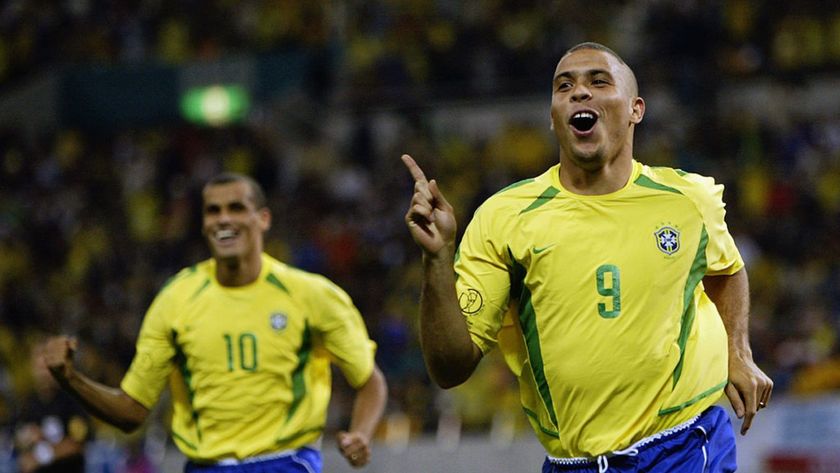
World Cup winners are remembered forever, but only a few teams redefine what international football can look like. Spain 2010 and Brazil 2002 stand as two radically different yet equally iconic champions. One conquered the world through patience, control, and tactical intelligence. The other dazzled through flair, speed, and overwhelming attacking talent. Both lifted the trophy, but the question remains — which team was truly more dominant?
This debate is not about nostalgia or emotion. It is about how dominance is expressed at the highest level of international football, where preparation time is limited and pressure is absolute.
You might also like
Which Players Are Expected to Shine at the World Cup 2026?
04:01 agoSpain 2010: Absolute Control Through Possession
Spain’s World Cup triumph in 2010 represented the peak of possession-based football at international level. This team did not rely on physical superiority or moments of chaos. Instead, they imposed calm authority, controlling matches through ball retention, positioning, and collective intelligence.
Spain’s dominance was subtle but relentless. Opponents were denied the ball for long stretches, forced to chase endlessly without reward. Matches were slowed to Spain’s rhythm, draining belief and energy from even the most disciplined sides.
Related Article
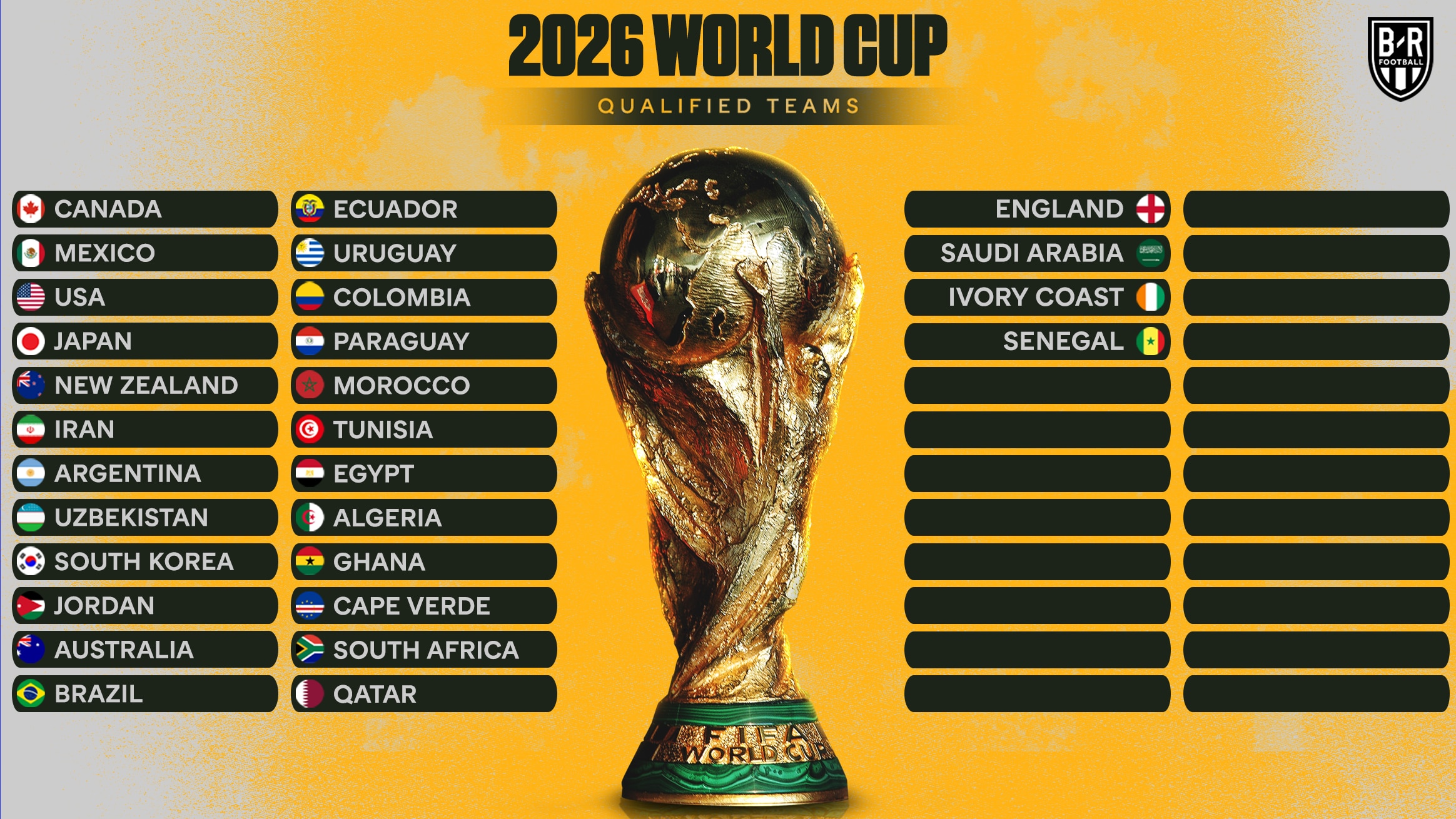
Why European Teams Often Struggle Against Non-European Opponents at World Cups
04:17 agoDefensively, Spain were nearly impenetrable. Their structure, combined with immediate pressure after losing possession, ensured opponents created very few chances. Control was their greatest defensive weapon.
While their matches were often decided by narrow margins, the sense of inevitability was unmistakable. Spain rarely looked vulnerable, even when games remained close on the scoreboard.
Brazil 2002: Attacking Brilliance and Freedom
Brazil’s 2002 World Cup victory showcased football at its most expressive. This team thrived on creativity, speed, and individual genius. They attacked with confidence and fearlessness, overwhelming opponents with skill and flair.
Brazil’s dominance was more visible and immediate. Goals came in waves, often through moments of brilliance that no tactical plan could contain. Their attacking play felt spontaneous yet devastatingly effective.
Unlike Spain, Brazil were comfortable allowing opponents some possession. They trusted their defensive resilience and counterattacking ability, knowing that once space appeared, they could strike decisively.
This freedom made Brazil unpredictable and thrilling. Opponents knew that even playing well could end in defeat through a single burst of brilliance.
Control vs Expression
The core difference between Spain 2010 and Brazil 2002 lies in philosophy. Spain believed control was the safest path to victory. Brazil believed freedom was the most powerful weapon.
Spain minimized risk by eliminating chaos. Brazil embraced chaos and mastered it. One sought to dominate possession; the other sought to dominate moments.
This contrast defines how fans interpret dominance. Some see Spain’s calm suffocation as superiority. Others see Brazil’s explosive brilliance as true greatness.
Big Matches and Authority
Spain’s knockout victories were defined by patience. They absorbed pressure, waited for openings, and struck when opponents tired. Their calm under pressure reflected supreme confidence in their system.
Brazil’s knockout performances were assertive and fearless. They did not wait — they attacked. Their confidence never wavered, even against elite opposition.
Spain controlled finals. Brazil owned them.
Psychological Impact
Facing Spain meant accepting a lack of control. Opponents often entered matches knowing they would spend most of the game defending and chasing.
Facing Brazil meant fear of collapse. A single mistake could lead to immediate punishment. Their attacking threat created constant anxiety.
Spain frustrated opponents into resignation. Brazil terrified them into errors.
Tactical Influence on International Football
Spain’s success influenced international football profoundly. Nations attempted to replicate possession-based systems, emphasizing midfield control and tactical discipline.
Brazil’s success reinforced belief in attacking freedom and individual expression. It reminded the world that creativity remains a decisive force at the highest level.
One inspired structure. The other inspired imagination.
Longevity and Legacy
Spain’s 2010 triumph was part of a sustained era of dominance. Their philosophy produced repeated success and shaped a generation.
Brazil’s 2002 triumph stands as the last great expression of traditional Brazilian attacking football on the world stage.
Spain represented evolution. Brazil represented tradition perfected.
The Final Verdict
If dominance is defined by control, defensive security, and tactical certainty, Spain 2010 stands among the most dominant international teams ever assembled.
If dominance is defined by attacking power, creativity, and emotional impact, Brazil 2002 remains unmatched.
Ultimately, Spain conquered football through intelligence, while Brazil conquered it through brilliance. Both paths led to greatness, and football history is richer for having witnessed both.






No comments yet. Be the first to share your thoughts!