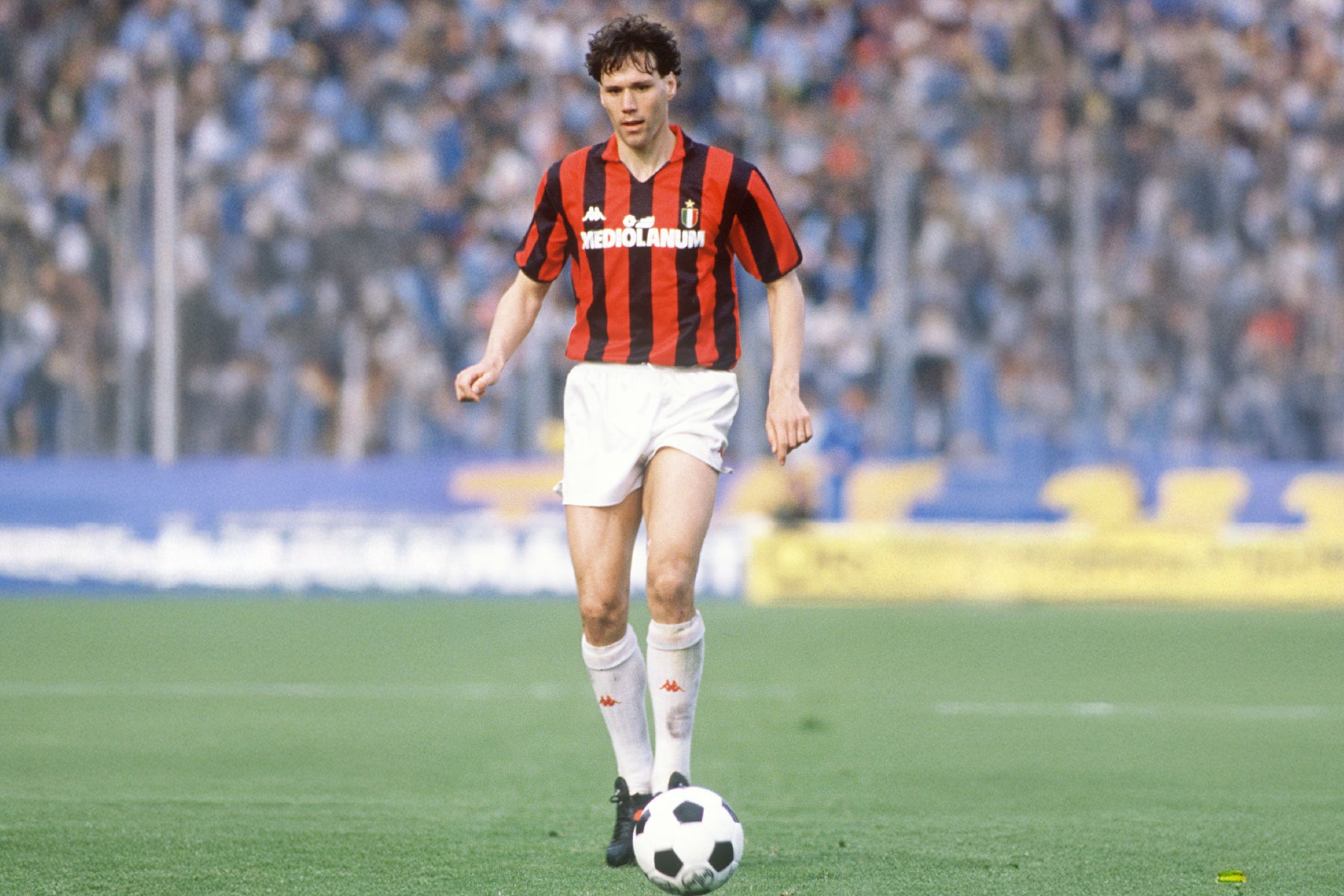
Some teams dominate their era, while others redefine football itself. AC Milan 1988/89 and Ajax 1995 belong to the latter category. These two sides did not merely win trophies; they reshaped how the game was played, coached, and understood. Though separated by time and philosophy, both teams stand as cornerstones of modern football history.
The debate is not simply about which team was better, but which imposed a more complete and lasting form of dominance. One relied on discipline, structure, and controlled aggression. The other thrived on youth, fluidity, and fearless expression. Together, they represent football’s transition from rigid systems to dynamic intelligence.
You might also like

Atlético Target Barco as Chelsea Competition Looms, but Major Obstacle Emerges
10:47 agoAC Milan 1988/89: Total Control Through Discipline
AC Milan’s dominance during the late 1980s was built on organization, precision, and collective understanding. This team functioned like a perfectly synchronized machine. Every movement was rehearsed, every press coordinated, and every defensive line held with unwavering discipline.
What made Milan terrifying was their defensive mastery. Opponents found space suffocatingly limited. Attacks were neutralized before they developed, forcing mistakes rather than reacting to them. This defensive solidity did not stifle creativity; instead, it created a foundation for devastating efficiency.
Related Article

Brennan Johnson Seals High-Profile January Transfer as Crystal Palace Win Race for Attacking Star
02:22 agoIn possession, Milan were composed and intelligent. They did not rush attacks or rely on chaos. Their dominance came from control — controlling space, tempo, and opposition psychology. Matches often felt decided long before the final whistle, as opponents slowly lost belief.
Milan’s physical strength complemented their tactical intelligence. They were powerful without being reckless, aggressive without losing shape. This balance made them nearly impossible to break down.
Ajax 1995: Youth, Freedom, and Collective Brilliance
Ajax 1995 represented football’s future. Built around youth, intelligence, and fearless expression, this team played with fluidity that stunned Europe. Positions were interchangeable, movement was constant, and the ball moved faster than defenders could react.
What set Ajax apart was courage. They did not adapt to opponents — they imposed themselves regardless of age, experience, or reputation. Young players played with confidence, trusting the system and each other completely.
Ajax dominated through rhythm and speed. Their passing was quick, purposeful, and relentless. Opponents struggled to press effectively, as the ball flowed effortlessly through multiple angles.
Unlike Milan’s controlled dominance, Ajax’s dominance felt liberating. They overwhelmed opponents not through force, but through understanding and movement.
Structure vs Fluidity
The fundamental contrast between these teams lies in structure. AC Milan represented football as discipline. Every player knew their role, and deviation was rare. This produced stability and consistency.
Ajax represented football as intelligence in motion. Roles existed, but flexibility was encouraged. Players rotated seamlessly, exploiting space through awareness rather than instruction.
Milan prevented chaos. Ajax embraced it — but controlled it.
Psychological Dominance
Facing AC Milan meant facing inevitability. Teams knew that breaking through was unlikely, and mistakes would be punished ruthlessly. The psychological pressure built gradually until resistance faded.
Facing Ajax was mentally exhausting. The speed of play, constant movement, and technical confidence forced opponents into hesitation. Doubt crept in as passing lanes vanished.
Milan drained belief through denial. Ajax drained belief through overload.
Big Matches and Authority
In major matches, AC Milan imposed authority through composure. They controlled finals with confidence, limiting risk and maximizing efficiency. Victory felt clinical and inevitable.
Ajax approached big matches with fearlessness. They did not slow down or retreat under pressure. Instead, they trusted their identity, often overwhelming more experienced opponents with courage and cohesion.
Milan mastered finals. Ajax conquered stages.
Tactical Influence on Football
AC Milan’s influence reshaped defensive organization. Their emphasis on structure, pressing coordination, and positional discipline became a foundation for elite defensive systems.
Ajax’s influence reshaped development. Their model proved that youth, intelligence, and trust in philosophy could conquer experience and financial power.
Modern football draws from both — Milan’s discipline and Ajax’s fluidity — blending them into the hybrid systems seen today.
Longevity vs Revolution
Milan’s dominance was sustained and repeatable. Their approach produced long-term success built on control and experience.
Ajax’s dominance was revolutionary but fleeting. Their brilliance burned intensely, leaving a lasting imprint even as the team inevitably broke apart.
One represented sustained excellence. The other represented transformative brilliance.
The Final Verdict
If dominance is defined by control, discipline, and suffocating authority, AC Milan 1988/89 stands as one of football’s most complete teams.
If dominance is defined by innovation, fearlessness, and shaping the future of the game, Ajax 1995 holds unmatched significance.
Ultimately, AC Milan mastered football as it was, while Ajax defined football as it would become. Both teams occupy sacred ground in football history — one as the ultimate expression of control, the other as the purest expression of freedom.








No comments yet. Be the first to share your thoughts!