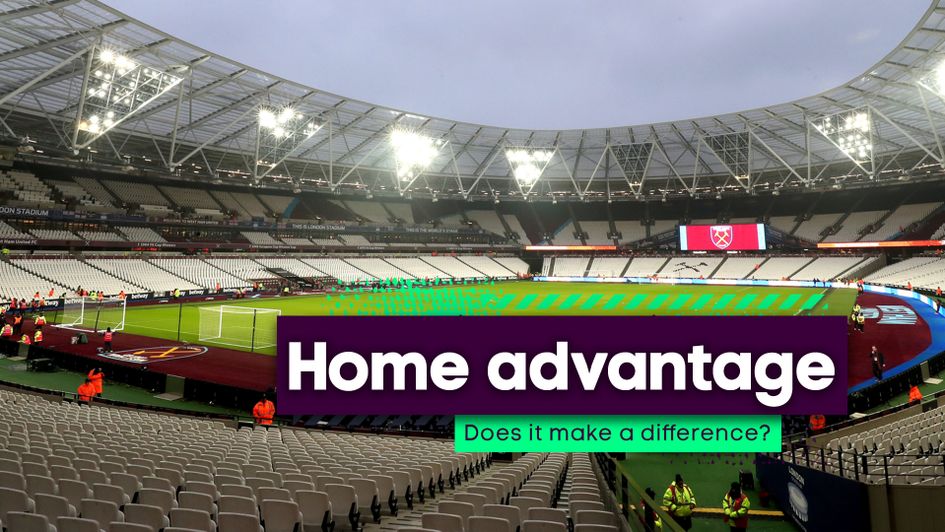
Home advantage is one of the most discussed concepts in football, yet it is often misunderstood or oversimplified. While many fans assume it is just about crowd support, the reality is far more complex. Home advantage is the result of multiple interacting factors psychological, physical, tactical, and even environmental that consistently influence match outcomes across leagues and competitions.
Despite advances in sports science, officiating technology, and modern travel, home teams continue to outperform away teams in most domestic leagues worldwide. Understanding why this happens provides deeper insight into football performance and match analysis.
You might also like

Takumi Minamino Injury Update: ACL Rupture, Recovery Reality and Its Impact on Club and Country
16:37 agoAcross major leagues, home teams generally:
- Win more matches
- Score more goals
- Concede fewer goals
- Accumulate more points over a season
Related Article

Cameron Menzies Injury Update: Hospital Treatment, Physical Recovery, and the Mental Side of Setbacks in Professional Darts
16:44 agoWhile the margin varies by league and era, the pattern remains consistent.
The Role of Crowd InfluenceCrowd support is often the most visible aspect of home advantage. Fans create an emotionally charged environment that can elevate the home team’s intensity while increasing pressure on the visiting side.
Crowds influence football in subtle but important ways:
- Boosting player confidence during attacking phases
- Creating intimidation for opponents, especially younger or less experienced players
- Increasing emotional momentum after goals, tackles, or near misses
Even with reduced attendance during likely periods in recent seasons, performance data still showed that teams felt more comfortable and confident at home, suggesting that crowd influence is powerful—but not the only factor.
Familiarity With Pitch and ConditionsHome teams benefit from complete familiarity with their environment. This includes:
- Pitch dimensions
- Grass length and surface speed
- Lighting and sightlines
- Local weather conditions
These factors affect decision-making, passing weight, pressing intensity, and positioning. While professional players adapt quickly, even small differences can impact performance at elite levels.
Teams that rely heavily on high pressing or quick transitions tend to benefit more from home familiarity, as timing and spacing are critical to their style of play.
Travel Fatigue and Physical FactorsAway teams often deal with travel-related challenges that home teams avoid. These include:
- Long-distance travel
- Disrupted routines
- Changes in climate or altitude
- Limited recovery time
Although modern sports science has reduced these effects, they have not disappeared. Teams traveling midweek for league or continental matches often experience physical and mental fatigue, which can affect concentration and reaction time.
Over a full season, these small disadvantages accumulate and contribute significantly to home advantage statistics.
Tactical Approach: Home vs Away Mentality
Teams do not approach home and away matches in the same way. Tactical psychology plays a major role.
At home, teams are more likely to:
- Press higher up the pitch
- Commit more players forward
- Take creative risks
- Control possession more confidently
Away teams, especially underdogs, often:
- Sit deeper defensively
- Prioritise compactness
- Play on the counter-attack
- Aim to frustrate rather than dominate
This difference in approach naturally leads to more attacking output from home teams and increases their likelihood of scoring first—an important factor in football outcomes.
Refereeing Bias: A Subtle but Real FactorRefereeing bias is controversial, but data suggests that home teams often receive marginally favourable decisions. These include:
- More fouls awarded
- Fewer bookings
- Higher likelihood of late penalties or added time pressure
This bias is rarely deliberate. Instead, it is influenced by:
- Crowd reactions
- Match atmosphere
- Subconscious human tendencies
While VAR has reduced clear errors, it has not eliminated subtle decision-making patterns that still lean slightly toward home teams.
Does Home Advantage Affect All Teams Equally?Not all teams benefit from home advantage in the same way.
Strong home advantage is often seen in:
- Teams with passionate fanbases
- Clubs playing in difficult environments (altitude, extreme weather)
- Sides with aggressive pressing styles
Weaker home advantage appears in:
- Teams that rely heavily on individual quality
- Clubs with modern, low-intensity stadium atmospheres
- Elite teams accustomed to dominating away matches
Interestingly, some top teams perform consistently both home and away, suggesting that tactical discipline and squad depth can neutralise traditional home advantages.
Has Home Advantage Decreased in Modern Football?There is evidence that home advantage has slightly declined over the past two decades. Factors contributing to this include:
- Improved travel logistics
- Better officiating technology
- Tactical standardisation across leagues
- Increased squad rotation and depth
However, “declined” does not mean “disappeared.” Home advantage still exists—it is simply more nuanced and less overwhelming than in previous eras.
Rather than guaranteeing wins, it now acts as a performance amplifier that increases the probability of success rather than ensuring it.
Home Advantage in Different Competitions Home advantage is strongest in:- Domestic league matches
- High-attendance stadiums
- Matches with clear emotional stakes
It is weaker in:
- Neutral-venue finals
- Two-legged continental ties
- Matches involving elite, experienced teams
Cup competitions often reduce home advantage due to rotation, tactical caution, and the unpredictability of knockout formats.
Why Home Advantage Still Matters in Match AnalysisIgnoring home advantage leads to incomplete football analysis. It provides context for:
- Unexpected away losses
- Strong home records despite weak overall form
- Goal timing patterns
- Tactical shifts during matches
Rather than being a standalone factor, home advantage works best when analysed alongside:
- Team form
- Squad availability
- Motivation
- Tactical matchups
When combined correctly, it helps explain patterns that raw statistics alone cannot.
Final ThoughtsHome advantage remains one of football’s most reliable performance factors—not because it guarantees results, but because it subtly shifts probabilities. Crowd influence, familiarity, travel fatigue, tactical mindset, and psychological comfort all contribute to why teams continue to perform better at home.
In modern football, success is rarely about one factor alone. Home advantage does not win matches by itself, but it consistently shapes how matches unfold and why likely results occur.
Understanding it is essential for deeper, smarter football analysis.
Explore Our Leagues Football Predictions











No comments yet. Be the first to share your thoughts!