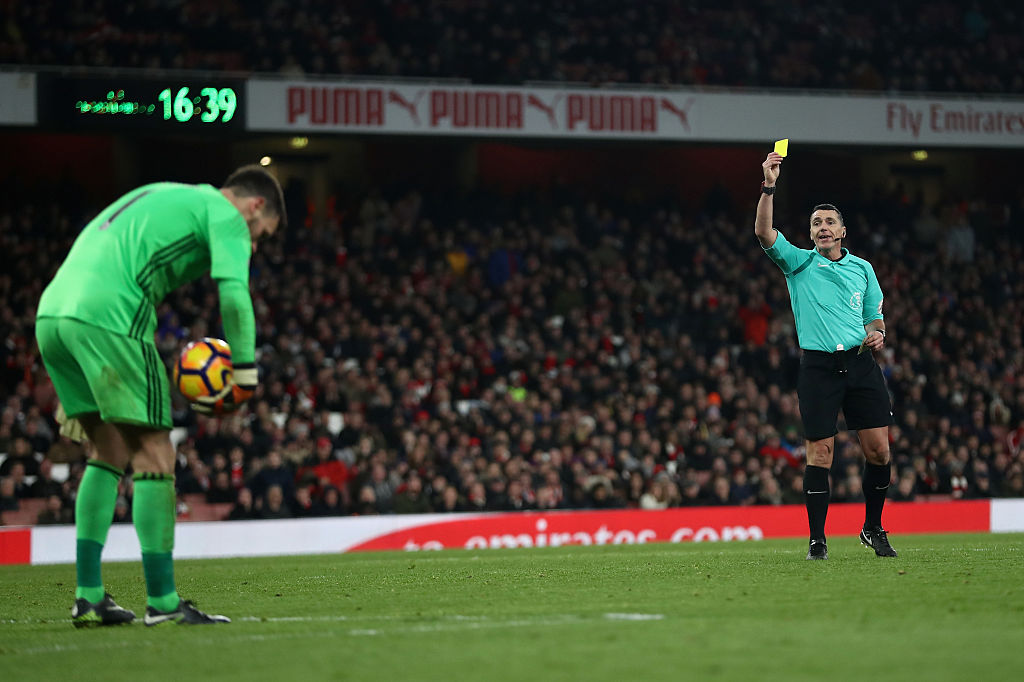
Time-wasting exists because football rewards teams that can protect advantages when time becomes more valuable than space.
You might also like

Transfers LIVE: Spurs ramp up Semenyo interest
15:52 agoTime-wasting is not always obvious or extreme. It usually involves:
- Delaying restarts
- Slowing substitutions
- Holding possession without attacking
- Using stoppages to disrupt rhythm
Related Article

10 Common prediction Mistakes That Lose Money (And How to Avoid Them)
05:39 agoLate in matches, the scoreboard matters more than style.
When leading:
- Every second reduces risk
- Each restart gives the opponent a chance
- Keeping the clock running protects the result
Teams trade aesthetics for control once time pressure increases.
Game State Drives Time-Wasting BehaviourTime-wasting is closely linked to game state.
It is most common when:
- A team is leading by one goal
- The match is in stoppage time
- The opponent is building momentum
Teams trailing rarely time-waste; teams protecting narrow leads almost always do.
Why Goalkeepers Are Central to Time-WastingGoalkeepers play a key role because:
- They control restarts
- They can legally hold the ball
- They slow tempo without leaving position
Holding the ball for a few extra seconds repeatedly can remove entire attacking sequences from the opponent.
Substitutions as a Time Management ToolLate substitutions often serve two purposes:
- Fresh legs
- Clock reduction
The substitution process itself:
- Stops the game
- Breaks opponent momentum
- Allows tactical reorganisation
Even short delays can have a large impact late.
Why Players Go Down Injured LateLate-game “injuries” are controversial but common.
They occur because:
- Players are genuinely fatigued
- Minor knocks feel more severe
- Stopping play relieves pressure
Whether intentional or not, these stoppages disrupt attacking rhythm.
The Psychological Effect on the OpponentTime-wasting is as much psychological as tactical.
For the trailing team:
- Frustration increases
- Decision-making becomes rushed
- Emotional control declines
This often leads to poor crosses, hopeful shots, and wasted possession.
Why Referees Allow Some Time-WastingReferees manage games, not just rules.
They may:
- Warn players before booking
- Allow minor delays
- Add time later instead of stopping play
The goal is to maintain flow while still recovering lost time through added minutes.
Why Time-Wasting Still Works Despite Added TimeEven with extra time added:
- Rhythm is broken
- Pressure phases are disrupted
- Opponents lose momentum
Time-wasting is about disruption, not just seconds.
Why Teams Time-Waste More Than BeforeModern football has intensified pressure.
Factors include:
- Higher physical demands
- More tactical discipline
- Greater consequences for results
Protecting a lead is often prioritised over continuing to attack.
When Time-Wasting BackfiresTime-wasting can fail when:
- Referees add excessive extra time
- Concentration drops after stoppages
- Opponents score from set pieces
Inviting pressure for too long increases risk.
Why Fans React So Strongly to Time-WastingFans dislike time-wasting because:
- It breaks immersion
- It feels unfair
- It reduces attacking play
Emotionally, it feels like the game is being “stolen” rather than won.
How This Helps You Read Live MatchesUnderstanding time-wasting helps fans:
- Anticipate long added time
- Recognise momentum control
- Interpret referee decisions
It explains why matches often feel chaotic in the final minutes.
Final ThoughtsTeams time-waste late in football matches because time becomes the most valuable resource. Slowing the game protects leads, disrupts opponents, and reduces exposure to risk.
While unpopular, time-wasting is a rational response to pressure in a sport where one moment can change everything.
In football, managing the clock is often as important as managing the ball.












No comments yet. Be the first to share your thoughts!