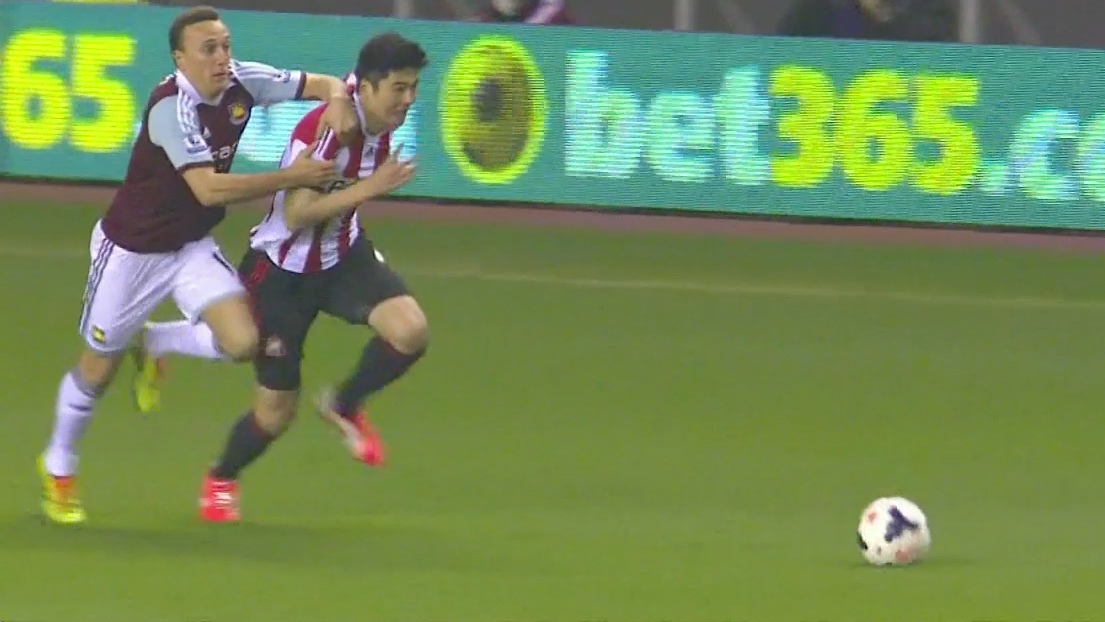
Understanding this explains why some fouls look obvious yet unavoidable.
You might also like

Celtic vs Stuttgart: Prediction, Preview, lineups
14:31 agoA tactical foul is committed to:
- Stop a counter-attack
- Break attacking momentum
- Allow teammates to recover position
Related Article
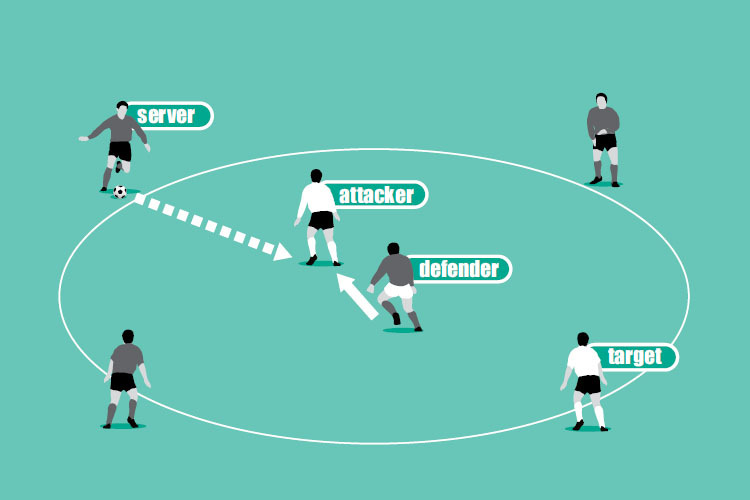
Why Defenders Stop Playing When They Think the Ball Is Out
19:57 agoIt prioritises team shape over individual discipline.
Why Counter-Attacks Are the Main TriggerMost tactical fouls occur in transition.
During counters:
- Defensive shape is broken
- Space opens quickly
- One pass can decide the move
Stopping play early feels safer than chasing back.
Why Midfielders Commit the Most Tactical FoulsMidfielders sit between defence and attack.
They are:
- Closest to breaking play
- Positioned to interrupt transitions
- Responsible for defensive balance
This makes them frequent offenders.
Why Players Accept Yellow Cards for Tactical FoulsPlayers often judge the trade-off.
A yellow card may:
- Prevent a clear chance
- Save a goal
- Protect the team result
One booking feels cheaper than conceding.
Why Tactical Fouls Rarely Lead to Red CardsTactical fouls are usually:
- Non-violent
- Low-impact
- Far from goal
They are punished as unsporting behaviour rather than serious foul play.
Why Referees Spot Tactical Fouls QuicklyTactical fouls are easy to identify because:
- The defender makes no attempt to play the ball
- The foul occurs immediately after possession loss
- The attacker is accelerating into space
Intent is clear, even without force.
Why Teams Coach Tactical FoulingDespite criticism, tactical fouls are coached.
Teams train:
- When to foul
- Where to foul
- Who should commit the foul
The goal is to minimise damage, not escape punishment.
Why Tactical Fouls Increase Late in MatchesLate-game pressure increases risk.
Teams foul more when:
- Leading narrowly
- Protecting tired defenders
- Facing direct counters
Game management replaces patience.
Why VAR Does Not Eliminate Tactical FoulsVAR reviews outcomes, not intent.
It:
- Does not upgrade minor fouls
- Focuses on red-card incidents
- Cannot stop fouls in real time
Tactical fouling remains effective.
Why Fans Hate Tactical FoulsFans dislike them because:
- They kill exciting moments
- They feel cynical
- They interrupt flow
Emotion clashes with tactical reality.
Why Some Tactical Fouls Are IgnoredReferees may play advantage if:
- The attacker stays in control
- A better opportunity exists
- Stopping play would hurt the fouled team
Advantage overrides punishment temporarily.
When Tactical Fouling BackfiresIt fails when:
- A second yellow follows
- The foul is mistimed
- The referee upgrades the offence
Poor judgement turns control into chaos.
How This Helps You Read Live MatchesUnderstanding tactical fouls helps fans:
- Predict yellow cards
- Recognise transition danger
- Understand midfield battles
It explains why fouls spike during counters.
Final ThoughtsTeams commit tactical fouls because modern football punishes disorganisation instantly. Stopping danger early—even at the cost of a yellow card—is often the smartest option available.
In football, sometimes the foul is the defence.





No comments yet. Be the first to share your thoughts!