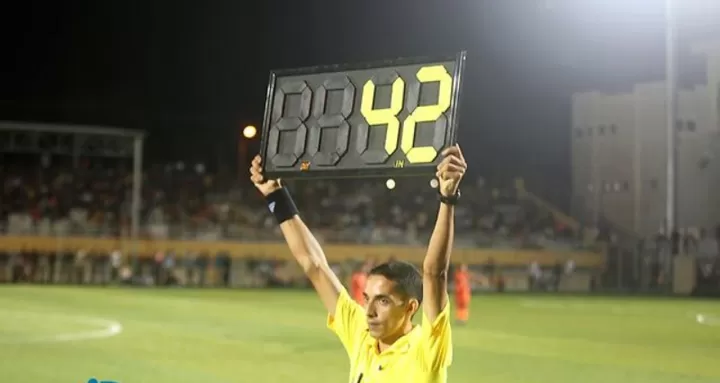
One of the most common questions fans ask during football matches is why referees suddenly add large amounts of extra time at the end of each half. Seeing +7, +9, or even +12 minutes often causes confusion, frustration, and debate.
Extra time is not added randomly. It is calculated based on specific match events, time-wasting patterns, and modern refereeing guidelines.
You might also like

Why Accumulator picks Rarely Win Long-Term: The Mathematics Behind the Trap
15:26 agoExtra time (also called stoppage time or added time) is the additional minutes played at the end of each half to compensate for interruptions that stopped the clock during regular play.
Football uses a continuous clock, so lost time must be added manually by the referee.
Related Article
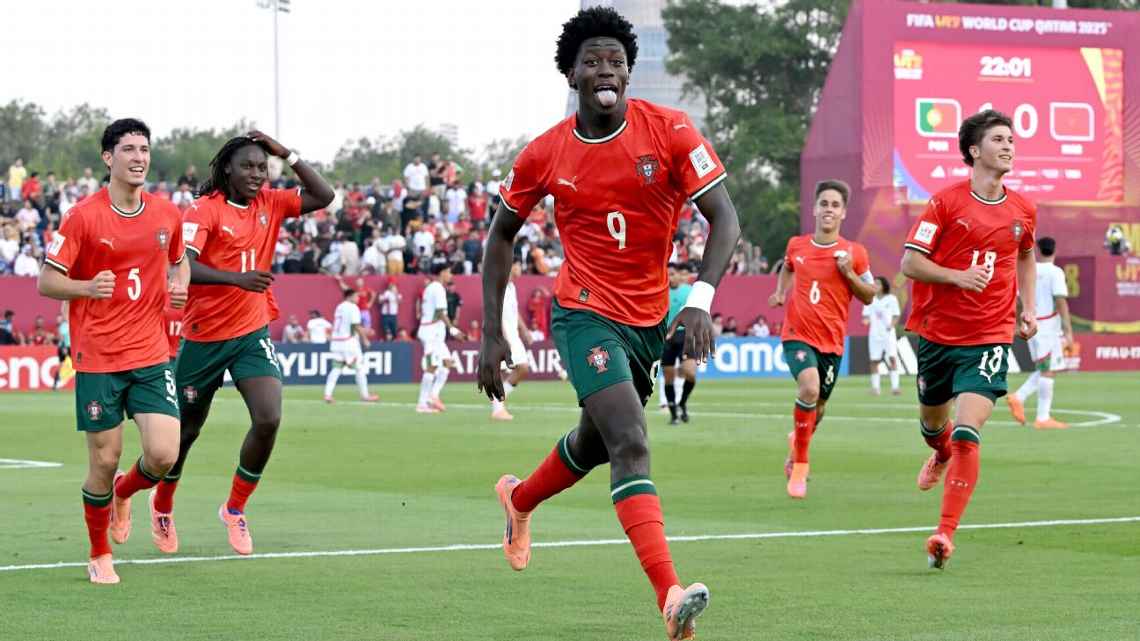
U17 World Cup Standout Players: Best Talents from Brazil, England & Portugal
17:07 agoReferees add extra time to make up for stoppages such as:
- Goals being scored
- Player substitutions
- Injuries and medical treatment
- VAR checks and reviews
- Time-wasting
- Disciplinary actions (yellow/red cards)
Each of these events consumes seconds or minutes that are tracked by the officials.
Why Extra Time Has Increased in Recent SeasonsIn modern football, extra time has become noticeably longer.
This is mainly due to:
- More VAR interventions
- Stricter time-wasting enforcement
- Instructions to recover lost playing time
Referees are now encouraged to add the full amount of time lost, rather than estimating loosely as in the past.
How Goals Affect Extra TimeEach goal scored can add:
- 30–60 seconds for celebrations
- Additional time for VAR confirmation
- Kick-off delays
Matches with multiple goals, especially late goals, often see significantly higher added time.
The Impact of VAR on Added TimeVAR reviews are one of the biggest contributors to long extra time.
VAR can involve:
- Offside checks
- Penalty reviews
- Goal confirmation
- Red card incidents
Even quick checks can add 30–90 seconds. Multiple reviews stack up quickly.
Time-Wasting Is Now Punished More StrictlyTime-wasting tactics such as:
- Goalkeepers holding the ball
- Slow throw-ins
- Deliberate delays on free kicks
Are now tracked more closely. Referees are instructed to add back every lost second, not just warn players.
This is why teams time-wasting early often face long added time later.
Why Injuries Increase Added TimeMedical stoppages significantly affect extra time.
When:
- Players receive on-field treatment
- Stretchers are used
- Head injury protocols are followed
The clock continues to run — but all of that time must be recovered.
Who Actually Decides the Amount of Extra Time?The decision is not made by one person alone.
- The referee keeps track of stoppages
- The fourth official monitors events
- Communication between officials determines the final figure
The displayed number is the minimum added time, not the maximum.
Why Extra Time Often Exceeds the Displayed MinutesMany fans are confused when play continues beyond the shown added time.
This happens because:
- Additional stoppages occur during extra time
- Goals or injuries happen after the board goes up
- Referees allow attacking phases to finish
Extra time is flexible, not fixed.
Why Extra Time Feels Longer Than It IsPsychologically, extra time feels intense because:
- Matches are often undecided
- Every second feels critical
- Emotions are heightened
This makes even short periods feel unusually long.
Why Extra Time Creates More GoalsLong added time increases scoring chances because:
- Defensive fatigue sets in
- Teams push forward aggressively
- Structure breaks down
This explains why many decisive goals are scored in stoppage time.
Why Referees Rarely Reduce Extra TimeOnce time is lost, referees are expected to recover it.
Reducing extra time would:
- Reward time-wasting
- Reduce fairness
- Contradict modern officiating guidelines
Consistency is now prioritised.
How This Helps You Understand Live MatchesKnowing how extra time is calculated helps fans:
- Understand referee decisions
- Anticipate late drama
- Interpret momentum shifts
It also explains why matches often last longer than 90 minutes.
Final ThoughtsExtra time in football is not random or exaggerated — it is a direct reflection of how much play was interrupted. Modern football has more stoppages, more reviews, and stricter enforcement, which naturally leads to longer added time.
When referees add many minutes, it usually means the match lost that time earlier.
In today’s game, football is played until the football is actually played.






No comments yet. Be the first to share your thoughts!