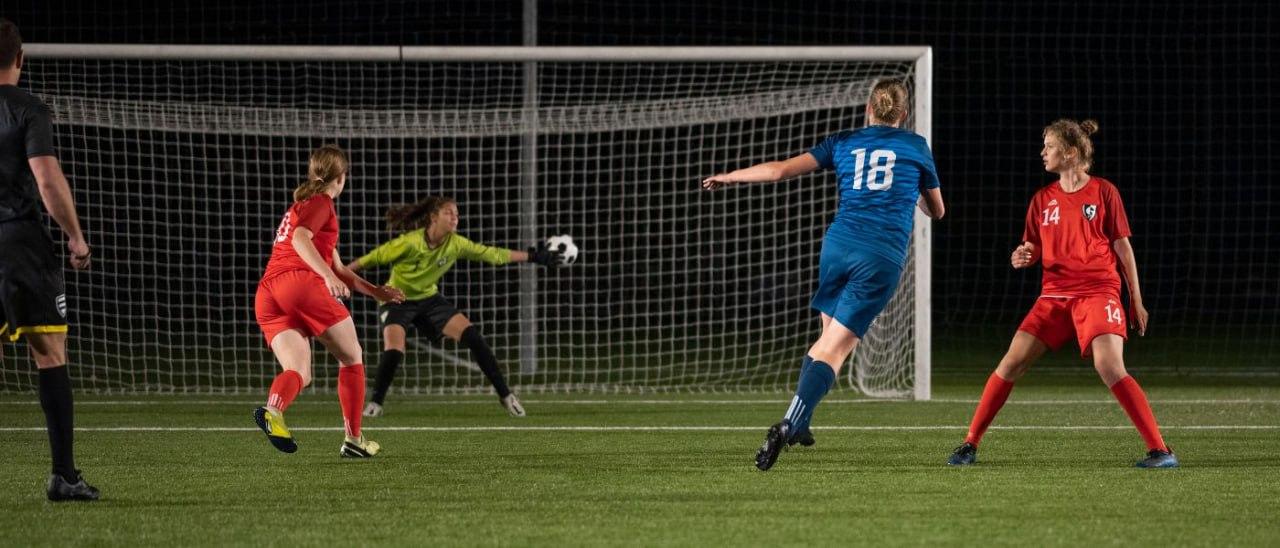
Understanding why late goals happen helps explain many of football’s most memorable moments.
You might also like
Match Insights: UEFA Champions League - Inter Milan vs Arsenal
17:48 agoFootball places heavy physical demands on players.
By the final minutes:
Related Article

Neymar Injury Update: What Happened, How Serious It Is, and What Comes Next for the Brazilian Star
16:33 ago- Recovery runs slow down
- Defensive reactions weaken
- Concentration drops
Even small physical declines create space and time for attackers, making late goals more likely.
Mental Fatigue and Loss of FocusMental sharpness declines alongside physical energy.
Late in matches:
- Marking assignments are missed
- Clearances lose accuracy
- Defensive lines lose organisation
Many late goals result from simple errors rather than complex tactics.
Scoreline Pressure Changes BehaviourAs time runs out, the scoreline dictates decisions.
- Trailing teams take more risks
- Leading teams become cautious
- Structure is sacrificed for urgency
This imbalance increases volatility and goal probability.
Why Defending a Lead Is Psychologically HardProtecting a lead late is mentally exhausting.
Leading teams often:
- Drop deeper than necessary
- Clear the ball instead of building play
- Invite constant pressure
This defensive retreat gives attackers repeated chances.
Substitutions Create ImbalanceLate substitutions change match dynamics.
Fresh attackers:
- Exploit tired defenders
- Press with higher intensity
- Attack space aggressively
Defenders struggle to adapt quickly, increasing vulnerability.
Set Pieces Become More Frequent and DangerousLate in matches, attacking teams push numbers forward.
This leads to:
- More corners
- More free kicks
- Chaotic penalty-box situations
Set pieces are ideal opportunities for late goals because they bypass open-play structure.
Why Added Time Increases Goal ChancesModern football features longer added time.
Long stoppage periods:
- Extend pressure phases
- Increase fatigue effects
- Allow multiple attacks
More minutes naturally mean more scoring opportunities.
The Role of Crowd and MomentumCrowd energy peaks late in matches.
Home supporters:
- Increase noise and urgency
- Influence player emotion
- Apply psychological pressure
Momentum often swings heavily in the final moments.
Why Teams Commit More Players ForwardTrailing teams have nothing to lose late.
They often:
- Send defenders into attack
- Overload the penalty area
- Take long-range shots
This creates chaos that benefits attackers.
Goalkeeper Involvement Late in MatchesGoalkeepers sometimes join attacks late.
This:
- Creates numerical overloads
- Forces defensive confusion
- Increases set-piece danger
While risky, it occasionally produces dramatic goals.
Why Late Goals Feel More Common Than They ArePsychologically, late goals feel frequent because:
- They decide results
- They allow no recovery time
- They trigger emotional extremes
These moments stick in memory more than early goals.
Why Leading Teams Often Lose Control LateLate-game management is difficult.
Teams struggle because:
- Fear replaces confidence
- Clear decision-making declines
- Pressure accumulates relentlessly
One mistake is often enough.
How This Helps You Read Live MatchesUnderstanding late goals helps fans:
- Anticipate late drama
- Interpret tactical shifts
- Understand time management
It explains why matches are rarely over early.
Final ThoughtsGoals are scored late because football pushes players to physical and psychological limits. As fatigue rises and pressure intensifies, structure breaks down and chaos emerges.
Late goals are not flukes — they are the natural outcome of a game designed to reward persistence and punish hesitation.
In football, belief often lasts longer than legs.





No comments yet. Be the first to share your thoughts!