
Understanding slow starts explains why patience often pays off later.
You might also like
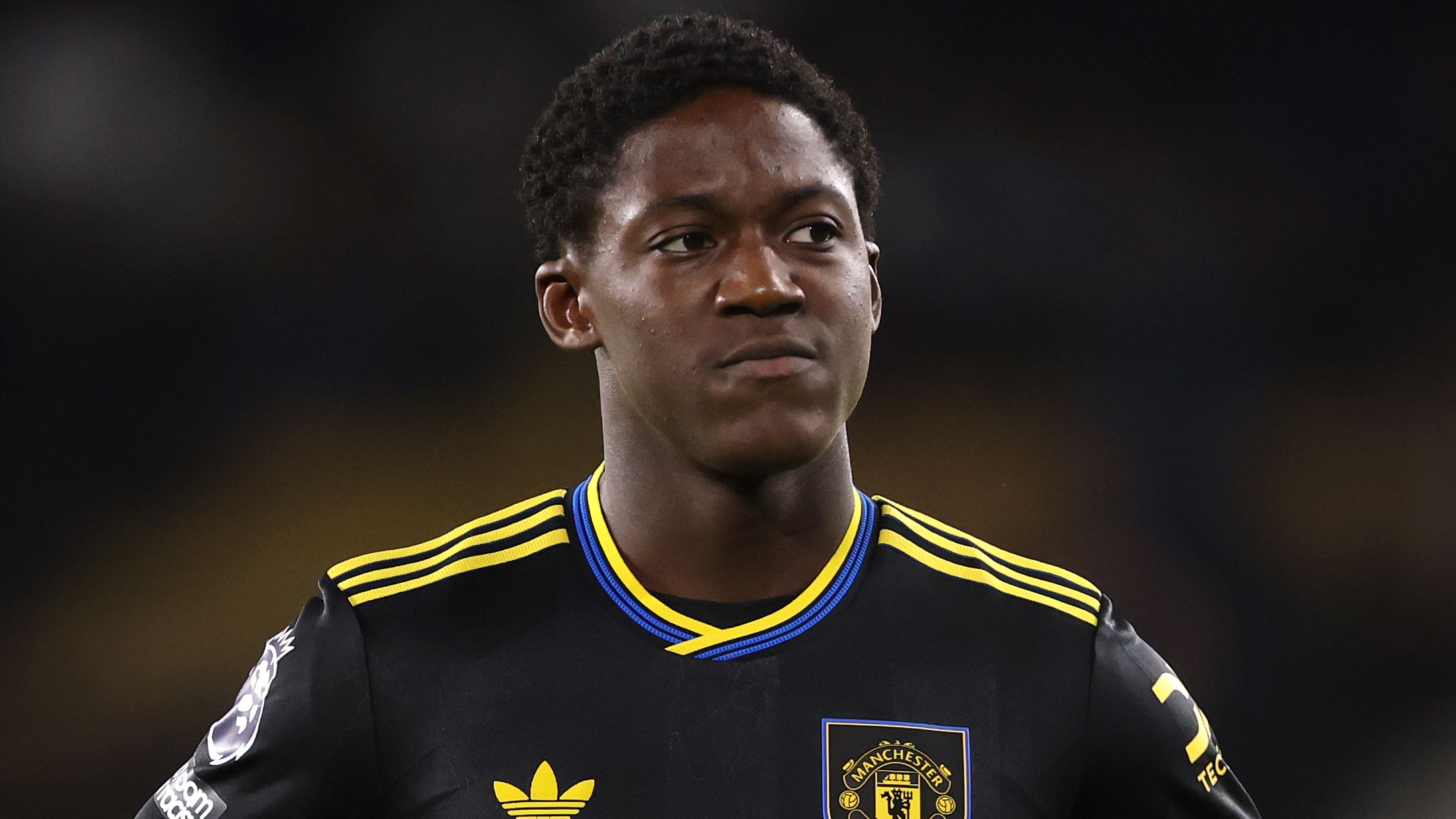
Paul Ince Urges Kobbie Mainoo to Leave Man Utd in January Amid Limited Playing Time
07:40 agoAt kickoff, teams prioritise organisation.
They focus on:
Related Article

Why Referees Allow Physical Play Early but Not Late in Football Matches
20:20 ago- Maintaining defensive shape
- Establishing pressing distances
- Avoiding early positional errors
Breaking structure too early invites counters and chaos.
No One Wants to Concede FirstThe first goal heavily influences outcomes.
Early concessions:
- Force tactical changes
- Increase emotional pressure
- Hand momentum to the opponent
This fear encourages cautious openings.
Information-Gathering PhaseThe opening phase is used to read the opponent.
Teams observe:
- Pressing triggers
- Defensive weaknesses
- Midfield matchups
Attacking plans sharpen only after patterns are identified.
Defensive Freshness Suppresses ChancesEarly on:
- Defenders are fresh
- Lines are compact
- Recovery runs are quick
High-quality chances are harder to create before fatigue appears.
Tempo Control Matters EarlyTeams seek rhythm before risk.
Early play often features:
- Safe circulation
- Territorial probing
- Measured progression
Tempo increases once control is established.
Away Teams Especially Start CautiouslyAway sides aim to settle first.
They try to:
- Quiet the crowd
- Survive early pressure
- Grow into the game
A calm start reduces volatility.
Midfield Battles Dominate OpeningsEarly matches are often decided in midfield positioning.
You’ll see:
- Compact blocks
- Limited vertical passes
- Few runners beyond the ball
This naturally slows the game.
Coaches Plan for Second-Half AdjustmentsManagers rarely expect the first 10 minutes to decide games.
They plan to:
- Adjust at halftime
- Increase risk later
- Exploit fatigue and space
Patience early supports stronger finishes.
Why Early Chances Are Often Low QualityWhen chances do appear early, they’re usually:
- Long-range shots
- Half chances from transitions
- Set-piece scraps
Clear chances typically arrive later.
Psychology Favors Calm Over UrgencyEmotionally, early minutes feel open-ended.
Players:
- Feel no desperation
- Trust the plan
- Avoid forcing outcomes
Urgency grows with the clock.
Why Fans Perceive Slow Starts More ClearlyExpectations peak at kickoff.
Slow starts feel dull because:
- Anticipation is highest
- Time still feels abundant
- Momentum hasn’t shifted
In reality, this phase is normal.
When Slow Starts Become a ProblemSlow starts hurt teams when:
- They concede from a mistake
- They fail to raise tempo later
- Confidence drops early
The key is progression, not stagnation.
How This Helps You Read Live MatchesKnowing this helps fans:
- Stay patient early
- Recognise control phases
- Anticipate later intensity
It explains why excitement often builds after the break.
Final ThoughtsTeams start matches slowly because football rewards balance before bravery. Early minutes are about stability, information, and control. As confidence grows and fatigue appears, matches open up.
In football, the game often begins quietly — and ends loudly.




No comments yet. Be the first to share your thoughts!