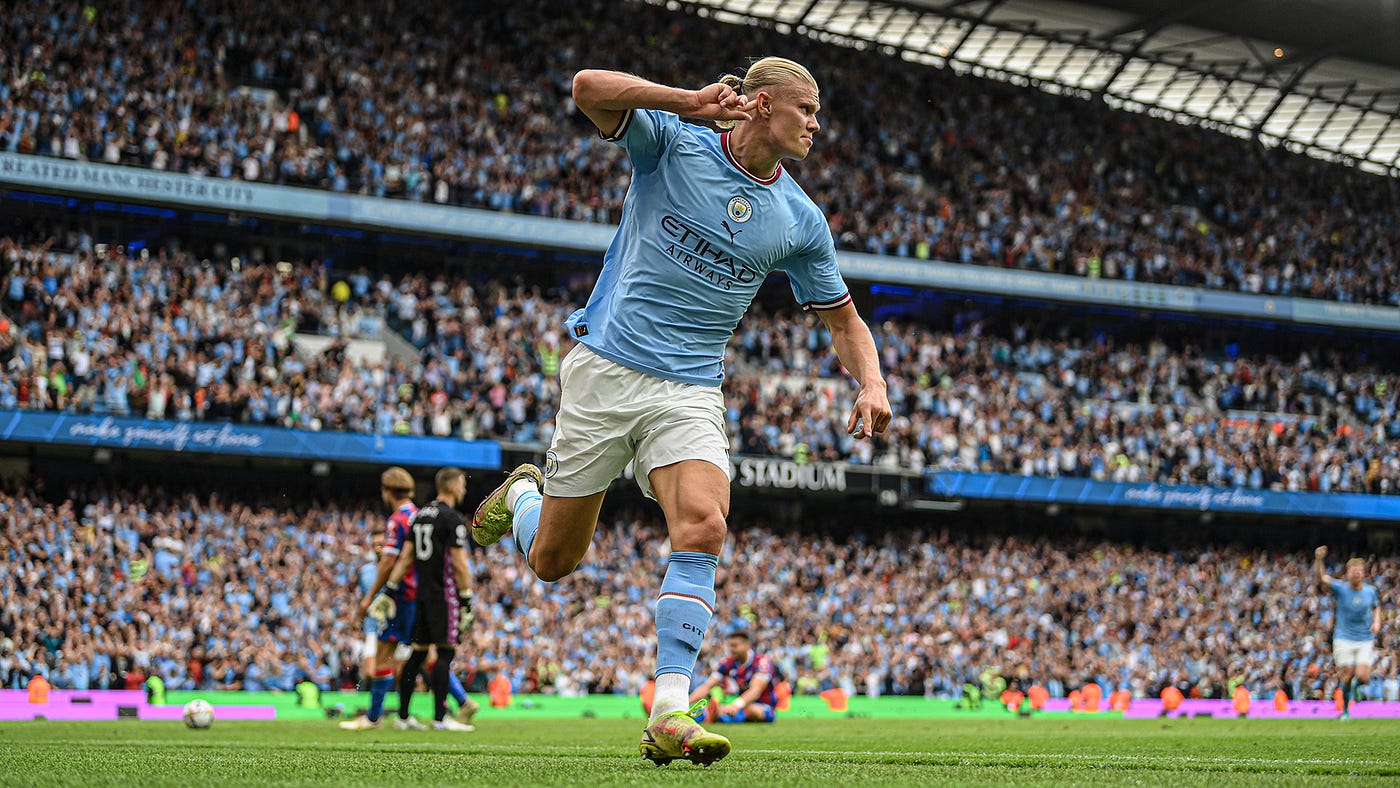
One of the most consistent patterns in football is the timing of goals. Across leagues, competitions, and playing styles, more goals are scored in the second half than in the first. This is not coincidence, and it is not simply about teams “trying harder” late on. It is the result of physical decline, tactical evolution, psychological pressure, and changing match incentives.
You might also like
.jpg?auto=webp&format=pjpg&width=1920&quality=60)
Modrić Says Tottenham Blocked Chelsea Transfer Was ‘A Blessing’
15:49 agoUnderstanding why goals increase after halftime provides deeper insight into how football matches unfold and why late moments are often decisive.
The Statistical Reality of Second-Half Goals Historical match data from top domestic leagues consistently shows that the second half produces a higher percentage of total goals. In many competitions, over 55% of goals arrive after the break, with a significant spike in the final 20 minutes.This trend persists regardless of:
Related Article
Why Penalties Are Retaken in Football
19:45 ago- League strength
- Team quality
- Match importance
- Playing style
Such consistency indicates structural reasons rather than randomness.
Physical Fatigue and Defensive DeclineFootball is an intense sport that demands constant concentration, acceleration, and decision-making. As the match progresses, physical fatigue becomes unavoidable.
Fatigue affects defenders more visibly than attackers:
- Reaction time slows
- Recovery runs become less effective
- Positioning errors increase
- Tackling timing becomes less precise
Even slight physical decline can be decisive at elite levels. A half-step delay is often the difference between blocking a shot and conceding a goal.
As legs tire, defensive lines lose compactness, creating spaces that were not available in the first half.
Mental Fatigue and Loss of ConcentrationBeyond physical tiredness, mental fatigue plays a major role in second-half goals. Maintaining tactical discipline for 90 minutes is extremely demanding.
As concentration drops:
- Defensive communication weakens
- Players lose awareness of runners
- Mistakes increase under pressure
- Decision-making becomes rushed
Late goals often come not from brilliance, but from momentary lapses. A missed marking assignment or poor clearance can undo an otherwise solid performance.
This explains why many goals occur immediately after long defensive phases or sustained pressure.
Tactical Adjustments After HalftimeHalftime is a critical reset point in football. Managers use the break to analyse patterns, exploit weaknesses, and change game plans.
Second-half tactical changes often include:
- Formation adjustments
- Pressing triggers
- Role changes for key players
- Targeting specific defenders
If one team successfully adapts while the other does not, the balance of the match can shift quickly. This tactical evolution creates new attacking opportunities that were not present earlier.
Matches that appear controlled in the first half can become open and chaotic after tactical reshaping.
Substitutions and Fresh EnergySubstitutions play a decisive role in second-half goal patterns. Fresh players introduce energy, speed, and unpredictability against tired opponents.
Substitutes often:
- Press more aggressively
- Make sharper runs
- Take more risks
- Exploit fatigue-induced gaps
Modern football allows up to five substitutions, significantly increasing the impact of bench players. A single energetic substitute can disrupt an entire defensive structure.
This imbalance between fresh attackers and fatigued defenders heavily favours second-half scoring.
Scoreline Pressure and Game StateThe current score fundamentally shapes how teams behave after halftime.
- If a team is trailing:
- They must attack
- Defensive caution decreases
- Risk-taking increases
Space opens up behind the back line
If a team is leading:
- They often drop deeper
- Focus shifts to protection rather than progression
- Possession becomes conservative
As the clock runs down, pressure intensifies. The psychological weight of time becomes a factor.
Players experience:
- Fear of losing
- Urgency to equalise
- Anxiety about mistakes
- Emotional decision-making
These emotions reduce discipline and increase unpredictability. Desperation often leads to risky defensive actions, mistimed tackles, or poor clearances.
Late goals frequently emerge not from superior tactics, but from psychological stress overwhelming structure.
Increased Crossing and Direct PlayIn the second half—especially late on—teams rely more on direct football. This includes:
- More crosses into the box
- Long balls
- Set-piece delivery
- Second-ball battles
Direct play increases chaos. Defensive organisation breaks down more easily when balls are delivered quickly into crowded areas.
Set pieces become particularly dangerous late in matches, as tired defenders struggle to track runs and maintain marking discipline.
Refereeing Dynamics and Added TimeLate stages of matches often feature:
- More fouls
- More stoppages
- Longer added time
- Increased pressure on officials
As teams push aggressively, fouls around the penalty area become more frequent. Set pieces, penalties, and rebounds add further goal-scoring opportunities.
Extended added time has also increased the window for late goals, making matches feel longer and more volatile than in the past. Why First Halves Are Usually More CautiousIn contrast, first halves are typically controlled and conservative.
Teams focus on:
- Defensive structure
- Tactical assessment
- Risk management
- Avoiding early mistakes
Early goals can dramatically alter match plans, so teams prioritise stability. This results in slower tempo, fewer risks, and fewer clear chances.
Only once the game state demands change do teams abandon this caution.
Does This Apply to All Matches?While the pattern is strong, not all matches follow it equally.
Second-half goal trends are strongest in:- Evenly matched games
- High-stakes matches
- Games with tactical flexibility
They are weaker in:
- Matches with early red cards
- Games dominated by one team
- Defensive stalemates between cautious sides
Context still matters, but the overall pattern remains remarkably consistent.
Why Second-Half Analysis Matters
Understanding second-half goal patterns helps explain:
- Late comebacks
- Unexpected scoreline changes
- Momentum shifts
- Tactical collapses
Football is not static. Matches evolve, and the second half is where structure gives way to pressure, fatigue, and emotion.
Recognising this evolution leads to more accurate and realistic match analysis.
Final Thoughts
Second-half goals are not random events. They are the natural outcome of fatigue, tactical change, psychological pressure, and shifting incentives as time runs out.
Football is a game of margins, and those margins grow wider as players tire, structures loosen, and urgency takes over. This is why matches are so often decided late—and why no result is secure until the final whistle.
Understanding why goals increase after halftime reveals football for what it truly is: a dynamic, evolving contest shaped by both body and mind.





No comments yet. Be the first to share your thoughts!