
Understanding why teams slow down offence late helps explain end-game basketball and why close matches look very different from earlier quarters.
You might also like
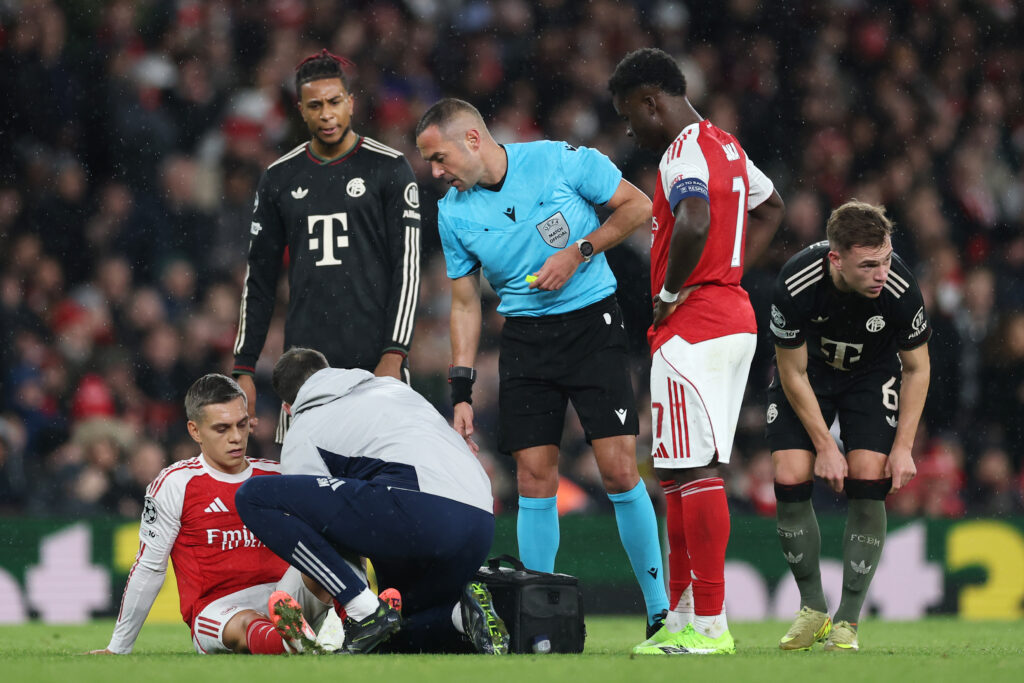
Arteta gives injury updates on Rice, Saliba, Trossard & Mosquera
04:50 agoSlowing down the offence usually involves:
- Using more of the shot clock
- Fewer fast breaks
- More isolation or set plays
- Reduced risk in passing
Related Article
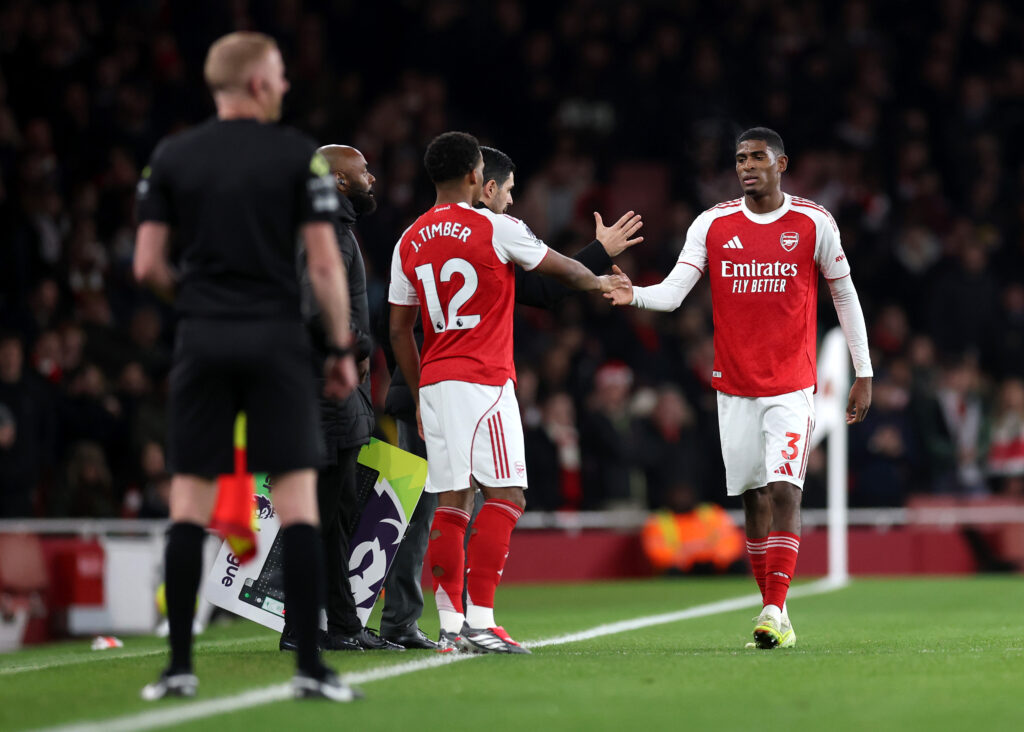
Arsenal star could miss 6-8 weeks with injury
04:45 agoIn the final minutes, time is as valuable as points.
Teams slow down to:
- Limit the opponent’s possessions
- Prevent quick scoring runs
- Force the opposition to defend longer
By using more of the shot clock, a team protects its lead by simply reducing opportunities for the opponent.
Why Leading Teams Slow the GameTeams with a lead benefit most from slowing down.
They aim to:
- Protect the scoreboard advantage
- Avoid turnovers
- Control tempo emotionally and tactically
Fast play increases volatility. Slow play increases predictability — and predictability favours the team in front.
Reducing Turnovers Under PressureLate-game pressure increases the risk of mistakes.
By slowing the offence, teams:
- Make simpler passes
- Avoid risky transitions
- Limit decision-making speed
Turnovers late in games often lead to easy points. Slowing down reduces this risk significantly.
Why Set Plays Matter More LateAs the game tightens, coaches rely on structured offence.
Set plays:
- Create defined roles
- Reduce confusion
- Target favourable matchups
Slower pace allows teams to run these plays effectively rather than reacting in chaos.
Fatigue and Shot QualityLate in games, players are tired.
Slowing down helps:
- Preserve energy
- Improve shot selection
- Avoid rushed attempts
Good shots late are more valuable than quick shots. Coaches prioritise efficiency over volume.
Why Trailing Teams Sometimes Slow Down TooIt may seem counterintuitive, but even teams behind can slow the offence.
This happens when:
- Teams want a high-quality three-point shot
- They aim to draw fouls
- They seek mismatches through isolation
Rushing a bad shot can be worse than waiting for a better one.
Managing Foul SituationsLate in games, foul trouble shapes decisions.
Slower offence helps teams:
- Avoid offensive fouls
- Control who handles the ball
- Force defenders into tough choices
Every whistle late has major consequences.
Psychological Control of the GameSlowing down isn’t just tactical — it’s psychological.
It:
- Frustrates opponents
- Reduces crowd momentum
- Calms the leading team
Teams in control of tempo often appear calmer and more confident in clutch moments.
Why Fans Often Find Late Games “Slower”From a fan perspective, late-game basketball can feel slower because:
- There are more stoppages
- Plays are more deliberate
- Every possession is magnified
This is not lack of ambition — it’s heightened importance.
When Slowing Down BackfiresSlowing the offence can fail if:
- The team becomes too passive
- Shot quality drops
- The opponent forces turnovers anyway
The key is balance: control without stagnation.
How This Helps You Read Live Basketball GamesKnowing why teams slow down late helps you understand:
- Coaching decisions
- Tempo changes
- Why games tighten late
Basketball teams slow down offence late because the game shifts from speed to precision. Possessions become valuable, mistakes become costly, and control becomes king.
Late-game basketball isn’t about playing faster — it’s about playing smarter.








No comments yet. Be the first to share your thoughts!