
Defending a draw is a strategic decision shaped by competition structure and game state.
You might also like

Why Basketball Teams Slow Down Offence Late in Games
14:35 agoDefending a draw usually involves:
- Dropping into a compact defensive shape
- Reducing forward runs
- Slowing the tempo of the game
- Prioritising ball retention over chance creation
Related Article
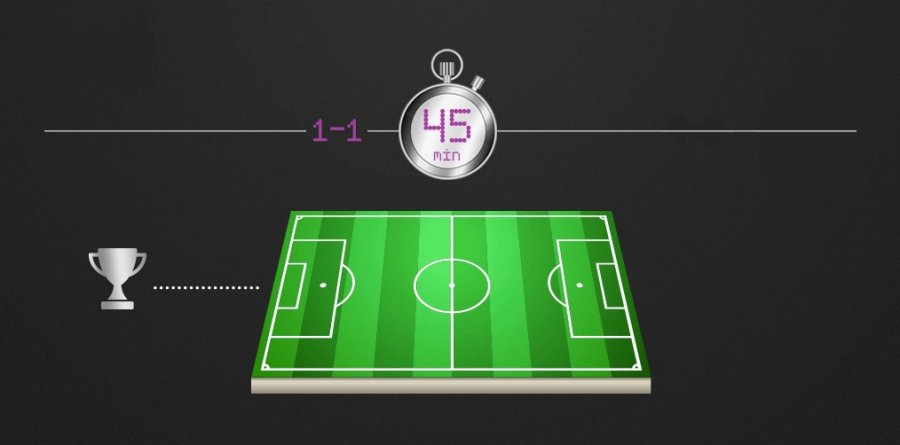
First Half/Second Half prediction: Timing Your Investments Right
11:20 agoThe aim is to protect a single point rather than risk losing all three.
Why One Point Can Be ValuableIn league football, points accumulate over time.
A draw:
- Adds to the season total
- Avoids damage to league position
- Maintains momentum and confidence
For teams near relegation or chasing qualification, one point can be more valuable than the risk of zero.
League Context Shapes DecisionsTeams assess draws differently depending on context.
- Underdogs often value away draws highly
- Mid-table teams protect stability
- Relegation candidates prioritise survival
In many situations, avoiding defeat is the primary objective.
Risk Increases Late in MatchesAs matches approach full time, risk escalates.
Pushing for a winner late:
- Exposes defensive space
- Creates counter-attacking opportunities
- Requires committing more players forward
Teams weigh this risk carefully, especially if fatigue is already high.
Why Away Teams Defend Draws More OftenAway matches carry extra risk.
Away teams often:
- Face hostile crowds
- Have less control of tempo
- Travel and recovery considerations
Securing a draw away from home is often considered a positive result.
Psychological Safety of a DrawA draw feels safer psychologically than chasing a win.
Players think:
- “Don’t make the mistake that costs us everything”
- “We’ve already secured something”
- “The opponent may be stronger in open play”
Fear of losing often outweighs desire to win late.
Why Coaches Encourage Conservative PlayCoaches are judged on results, not entertainment.
They may instruct teams to:
- Maintain shape
- Reduce pressing
- Play into safe areas
A draw protects reputation, job security, and long-term planning.
Fatigue Reduces Late-Game AmbitionLate in matches, physical limits matter.
Fatigued teams:
- Struggle to recover defensively
- Lose intensity in attack
- Make more mistakes under pressure
Defending a draw can feel more realistic than pushing for a winner.
Why Big Teams Sometimes Accept DrawsEven strong teams defend draws in likely situations.
This happens when:
- The opponent is well organised defensively
- Fixture congestion is high
- A draw maintains a lead in the standings
Strategic patience can be more valuable than short-term risk.
Why Fans Often Disagree With This ApproachFans prefer ambition and attacking football.
They react negatively because:
- Draws feel unsatisfying
- Opportunities appear wasted
- Entertainment value drops
However, fans experience football emotionally, while teams operate pragmatically.
When Defending a Draw BackfiresPlaying for a draw can fail if:
- Concentration drops
- A late mistake occurs
- Pressure becomes overwhelming
Passive defending invites danger if control is lost.
Why Draws Are a Natural Part of FootballFootball is a low-scoring sport.
This means:
- Small margins decide outcomes
- Risk management is essential
- Not every match produces a winner
Draws reflect balance as much as caution.
How This Helps You Understand Live MatchesKnowing why teams defend draws helps fans:
- Interpret tactical changes
- Understand late-game decisions
- Anticipate tempo drops
It explains why matches sometimes slow dramatically near the end.
Final ThoughtsTeams defend draws because football rewards caution as much as courage. In many contexts, protecting one point is smarter than chasing three recklessly.
While it may frustrate fans, defending a draw is often a sign of realism, not fear.
In football, knowing when not to lose can be just as important as knowing how to win.











No comments yet. Be the first to share your thoughts!