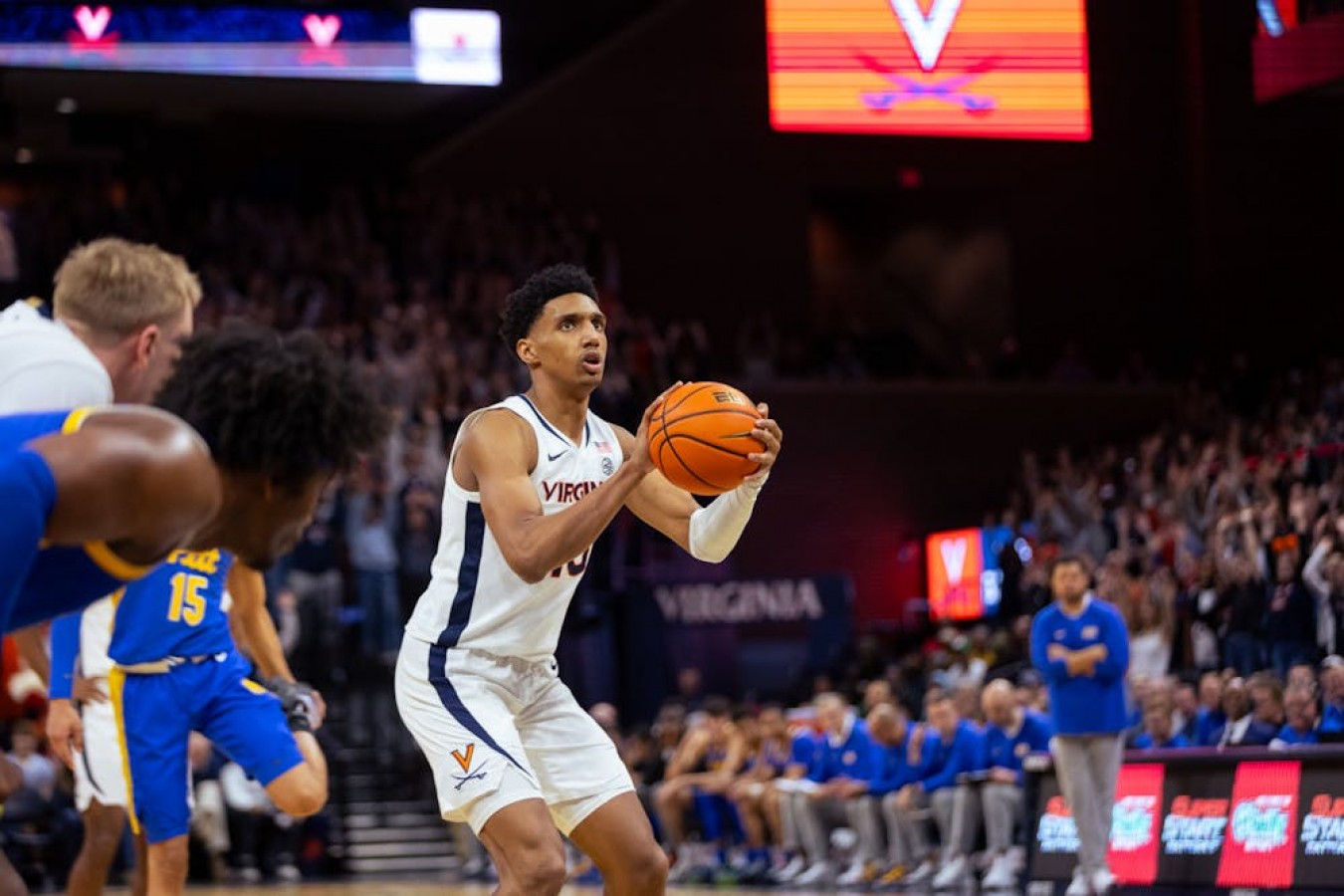
Late free throws are built into how basketball is played and coached when the score is tight and time is running out.
You might also like

Why Referees Give Yellow Cards for Time-Wasting
19:49 agoThe biggest reason for late free throws is intentional fouling.
When a team is trailing:
Related Article
Guardiola’s Rotation Misfires: City Punished for Leaving Haaland on the Bench
23:00 ago- Letting the clock run reduces comeback chances
- Stopping play becomes essential
- Free throws are preferable to open play
By fouling, teams trade time for points and create extra possessions. This immediately increases the number of free throws taken late.
The Bonus Rule Encourages Free ThrowsBasketball rules play a major role.
In most competitions:
- Teams enter the bonus after a set number of fouls
- Every defensive foul then results in free throws
Late in games, teams are almost always in the bonus. That means:
- Every foul stops the clock
- Every foul sends players to the line
This rule structure naturally creates more late free throws.
Defensive Pressure Increases FoulsLate-game defence is more aggressive.
Players:
- Fight harder through screens
- Reach in to disrupt dribbles
- Contest shots more urgently
As intensity rises, so does contact. Even unintentional fouls become more frequent under pressure.
Star Players Handle the Ball MoreLate in games, the ball is usually in the hands of:
- Primary scorers
- Elite ball-handlers
- Reliable free-throw shooters
Defenders target these players to stop shots or prevent easy scores, often resulting in fouls. More star involvement means more trips to the line.
Driving to the Basket Is PrioritisedAs games tighten, teams focus on high-percentage actions.
Late-game offence often features:
- Drives to the rim
- Post-ups
- Attacks on closeouts
These plays increase physical contact and draw fouls more easily than jump shots, leading to additional free throws.
Clock Management Creates Stop-Start PlayLate-game clock management changes everything.
Teams foul to:
- Stop the clock
- Preserve remaining seconds
- Force predictable outcomes
The result is a stop-start rhythm where each possession includes free throws, timeouts, and substitutions.
Why Referees Call More Fouls LateReferees don’t intentionally call more fouls — situations change.
Late in games:
- Contact increases
- Plays are more decisive
- Every possession matters
Clear fouls become harder to ignore because their impact on the game is greater.
Free Throws Are the Safest Way to ScoreFor the leading team, free throws are ideal.
They:
- Stop the clock
- Reduce turnover risk
- Force the opponent to foul again
Teams in front actively seek contact late, knowing free throws help protect the lead.
Why Games Feel Longer at the EndThe final two minutes can take longer than an entire quarter.
This happens because:
- Every foul stops play
- Free throws reset the clock
- Timeouts increase
What feels excessive is actually the logical result of late-game strategy.
Why Fans Often Find Late Free Throws FrustratingFans prefer flow and rhythm. Late free throws:
- Break momentum
- Reduce continuous action
- Extend game duration
However, coaches prioritise winning over entertainment. Late free throws are efficient, not exciting.
When Late Free Throws Decide GamesClose games often come down to:
- Free-throw accuracy
- Mental composure
- Execution under pressure
Teams that shoot well from the line late dramatically increase their chances of winning.
How This Helps You Understand Live Basketball GamesKnowing why free throws increase late helps fans understand:
- Why games slow down
- Why fouls seem constant
- Why discipline matters late
Late free throws aren’t accidental — they are the product of strategy, rules, and pressure. As time runs out, basketball becomes a game of control rather than flow, and free throws become the safest path to points.
Understanding this makes late-game chaos easier to follow and far less confusing.

No comments yet. Be the first to share your thoughts!