
How Injuries Are Affecting AFCON Teams and Changing the Tournament Landscape
The Africa Cup of Nations is a tournament defined by fine margins, physical intensity, and emotional momentum. While tactics and talent remain important, injuries are once again proving to be one of the most decisive factors shaping the competition. As AFCON progresses, the absence or limited fitness of key players is influencing results, altering tactical plans, and redefining which teams can realistically go deep into the tournament.
You might also like
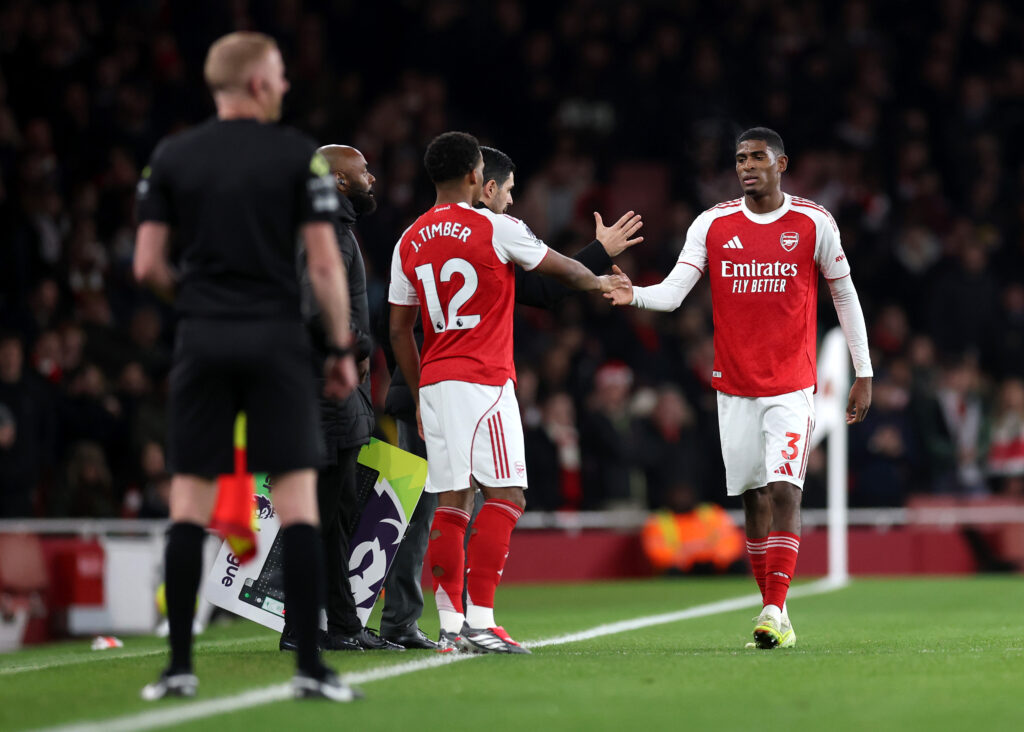
Arsenal star could miss 6-8 weeks with injury
04:45 agoUnlike club football, where squads are large and rotations are constant, AFCON places teams in a far more fragile position. A single injury can reshape an entire campaign.
One of the defining features of AFCON is its narrow quality gap. Most teams arrive with players competing at high levels across Europe and beyond. This parity means that losing even one starter can tilt the balance significantly. When teams are evenly matched physically and tactically, depth and availability often decide outcomes more than star power.
Injuries affect AFCON teams differently depending on squad structure. Teams built around one or two key individuals are far more vulnerable. When a central midfielder, creative attacker, or defensive leader is unavailable, replacements may lack either experience or chemistry. This forces coaches to adjust systems rather than simply swap personnel.
Related Article

What is the FIFA Peace Prize?
16:40 agoFor teams with stronger squad balance, injuries still create complications. AFCON’s compact schedule allows limited recovery time between matches, increasing fatigue-related risks. Players returning from minor injuries may be forced into action earlier than ideal, while others are managed cautiously, leading to constant lineup changes that disrupt continuity.
Defensive injuries are particularly damaging in AFCON. The tournament traditionally features tight scorelines, with many matches decided by a single goal. Defensive organisation relies heavily on familiarity and communication. When centre-backs or full-backs are missing, defensive cohesion often suffers, even if individual replacements are competent.
Attacking injuries, on the other hand, change how teams approach games. Without key forwards, teams may abandon pressing strategies, sit deeper, and rely on counter-attacks or set pieces. This often leads to lower-scoring matches and places greater emphasis on discipline and patience rather than creativity.
Midfield injuries can be the most disruptive of all. Midfielders control tempo, protect defensive lines, and link play. Losing a central figure forces teams to either overload defensively or sacrifice control in pursuit of attacking output. In AFCON, where matches can swing quickly, losing midfield stability is especially risky.
The physical demands of AFCON amplify injury impact. Climate conditions, pitch quality, and high-intensity duels place additional stress on players already navigating long club seasons. Muscle fatigue accumulates rapidly, increasing the likelihood of soft tissue injuries as the tournament progresses.
Another key factor is the limited preparation time national teams have together. Unlike clubs, national sides cannot spend weeks integrating replacements. Tactical changes must be absorbed quickly, often during recovery sessions rather than full training. This increases the likelihood of positional errors and miscommunication.
Psychologically, injuries also shift pressure. Teams missing star players often adopt an underdog mentality, which can be freeing. Conversely, favourites dealing with injuries may feel heightened anxiety, knowing their margin for error has narrowed. These emotional dynamics frequently influence performance as much as tactical decisions.
Goalkeepers, often overlooked in injury discussions, play a critical role at AFCON. Injuries or fitness doubts in this position can dramatically affect team confidence. A reliable goalkeeper can compensate for defensive absences, while uncertainty between the posts magnifies every mistake.
As AFCON enters its later stages, injury management becomes a strategic priority. Coaches must decide whether to push players through discomfort or preserve them for potential knockout matches. These decisions can define a tournament run, especially when penalties and extra time are involved.
For fans and analysts, understanding injury context is essential when interpreting AFCON results. Narrow wins, cautious performances, or unexpected lineups often reflect physical limitations rather than tactical conservatism. Judging teams without considering availability can lead to misleading conclusions.
In the broader picture, AFCON once again highlights the importance of squad depth and adaptability. Teams that prepare for absence rather than hope for availability tend to survive longer. Those relying too heavily on individual brilliance are more exposed when injuries inevitably strike.
Ultimately, injuries are not just affecting AFCON teams — they are shaping the tournament itself. From tactical adjustments to psychological shifts, physical availability has become one of the most powerful forces determining who advances and who falls short.
In AFCON, success does not belong to the healthiest team by chance, but to the one best prepared to cope with adversity.











No comments yet. Be the first to share your thoughts!