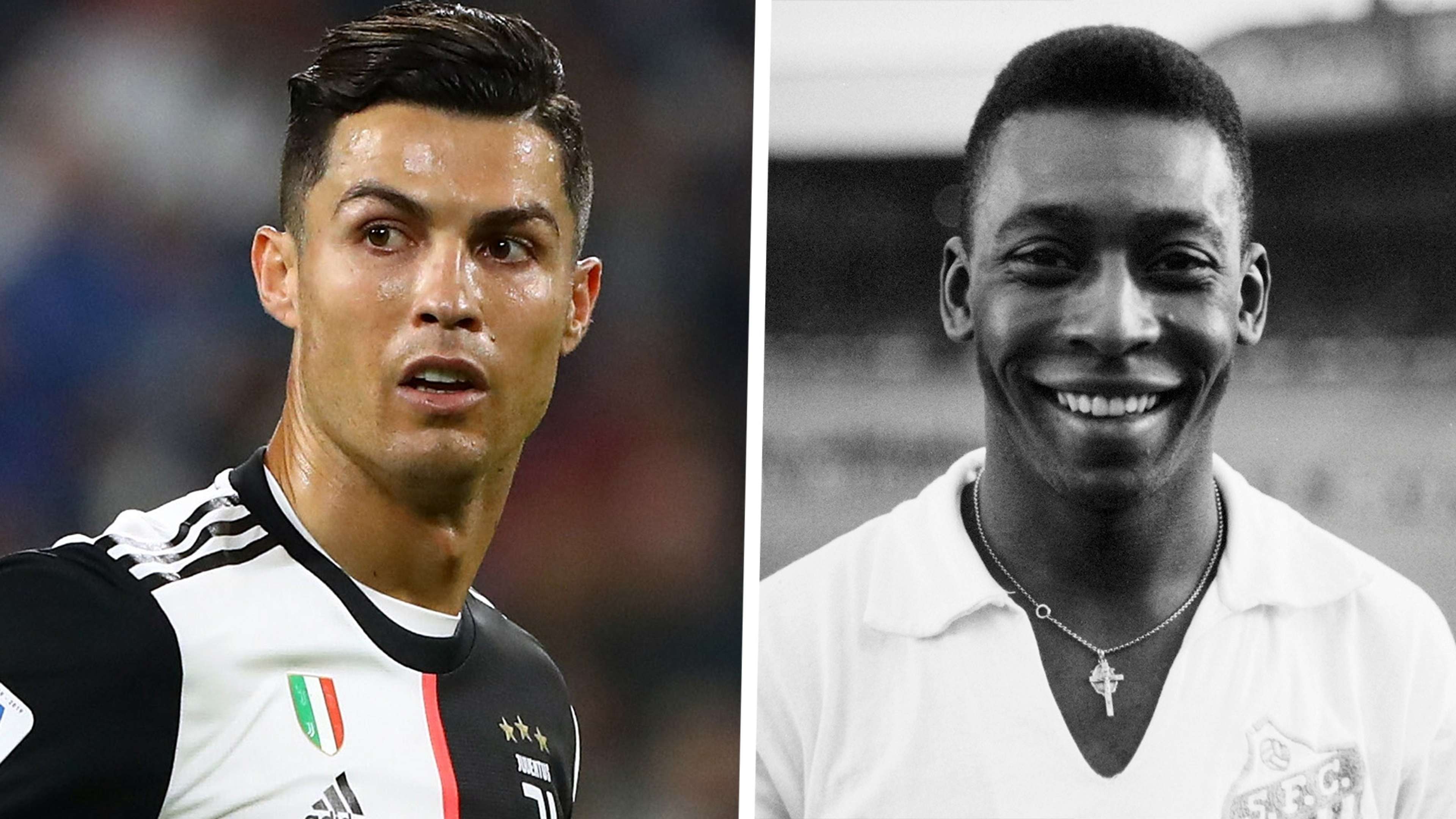
The comparison between Ronaldo and Pele spans generations, continents, and radically different eras of football. While both are universally recognised as all-time greats, their careers represent contrasting paths to immortality, shaped by the footballing environments of their time.
Pelé emerged in an era when football was still defining its global identity. Playing at a time with limited tactical organisation, fewer defensive structures, and harsher physical conditions, he became the sport’s first true global superstar. His influence extended far beyond the pitch, turning football into a worldwide spectacle.
You might also like

Live prediction Strategy: In-Play Investment Opportunities
02:40 agoCristiano Ronaldo, by contrast, rose in the modern era of elite performance analysis, sports science, and tactical sophistication. His greatness was forged through adaptation. Rather than relying solely on natural ability, Ronaldo continuously reshaped his game to remain decisive across leagues, systems, and stages of his career.
Pelé’s legacy is often inseparable from his World Cup success. He was a central figure in Brazil’s golden era, contributing decisively on the biggest stage and symbolising joy, creativity, and dominance. His impact transcended statistics, becoming part of football’s mythology. For many, Pelé is remembered not just for goals, but for defining what football could look like at its most expressive.
Ronaldo’s case is built on longevity and universality. He succeeded in multiple top leagues, adapted to different tactical demands, and maintained elite standards well into his later years. His goal-scoring records across domestic leagues and international competitions reflect relentless consistency rather than reliance on a single golden period.
Related Article
Milan Aim to Extend Unbeaten Run Against In-Form Calcio Como at San Siro
14:09 agoStylistically, Pelé embodied fluidity. He could dribble, pass, finish, and dominate physically without sacrificing elegance. His movement and decision-making appeared instinctive, shaped by freedom rather than structure. He thrived in moments where creativity was valued over calculation.
Ronaldo’s style reflects efficiency and precision. His movement in the box, aerial dominance, and finishing ability are products of repetition and discipline. Over time, he transitioned from a wide attacker into a penalty-area specialist, maximising output through positioning and timing rather than constant ball involvement.
The debate often turns to era context. Pelé played fewer matches, but in conditions that offered less protection and recovery support. Ronaldo competes in an era of relentless schedules, higher athletic demands, and intense tactical scrutiny. Each faced challenges unique to their time.
Leadership also separates their profiles. Pelé led as a symbol of collective joy, representing Brazil’s footballing identity on the world stage. Ronaldo leads through intensity and expectation, pushing standards through work ethic and competitiveness. Both forms of leadership proved effective, but in different cultural contexts.
Statistical comparisons between the two are inherently limited. Pelé’s era lacked comprehensive record-keeping, while Ronaldo’s career is documented in extreme detail. What can be compared, however, is impact. Both players changed how opponents prepared, how teammates played, and how fans understood greatness.
Another defining difference is global football evolution. Pelé helped introduce football to the world. Ronaldo exists in a world Pelé helped create, competing in an era where football is a global industry measured by numbers, reach, and longevity.
The question of who is greater depends on interpretation. If greatness is defined by pioneering influence, global symbolism, and tournament dominance, Pelé’s case is powerful. If greatness is defined by adaptability, sustained excellence, and statistical dominance across decades, Ronaldo’s argument is equally compelling.
Importantly, these definitions do not cancel each other out. They highlight how football greatness evolves. Pelé laid the foundation. Ronaldo expanded its limits.
Rather than choosing between them, football history benefits from recognising both as products of their time who transcended it. One made football global. The other proved how far human performance could be pushed within it.
Greatness, in the end, is not a single path. Pelé and Cristiano Ronaldo walked different roads to the same destination: immortality in football history.



No comments yet. Be the first to share your thoughts!