.jpg)
African Teams That Have Gone Far in the World Cup: Historic Runs That Changed Perception
For decades, African teams were viewed as outsiders at the FIFA World Cup — talented, athletic, but tactically naïve and unlikely to challenge the traditional powers. Over time, that perception has been shattered. Several African nations have produced unforgettable World Cup runs, proving that the continent belongs on football’s biggest stage.
Going “far” at the World Cup is not only about lifting the trophy. For African teams, reaching quarterfinals or semifinals has often meant breaking psychological, tactical, and political barriers. These journeys reshaped global respect for African football.
You might also like
Lens vs Monaco: Prediction, Preview, lineups
03:22 agoCameroon 1990: Africa Announces Itself to the World
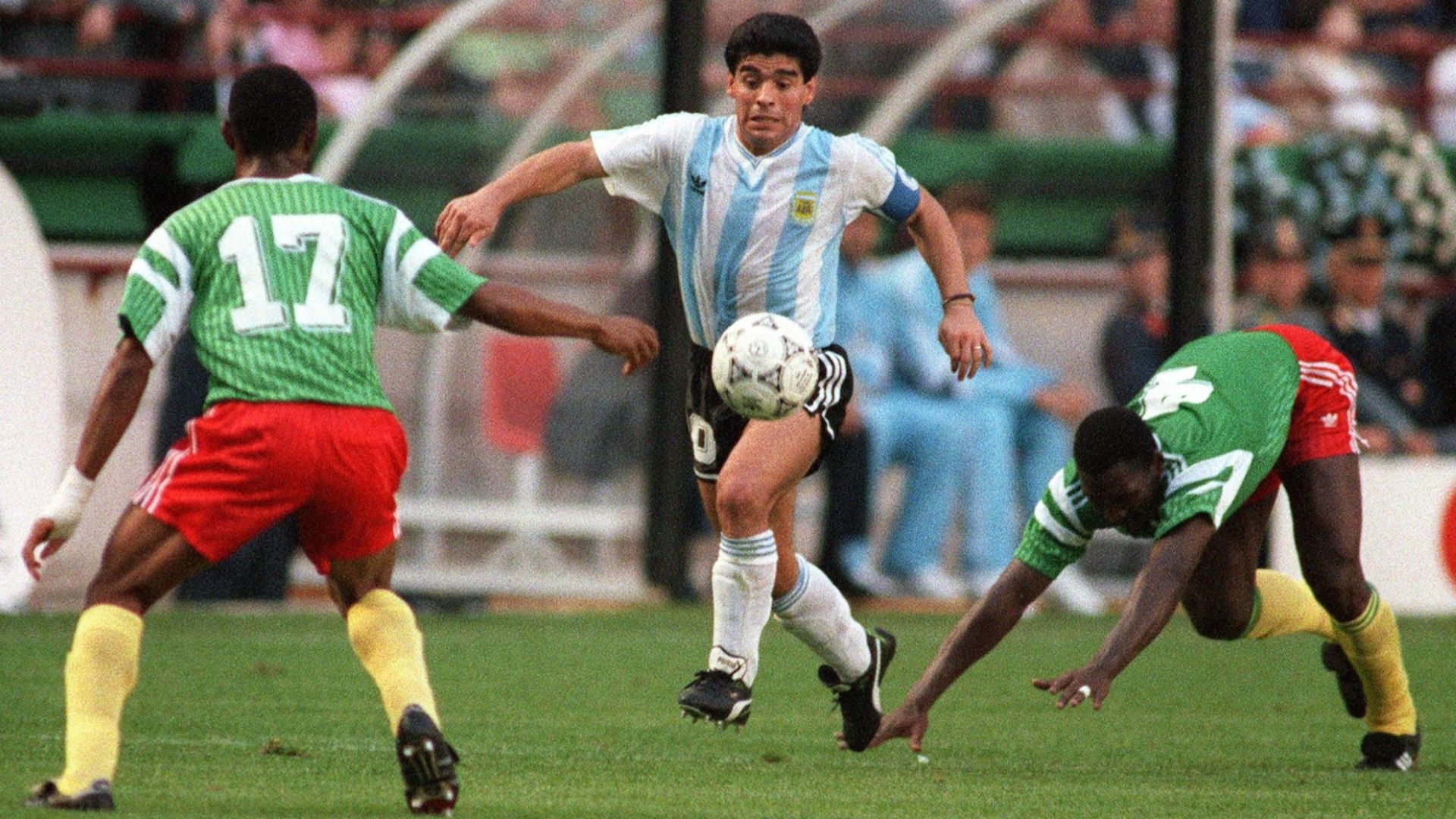
Cameroon were the first African nation to truly shake the football world. Their 1990 World Cup campaign remains one of the most iconic in tournament history.
Cameroon defeated reigning champions Argentina in the opening match, instantly rewriting expectations. They played with physical authority, tactical discipline, and fearless belief, advancing all the way to the quarterfinals.
Related Article

Best World Cup Teams That Didn’t Win: Football’s Greatest Near Misses
15:01 agoTheir dramatic exit only reinforced their legacy. Cameroon 1990 proved that African teams could outplay, outthink, and outfight elite opposition under the highest pressure.
Senegal 2002: Fearless Debutants, Instant Impact
Senegal made history at their first-ever World Cup appearance in 2002. Like Cameroon before them, Senegal announced their arrival by defeating the defending champions in the opening match.
Senegal’s journey to the quarterfinals was built on discipline, pace, and tactical balance. They were organized without losing attacking ambition, showing maturity beyond their experience.
Their run sent a clear message: African teams were no longer surprises — they were competitors.
Ghana 2010: One Kick Away from History
Ghana came closer than any African nation to reaching a World Cup semifinal. Playing on African soil in 2010, Ghana carried the hopes of an entire continent.
Their team blended youth, athleticism, and tactical structure. Match after match, they showed resilience and belief, reaching the quarterfinals in dramatic fashion.
Their exit remains one of football’s most painful moments, but Ghana’s run marked a turning point. It proved African teams could handle expectation as well as opportunity.
Morocco 2022: Breaking the Ultimate Barrier
Morocco rewrote African and Arab football history at the 2022 World Cup. For the first time ever, an African nation reached the semifinals.
Morocco’s success was built on defensive intelligence, collective sacrifice, and emotional unity. They defeated world champions and European giants with calm authority.
This was not a lucky run. It was a demonstration of modern football intelligence — compact defending, tactical discipline, and decisive moments.
Morocco’s achievement permanently changed what “going far” means for African teams.
Nigeria 1994 & 1998: Consistent Threats
Nigeriadid not reach semifinals, but their World Cup performances in 1994 and 1998 were among Africa’s most convincing.
Nigeria combined flair with structure, overwhelming opponents with pace and technical confidence. In both tournaments, they reached the knockout stages and were widely viewed as one of the most entertaining sides.
Their campaigns reinforced the idea that African teams could dominate matches, not just compete.
Algeria 2014: Tactical Maturity on Display
Algeria delivered one of Africa’s most tactically impressive World Cup performances in 2014.
Reaching the Round of 16, Algeria pushed one of the tournament favorites to the limit, displaying organization, pressing intelligence, and fearless attacking transitions.
Their performance marked Africa’s growing tactical evolution and adaptability at elite level.
What These Runs Have in Common
African teams that go far at the World Cup share key traits: unity, tactical clarity, physical readiness, and emotional belief. Raw talent alone has never been enough.
Success comes when preparation matches ability — when teams trust structure without losing identity.
Why African Teams Still Face Barriers
Despite these historic runs, African teams continue to face challenges. Limited preparation time, administrative instability, and lack of long-term planning often undermine momentum.
Yet, each deep World Cup run reduces those barriers. Experience builds confidence, and confidence changes expectations.
The Bigger Legacy
Every African team that goes far at the World Cup leaves more than memories. They leave proof — proof that African football belongs among the elite.
From Cameroon’s defiance to Morocco’s breakthrough, these journeys are milestones in a continuing story. The question is no longer whether Africa can go far at the World Cup — but when an African team will go all the way.










No comments yet. Be the first to share your thoughts!