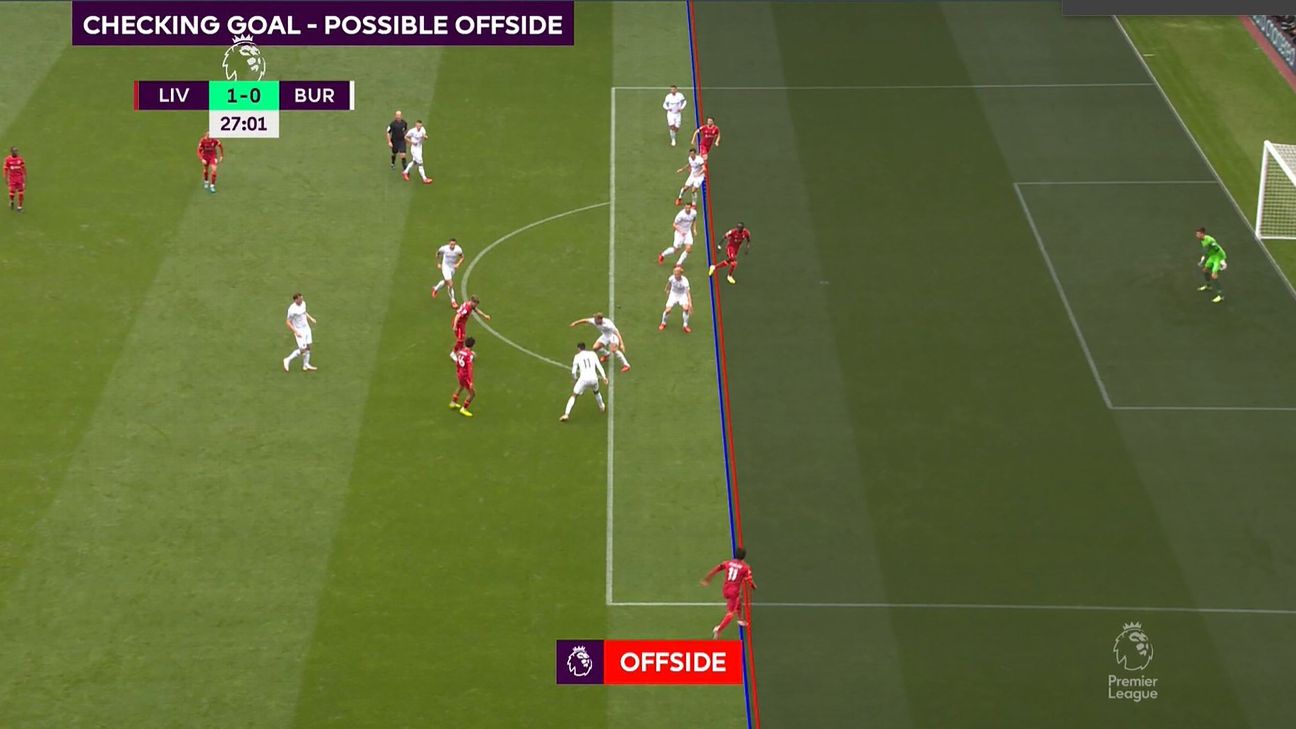
Few things frustrate football fans more than waiting for a VAR decision. The ball is in the net, celebrations begin, and then play stops — sometimes for minutes. Screens show replays, referees communicate, and the stadium grows restless.
VAR decisions take time not because officials are indecisive, but because the process involves multiple checks, strict protocols, and precision-based judgement.You might also like

Top 10 Greatest African Footballers of All Time
15:03 agoWhen VAR intervenes, it is rarely checking just one thing.
A single review can involve:
Related Article

How to Start Investing in Football prediction: Complete Beginner's Guide 2025
14:21 ago- Offside positioning
- Foul in the build-up
- Handball incidents
- Goalkeeper interference
- Red card offences
All of these must be assessed before a final decision is made.
Offside Checks Are Extremely PreciseOffside reviews are one of the biggest reasons for long VAR delays.
Officials must:
- Identify the exact frame the pass is played
- Check every legal scoring body part
- Draw calibrated lines accurately
Even a few centimetres can determine the outcome. Precision takes time.
VAR Reviews the Entire Attacking PhaseVAR doesn’t just look at the final shot.
It also checks:
- Whether a foul occurred earlier in the move
- If an offside player interfered with play
- If a handball occurred before the goal
If any offence is found in the attacking phase, the goal is disallowed — even if the finish itself was clean.
Why Replays Are Watched Multiple TimesVAR officials watch incidents repeatedly because:
- Different angles show different details
- Speed must be reduced for accuracy
- Contact and intent need careful judgement
What looks obvious in real time can appear very different in slow motion.
The Referee Still Makes the Final DecisionVAR does not replace the referee.
The process involves:
- VAR officials reviewing footage
- Communicating findings to the referee
- The referee deciding whether to review on the pitch
This back-and-forth communication adds time but preserves referee authority.
On-Field Reviews Add More TimeWhen a referee goes to the pitch-side monitor:
- Play must stop completely
- The referee re-watches the incident
- A personal judgement is made
This step ensures fairness but naturally extends the delay.
Why VAR Prioritises Accuracy Over SpeedVAR is designed to correct “clear and obvious errors.”
That means:
- Officials must be confident
- Guessing is avoided
- Marginal decisions are treated carefully
A rushed decision risks being wrong — and wrong decisions create bigger controversies than delays.
Why Some Decisions Still Feel InconsistentDespite long reviews, fans still see inconsistencies.
This happens because:
- Some rules require interpretation
- Contact thresholds vary
- Context affects judgement
VAR improves accuracy, but it cannot remove subjectivity entirely.
Why Crowd and Pressure Don’t Speed Things UpReferees are instructed to ignore:
- Crowd reactions
- Player protests
- Bench pressure
VAR decisions are deliberately isolated from emotion. Silence and time help officials focus on facts.
Why VAR Delays Feel Longer Than They ArePsychologically, VAR delays feel long because:
- Fans expect instant outcomes
- Emotions are high after goals
- Uncertainty creates tension
Even a one-minute delay can feel much longer in a decisive moment.
Why Extra Time Is Added After VAR DelaysVAR stoppages are fully added to extra time.
This ensures:
- Fair playing duration
- No advantage from delays
- Consistency in officiating
Long VAR reviews often explain unusually high added time.
Why VAR Is Still Used Despite FrustrationWithout VAR:
- Incorrect goals would stand
- Red card errors would go uncorrected
- Title and relegation decisions could be unfair
VAR is imperfect, but it reduces major mistakes that previously decided matches incorrectly.
How This Helps You Understand Live MatchesKnowing why VAR takes time helps fans:
- Stay patient during reviews
- Understand referee decisions
- Interpret momentum changes
VAR decisions take time because football demands accuracy in moments that can change everything. Each replay, angle, and pause exists to protect fairness — not to frustrate fans.
While delays may feel painful, they exist to ensure the right decision is made, not the fastest one.
In modern football, correctness outweighs speed.





No comments yet. Be the first to share your thoughts!