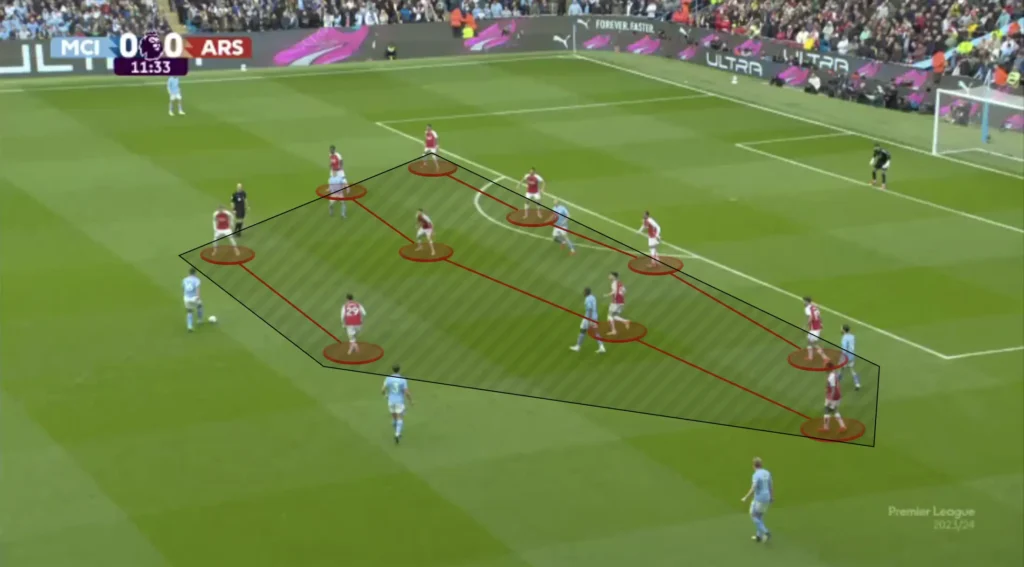
One of the most common patterns in football happens immediately after a team scores: the defensive line drops, possession is conceded, and pressure increases. Fans often complain that teams “invite danger” by defending deep. In reality, teams defend deep after scoring because protecting space feels safer than chasing control in emotionally unstable moments.
You might also like
Fenerbahçe 0–1 Aston Villa – Match Review
04:24 agoThis behaviour is psychological, tactical, and physical — not accidental.
Scoring a Goal Changes the Mental State InstantlyA goal creates an emotional spike.
Related Article
World Cup 2026 Match Schedule Explained
03:56 ago- Adrenaline rises
- Concentration briefly drops
- Fear of immediate response increases
Defending deep is a natural reaction to regain stability.
Defending Space Feels Safer Than PressingAfter scoring, teams prioritise space over possession.
- Dropping deep reduces space behind defenders
- It limits direct balls over the top
- It protects against quick counter-attacks
Especially against fast attackers, depth feels like security.
Why Coaches Encourage Compactness After GoalsManagers often shout instructions immediately after scoring.
- “Stay compact”
- “No risks”
- “First five minutes”
The minutes after a goal are considered the most dangerous.
The Opponent Becomes Emotionally AggressiveConceding a goal triggers urgency.
- The losing team presses higher
- Midfielders push forward
- Defenders take more risks
Defending deep absorbs this surge instead of fighting it.
Why Teams Rarely Keep Pressing After ScoringHigh pressing requires organisation.
- Lines must stay connected
- Triggers must be timed
- Energy must be controlled
After scoring, structure briefly collapses, making pressing risky.
Protecting the Lead Becomes the PriorityOnce ahead, game objectives change.
- Risk tolerance drops
- Decision-making becomes conservative
- A draw now feels like a loss
Defending deep reduces exposure.
Why Full-Backs Stop OverlappingAfter scoring, full-backs often stay back.
- Prevent wide counter-attacks
- Maintain back-line balance
- Reduce recovery sprint demands
This naturally pushes the entire team deeper.
Fatigue Plays a Role Later in MatchesIf the goal comes late:
- Energy reserves are already low
- Recovery runs are slower
- Compact defending feels manageable
Pressing becomes unrealistic.
Why Teams “Invite Pressure” Instead of Avoiding ItInviting pressure can be intentional.
- Forces predictable attacks
- Creates counter-attacking chances
- Allows clear defensive roles
Controlled suffering is sometimes strategic.
Why This Often BackfiresDefending deep carries risks.
- Clearances invite repeat pressure
- Defensive lines drop too far
- Mistakes increase under stress
Without possession relief, pressure compounds.
Why Big Teams Resist Dropping DeepElite teams behave differently.
- They retain possession after scoring
- They use the ball to slow tempo
- They defend by attacking
Quality and confidence allow control instead of retreat.
Why Fans Hate This BehaviourFans react emotionally because:
- Pressure feels unnecessary
- Leads feel fragile
- Goals conceded feel avoidable
Emotion clashes with tactical caution.
Why Some Teams Are Better at Defending DeepDeep defending works when teams:
- Maintain compact lines
- Clear decisively
- Transition quickly when winning the ball
Organisation is more important than bravery.
How This Helps You Read Live MatchesUnderstanding this helps fans:
- Anticipate post-goal pressure
- Recognise dangerous phases
- Understand tactical shifts
Goals do not calm matches — they destabilise them.
Final ThoughtsTeams defend deep after scoring because football punishes emotional instability. Dropping back restores structure, limits exposure, and buys time to regain control.
In football, the minutes after scoring are often more dangerous than the minutes before.









No comments yet. Be the first to share your thoughts!