
Many football fans notice a clear pattern during matches: challenges that are ignored early suddenly become fouls or yellow cards late on. This often feels inconsistent or unfair. In reality, referees allow more physical play early but tighten control late because match context, player safety, and emotional intensity change over time.
Understanding this explains why refereeing thresholds evolve as the game progresses.
You might also like

Atlético Target Barco as Chelsea Competition Looms, but Major Obstacle Emerges
10:47 agoIn the opening stages, referees focus on game flow.
- They observe player behaviour
- They establish tolerance levels
- They avoid unnecessary early disruption
Related Article
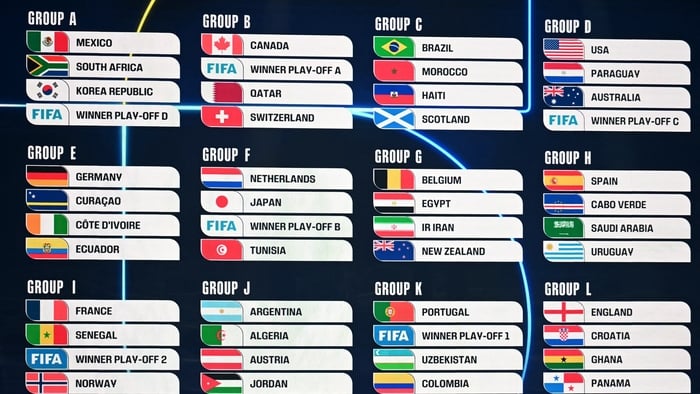
Group-Stage Favorites vs Knockout Favorites: Why They Are Often Different
04:15 agoWhistling every contact early can make matches stop-start.
Players Are Physically Fresh Early OnFresh players control their bodies better.
- Timing is sharper
- Challenges are more controlled
- Recovery is faster
This allows referees to tolerate more physical duels safely.
Early Fouls Rarely Decide MatchesIn the opening minutes:
- No desperation exists
- Scorelines are neutral
- Momentum is still forming
Referees avoid heavy sanctions before patterns develop.
Referees Use Early Minutes to Read IntentNot all fouls are equal.
- Some contact is accidental
- Some challenges are mistimed
- Some fouls are tactical
Early tolerance helps referees distinguish intent.
Why Thresholds Change as the Match ProgressesAs fatigue increases:
- Timing worsens
- Challenges become reckless
- Player safety risks rise
Referees tighten control to prevent injuries.
Late Fouls Have Bigger ConsequencesLate in matches:
- Set pieces become decisive
- Yellow cards carry more weight
- Momentum shifts instantly
Small fouls can decide outcomes, so thresholds lower.
Emotions Are Harder to Control LateFatigue fuels frustration.
- Players react emotionally
- Retaliation risk increases
- Arguments escalate quickly
Stricter officiating prevents loss of control.
Why Tactical Fouls Are Punished More LateLate tactical fouls are obvious.
- They stop counters deliberately
- They waste time
- They target tired attackers
Referees punish them to protect fairness.
Why Time-Wasting Is Ignored Early but Booked LateEarly delays have minimal impact.
- Plenty of time remains
- Game rhythm is intact
- No urgency exists
Late delays directly affect outcomes and are punished.
Why Referees Become Less Tolerant Near the Box LateClose to goal:
- Contact can lead to penalties
- Defenders take desperate risks
- Attacking danger increases
Late fouls here are treated strictly.
Why Players Feel Referees Are InconsistentFans and players feel inconsistency because:
- The same contact occurs at different moments
- Match context changes decisions
- Referees manage risk dynamically
Consistency exists within context, not moments.
Why VAR Has Reinforced Late StrictnessVAR scrutiny increases late.
- Decisive moments are reviewed
- Late penalties are magnified
- Officials become cautious
Accuracy becomes paramount.
Why Early Leniency Prevents Late ChaosControlled tolerance early:
- Allows players to adapt
- Reduces early tension
- Prevents card-heavy matches
This creates a calmer match environment.
How This Helps You Read Live MatchesUnderstanding this helps fans:
- Predict late yellow cards
- Anticipate stricter whistles
- Understand changing thresholds
Refereeing evolves with the game.
Final ThoughtsReferees allow more physical play early but tighten control late because football becomes more dangerous, emotional, and decisive as time runs out. What feels inconsistent is actually risk management.
In football, the referee doesn’t change — the game does.





No comments yet. Be the first to share your thoughts!