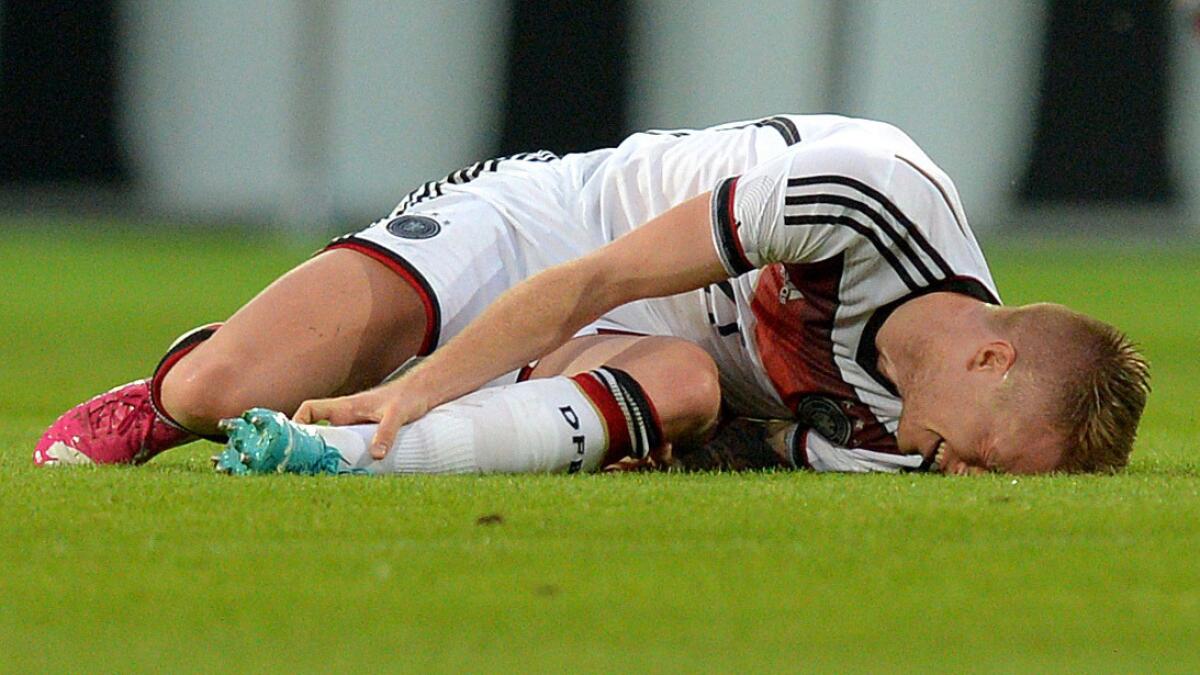
Understanding this explains why minimal contact can still stop play.
You might also like

Common prediction Mistakes That Cost Football Bettors Money (And How to Avoid Them)
15:19 agoDespite physicality, football is not classified as a contact sport.
This means:
Related Article

Who Are the Favorites to Win the World Cup 2026?
04:08 ago- Late challenges are penalised
- Careless contact is punishable
- Defenders must play the ball cleanly
When contact occurs, attackers are entitled to protection.
Why Staying on Your Feet Can Be RiskyRemaining upright can disadvantage attackers.
If a player stays up:
- The referee may see no foul
- The advantage can disappear
- The defence can recover
Going down makes the infringement visible and forces a decision.
Winning Fouls Is a Tactical SkillTop players are taught how to:
- Place their body between ball and defender
- Invite contact legally
- Protect possession under pressure
When contact comes, falling ensures the foul is recognised.
Why Referees Judge Impact, Not IntentionReferees assess:
- Whether contact occurred
- Whether it affected balance or movement
- Whether the challenge was careless
Intent to foul is not required for a free kick.
Speed Makes Light Contact Look HeavyAt full sprint:
- Small touches disrupt balance
- Stud contact magnifies impact
- Momentum increases the fall
What looks soft in slow motion can be decisive in real time.
Why Players Go Down Near the BoxClose to goal, the reward is higher.
Going down near the area can:
- Win free kicks
- Draw penalties
- Create scoring opportunities
Risk-reward calculation changes in dangerous zones.
VAR Has Changed Player BehaviourVAR reviews contact closely.
Players know:
- Clips are replayed in slow motion
- Contact is easier to spot
- Referees are less likely to ignore fouls
This encourages attackers to ensure contact is visible.
Why Defenders Are Penalised More Easily NowModern officiating emphasises:
- Player safety
- Control over physical challenges
- Reducing dangerous play
Defenders must be precise, or they risk punishment.
Difference Between Going Down and DivingThere is a clear distinction.
- Going down: Contact exists and causes imbalance
- Diving: No contact, deliberate deception
Diving is punishable; drawing a foul is not.
Why Some Falls Look ExaggeratedPlayers may exaggerate because:
- Referees need clear signals
- Subtle fouls are easily missed
- Game speed reduces visibility
Exaggeration increases detection, not advantage.
Why Fans React Strongly to Easy FallsFans dislike it because:
- It feels dishonest
- Momentum is stopped
- Emotion clouds judgement
However, players operate within the rules they are given.
Why Players Keep Doing ItPlayers go down easily because:
- It works
- It wins fouls
- It protects possession
Until rules change, behaviour follows incentives.
How This Helps You Read Live MatchesUnderstanding this helps fans:
- Recognise genuine contact
- Understand referee decisions
- Separate fouls from dives
It explains why some falls are rewarded.
Final ThoughtsPlayers go down easily because modern football prioritises safety, visibility, and fairness. Staying upright can cost teams advantages, while going down ensures fouls are seen and punished.
In football, perception often determines decisions as much as contact.









No comments yet. Be the first to share your thoughts!