
Few decisions in football cause as many immediate arguments as throw-ins. Players shout, point, and appeal even when the call seems obvious. This isn’t just emotion. Players argue over throw-in decisions because throw-ins affect momentum, positioning, and control — especially during fast phases of play.
Understanding this explains why a simple restart can spark so much debate.
You might also like
.jpg?auto=webp&format=pjpg)
Arsenal Consider January Move for Yildiz as Contract Talks Stall
10:49 agoA throw-in determines who controls the next phase.
- Possession can relieve pressure
- Possession can restart an attack
- Losing it can invite danger
Related Article
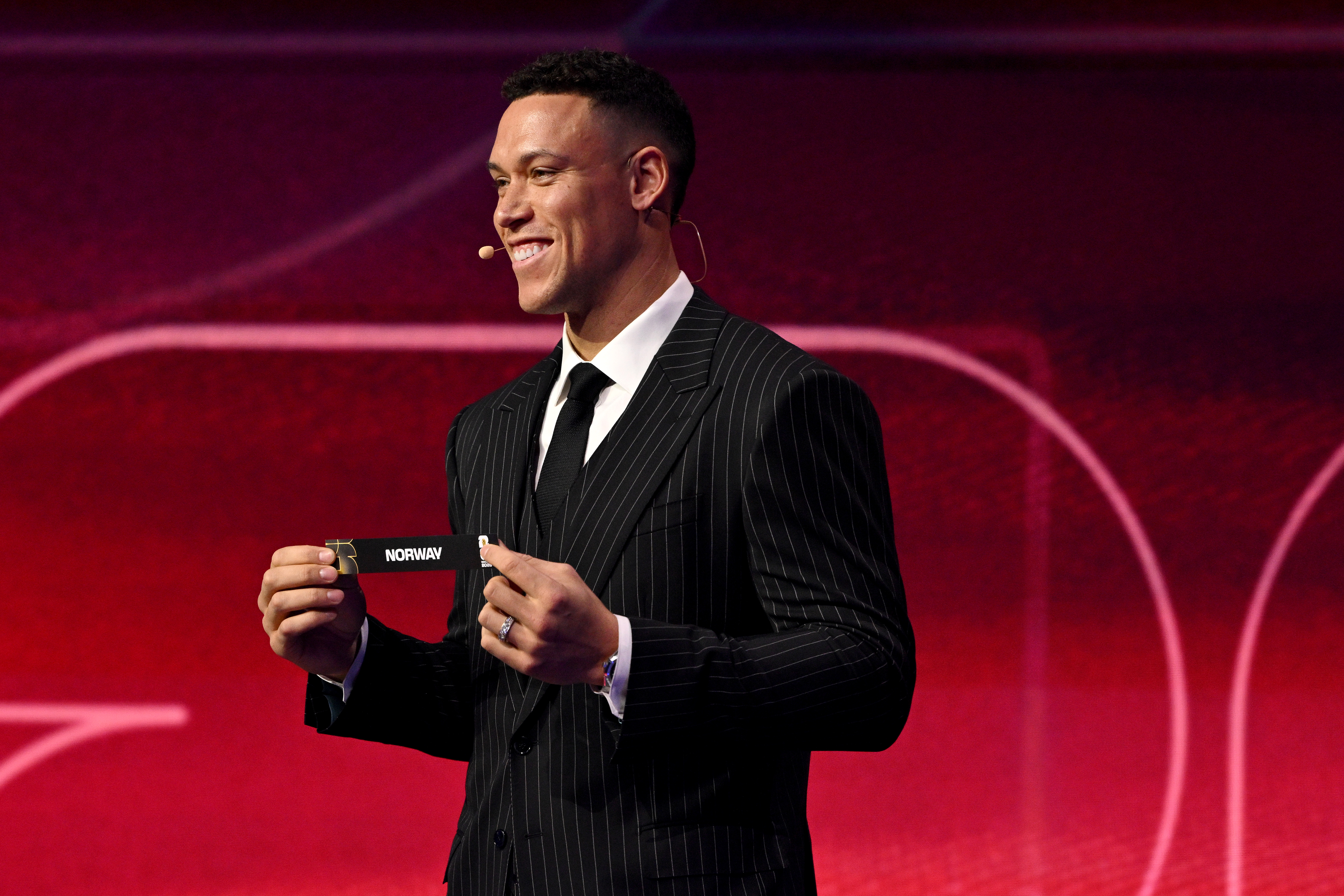
Solbakken On World Cup Final Draw: We're happy to be here
05:39 agoThat immediate swing makes players react instinctively.
Margins Are Extremely SmallMost throw-in decisions are tight.
- The ball often deflects slightly
- Multiple players touch it in quick succession
- Direction changes are subtle
Even players involved may genuinely be unsure.
Players Have Poor Viewing AnglesOn the pitch, perspective is limited.
- Players see from ground level
- Peripheral vision is restricted
- Speed distorts judgement
What looks obvious on TV is unclear in real time.
Why Players Appeal AutomaticallyAppealing costs nothing.
- No punishment for asking
- A chance to influence the decision
- Possible hesitation from the official
Raising an arm is a reflex, not a calculation.
Throw-Ins Can Create Attacking PlatformsModern football uses throw-ins tactically.
- Quick throws launch counters
- Long throws act like set pieces
- Wide restarts stretch defences
Winning a throw-in in the final third matters.
Why Defenders Argue More Than AttackersDefenders fear consequences.
- A lost throw-in can lead to pressure
- Positioning may be unbalanced
- Recovery time is limited
Arguing is a reaction to danger, not possession.
Why Referees Rarely Change Throw-In DecisionsOfficials commit quickly.
- They rely on assistant referees
- They make instant judgements
- There is no VAR review
Once given, the decision almost always stands.
Why Players Point Confidently (Even When Wrong)Confidence influences perception.
- Strong gestures suggest certainty
- Hesitation weakens appeals
- Team-mates join protests
Conviction is part of the appeal.
Why Throw-In Arguments Increase Late in MatchesLate-game pressure amplifies reactions.
- Every possession feels decisive
- Fatigue lowers emotional control
- Time feels scarce
Small decisions feel huge late on.
Why Crowd Noise Fuels Throw-In DisputesCrowds influence intensity.
- Home fans react loudly
- Officials feel pressure
- Players feed off reactions
Noise magnifies perceived injustice.
Why VAR Is Not Used for Throw-InsThrow-ins are excluded from review.
- They are considered low-impact decisions
- Reviews would slow the game
- Flow is prioritised
This makes on-field judgement final.
Why Quick Throw-Ins Reduce ArgumentsSpeed ends debate.
- Fast restarts prevent protests
- Officials discourage delays
- Opponents lose the chance to argue
Quick play beats controversy.
Why Some Teams Specialise in Throw-InsCoaches exploit margins.
- Set throw-in routines
- Overloads in wide areas
- Planned movements
This increases the value of every decision.
How This Helps You Read Live MatchesUnderstanding throw-in arguments helps fans:
- Recognise momentum battles
- Ignore exaggerated protests
- Anticipate quick restarts
Throw-ins are small moments with big impact.
Final ThoughtsPlayers argue over throw-in decisions because possession, pressure, and positioning are always at stake. In a fast game with narrow margins, even the simplest restarts matter.
In football, control often begins with the ball going out of play.







No comments yet. Be the first to share your thoughts!