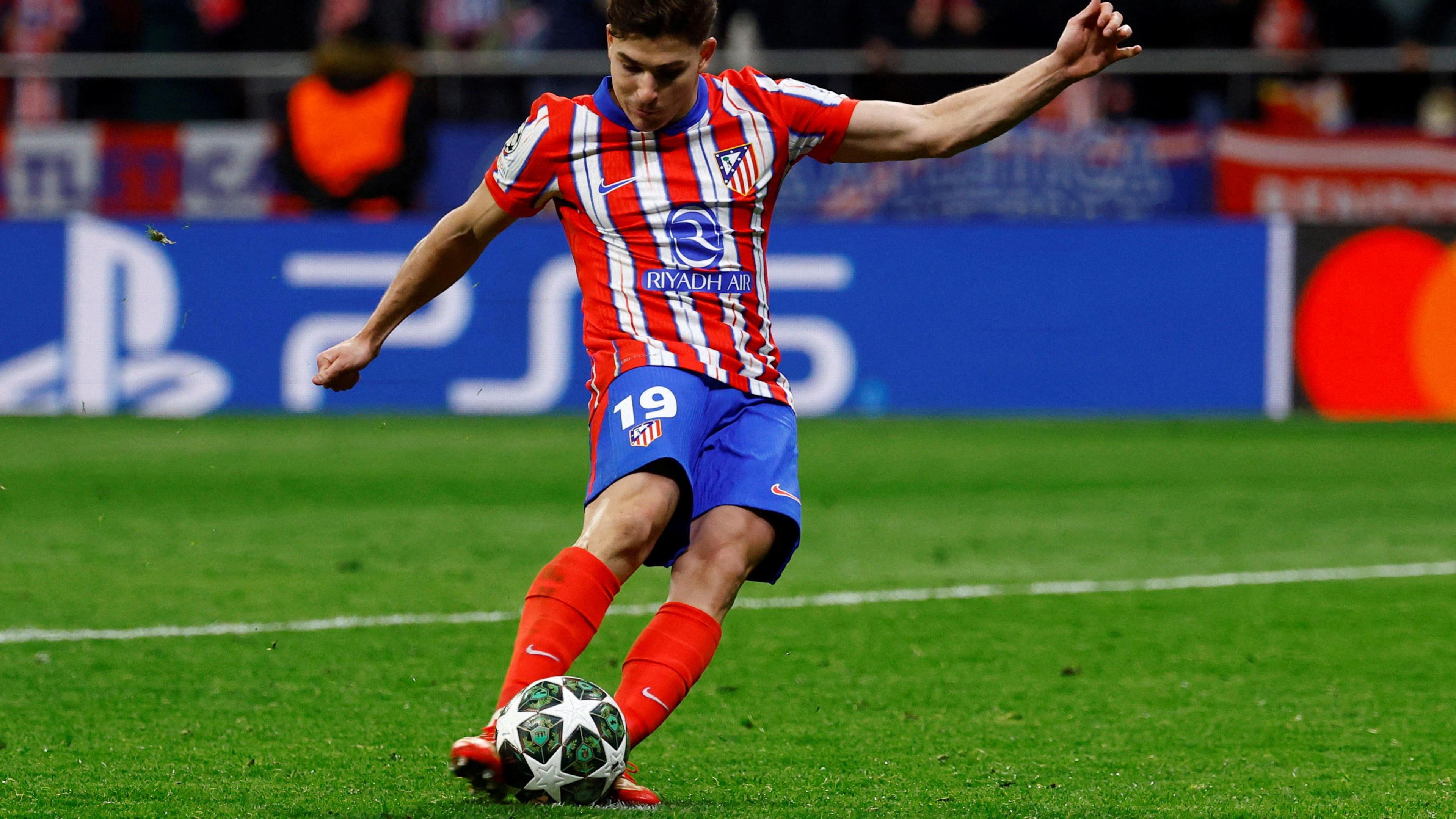
Understanding these rules explains why penalties sometimes have to be taken again.
You might also like
BTTS prediction Strategy: When Both Teams to Score Makes Sense
14:15 agoEncroachment occurs when players enter the penalty area too early.
This includes:
Related Article

Neymar Injury Update: What Happened, How Serious It Is, and What Comes Next for the Brazilian Star
16:33 ago- Attackers stepping inside before the kick
- Defenders entering early to clear rebounds
- Players moving off the arc too soon
If encroachment affects the outcome, the referee can order a retake.
Goalkeeper Movement Is Strictly ControlledGoalkeepers must follow specific rules.
At the moment of the kick:
- At least one foot must be on or in line with the goal line
- The keeper cannot move forward early
- Lateral movement is allowed, forward movement is not
If the goalkeeper moves too early and gains an advantage, the penalty is retaken.
Why Some Saves Are DisallowedA saved penalty can still be retaken.
This happens when:
- The goalkeeper leaves the line early
- The early movement clearly affects the save
- VAR confirms the infringement
The save may look impressive, but the rules still apply.
Why Scored Penalties Can Be RetakenEven goals from penalties can be cancelled.
A retake may be ordered if:
- An attacking player encroaches and scores the rebound
- The penalty taker stops illegally during the run-up
- A double touch occurs
Illegal execution invalidates the goal.
Double Touch ViolationsA penalty taker cannot touch the ball twice in succession.
This includes:
- The ball rebounding off the post back to the taker
- A slip that causes a second contact
If a double touch occurs, the goal is disallowed and play restarts accordingly.
Why VAR Gets Involved in Penalty RetakesVAR closely monitors penalties.
It checks:
- Goalkeeper foot position
- Encroachment timing
- Illegal movement during the kick
Because penalties often decide matches, accuracy is prioritised.
Why Some Retakes Result in Yellow CardsGoalkeepers can be cautioned for repeated offences.
Referees may:
- Warn first-time infringements
- Book repeat warnings
- Enforce discipline to prevent abuse
This is designed to maintain fairness.
Why Fans See More Retaken Penalties NowRetaken penalties are more common because:
- VAR spots small infringements
- Rules are enforced more strictly
- Officials are less lenient on movement
In the past, many of these offences went unnoticed.
Why Referees Sometimes Ignore EncroachmentNot all encroachment leads to a retake.
Referees consider:
- Whether the infringement impacted play
- Who gained an advantage
- The outcome of the kick
Minor encroachment without impact may be ignored.
Psychological Impact of a Retaken PenaltyRetakes increase pressure dramatically.
For players:
- Confidence can drop
- Decision-making becomes harder
- Momentum may shift
A second attempt is often more difficult than the first.
Why Retakes Feel Unfair to FansFans react strongly because:
- The moment feels decisive
- Celebrations are interrupted
- Rules seem overly strict
Emotion clashes with regulation in high-pressure moments.
When Penalties Are Rarely RetakenPenalties usually stand when:
- All players remain outside the box
- The goalkeeper holds the line
- The kick is cleanly executed
Clear penalties are resolved quickly.
How This Helps You Read Live MatchesUnderstanding retakes helps fans:
- Anticipate VAR checks
- Understand referee whistles
- Stay calm during delays
It explains why penalties are rarely simple moments.
Final ThoughtsPenalties are retaken to protect fairness in one of football’s most decisive situations. Strict rules ensure that no player gains an unfair advantage—no matter how small the movement.
In modern football, precision matters as much as power.

No comments yet. Be the first to share your thoughts!