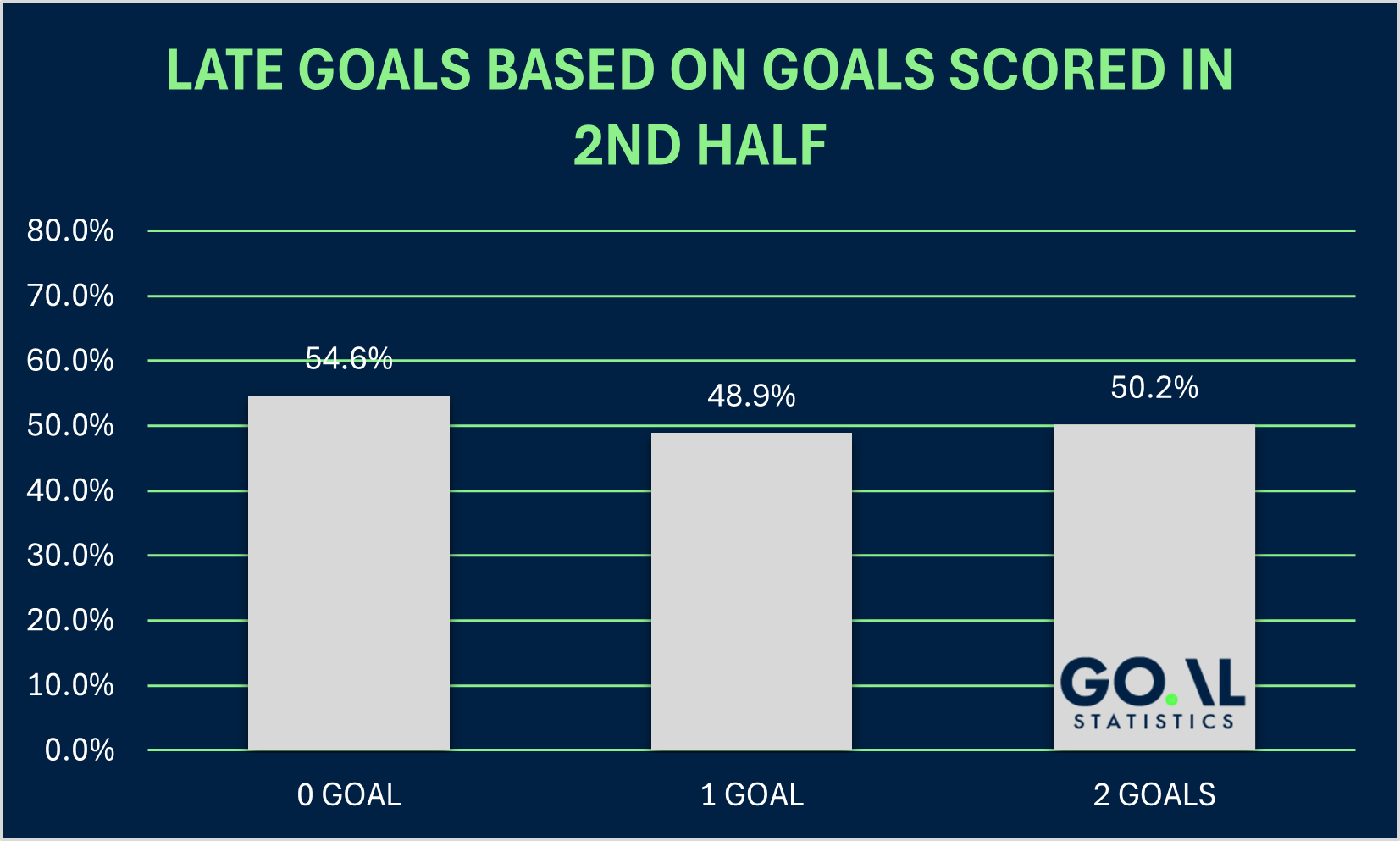
Understanding this explains why patience often pays off.
You might also like
What Is the World Cup 2026 and How Does It Work?
03:49 agoAs matches progress:
- Reaction times slow
- Recovery runs weaken
- Defensive spacing increases
Related Article

Why Underdogs Perform Better in Cup Competitions
13:50 agoSmall physical drops create openings that didn’t exist earlier.
Defensive Concentration Drops LateMental focus is hardest to maintain for 90 minutes.
Late in games:
- Marking lapses increase
- Communication breaks down
- Positioning errors appear
Goals often come from tiny mistakes, not brilliance.
Halftime Tactical Adjustments MatterManagers use halftime to:
- Identify weaknesses
- Change pressing triggers
- Adjust attacking patterns
Second halves are rarely repeats of first-half tactics.
Scoreline Pressure Forces RiskThe clock changes behaviour.
In the second half:
- Trailing teams must attack
- Leading teams protect space
- Draws feel less acceptable
Risk replaces caution, opening the game.
Substitutions Increase TempoFresh players shift momentum.
Substitutes often:
- Attack tired defenders
- Increase pace immediately
- Take more direct options
Energy imbalance leads to chances.
Pressing Becomes Less OrganisedEarly pressing is structured.
Later:
- Pressing lines disconnect
- Triggers are mistimed
- Space opens between units
Broken pressing systems invite goals.
Why Set Pieces Decide Second HalvesFatigue increases fouls and errors.
This leads to:
- More free kicks
- More corners
- More defensive scrambling
Set pieces exploit tired legs and poor marking.
Psychological Urgency Peaks LateEmotion influences execution.
Late in matches:
- Decisions are rushed
- Clearances lack accuracy
- Risk-taking increases
Chaos replaces control.
Why First Halves Are More CautiousEarly minutes focus on:
- Structure
- Information gathering
- Avoiding early mistakes
Second halves reflect urgency rather than patience.
Why Goals Cluster After the First OneOnce a goal is scored:
- Shape collapses
- Momentum swings
- Teams chase responses
One goal often leads to several more.
Why Added Time Boosts Goal CountsModern matches feature long added time.
This means:
- Extended pressure phases
- More attacking numbers forward
- Higher emotional stakes
Late goals become more likely.
Why Fans Expect Late GoalsExperience teaches fans that:
- Games rarely end quietly
- Pressure accumulates
- Defensive cracks appear late
Second halves carry decisive moments.
When Second-Half Goals Don’t ComeLow-scoring matches persist when:
- Both teams manage energy well
- Defensive discipline holds
- Risk is controlled
Control can still defeat chaos.
How This Helps You Read Live MatchesUnderstanding this helps fans:
- Stay patient early
- Anticipate late chances
- Recognise fatigue signs
It explains why the game often wakes up after halftime.
Final ThoughtsMatches have more goals in the second half because football punishes fatigue and rewards urgency. As structure fades and risk rises, opportunities appear.
In football, time is often the most powerful attacker.






No comments yet. Be the first to share your thoughts!