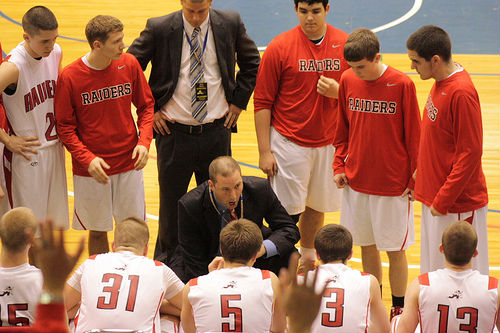
In basketball, timeouts are not just pauses in play — they are strategic tools. Throughout a game, coaches save timeouts for specific moments, but one of the most noticeable trends is when timeouts are called late in games, especially in the final minutes or crucial possessions.
Fans see it every season: a team trailing, a tight scoreline, and suddenly the coach calls a timeout. But why exactly do coaches call timeouts late in basketball? The answer involves strategy, psychology, and game management under pressure.
You might also like

How to Start Investing in Football prediction: Complete Beginner's Guide 2025
14:21 agoTimeouts pause game time and give the coach and players a moment to reset. They are used to:
- Stop the opponent’s momentum
- Draw up a play
- Rest key players
- Adjust defence or offence
- Manage the clock
Related Article

League Position and Motivation: Understanding Team Psychology
11:23 agoIn late situations, these functions become even more critical.
Stopping MomentumOne of the main reasons coaches call timeouts late is to halt a run by the opposition.
During a scoring run:
- Confidence builds for the other team
- Defensive lapses can grow
- Fans and rhythm shift
A timeout interrupts that flow and gives the coach time to regroup the team mentally and tactically.
Drawing Up a Critical PlayIn the last minutes of a tight game, every possession matters. Coaches use timeouts to:
- Set a specific offensive play
- Plan a defensive trap or switch
- Identify mismatches to exploit
Without a timeout, players might run a generic play or make poor decisions under pressure.
Resting Key PlayersFatigue has a direct impact on performance, especially late in games when:
- Shots need precision
- Defence requires focus
- Decision-making must be sharp
Time for breath and regrouping can give an edge, even if only for a possession or two.
Managing the ClockClock management in basketball is vital. Timeouts allow teams to:
- Preserve time for late possessions
- Ensure they are not running down the clock unintentionally
- Plan end-of-game inbounds plays
In tight games, proper use of timeouts can decide who gets the final shot.
Communicating AdjustmentsLate in games, teams often need tactical tweaks, such as:
- Switching defensive coverage
- Changing pick-and-roll assignments
- Altering offensive rhythm
During live play, communication at full speed is difficult. Timeouts let coaches ensure everyone understands the plan.
Breaking Pressure SituationsPressure affects performance. Late in close games:
- Players may rush shots
- Defensive collapses can occur
- Turnovers become costly
A timeout resets focus and reduces rushed decisions.
Psychological ImpactTimeouts can have a psychological effect on both teams.
For the team calling them:
- Confidence may improve
- Focus can sharpen
For the opposing team:
- Rhythm can be disrupted
- Momentum can stall
This battle for mental advantage is a key factor in timeout strategy.
Situations Where Timeouts Matter MostTimeouts are especially impactful when:
- The game is within 5 points late
- An opponent has built a run
- Final inbounds play needs design
- Foul and clock management is crucial
In these moments, timeout use can change the outcome.
Timeout Rules That Influence StrategyDifferent leagues have specific timeout rules that affect decisions:
- When timeouts reset after quarter breaks
- How many timeouts remain
- Whether unused timeouts convert to bonus benefits
Understanding these rules helps explain why coaches call them when they do.
Why Some Fans Disagree With Late TimeoutsSome fans feel timeouts break the flow of the game, especially in exciting moments. However:
- Coaches prioritise execution over flow
- Time management is part of gamecraft
- Strategic pauses can prevent mistakes
What feels disruptive to fans can be beneficial for teams trying to win.
How Timeouts Relate to Live Match UnderstandingSeeing when and why timeouts are used helps fans interpret the dynamics of close games. It reveals:
- Coach confidence levels
- Game plans under pressure
- Team rhythm adjustments
Timeouts are more than simple breaks — they are strategic opportunities that can change the course of a game. Coaches call them late because every possession and every decision becomes more valuable in the final moments.
Understanding the “why” behind timeout decisions helps fans make better sense of game flow and competitive dynamics.


No comments yet. Be the first to share your thoughts!