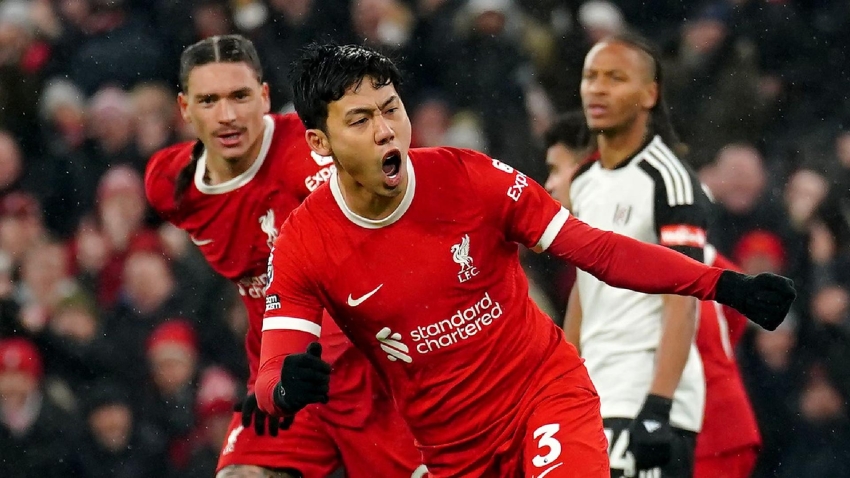
Late goals are a recurring feature of football because the human element becomes more influential as the match approaches its conclusion.
You might also like
Why Red Cards Completely Change Football Matches
19:26 agoStatistical analysis across leagues consistently shows a spike in goals during the final 15 minutes of matches.
This happens because:
Related Article
Luka Dončić Injury Update: Managing Physical Load, Short-Term Absence, and Long-Term Expectations
16:41 ago- Physical fatigue reduces defensive sharpness
- Mental focus declines under sustained pressure
- Urgency replaces structure
As order breaks down, mistakes increase—and football punishes mistakes.
Physical Fatigue and Reaction TimeBy the final stages of a match, players are operating under extreme physical stress.
Fatigue leads to:
- Slower recovery runs
- Late tackles
- Poor defensive positioning
- Reduced jumping and acceleration
Defenders are often required to react instantly to danger. When fatigue slows reaction time by even a fraction, the margin for error disappears.
Late goals are frequently the result of legs that can no longer keep up with the mind.
Mental Fatigue and Loss of ConcentrationMental exhaustion is just as damaging as physical fatigue.
Over 90 minutes, players must:
- Track opponents
- Maintain positional discipline
- Communicate constantly
As concentration fades:
- Runners go unmarked
- Clearances lose accuracy
- Defensive lines lose cohesion
Many late goals come from simple lapses rather than tactical brilliance.
The Psychological Weight of TimeAs the clock runs down, time itself becomes an opponent.
Players begin to:
- Rush decisions
- Play emotionally instead of logically
- Abandon structure for urgency
For teams chasing a goal, desperation grows. For teams defending a lead, fear of conceding increases. Both emotional states reduce decision quality.
Pressure alters behaviour.
Game State and DesperationLate goals are heavily influenced by game state.
When a team is trailing:
- Defenders push forward
- Midfielders abandon caution
- Shape becomes unbalanced
This creates chaos—sometimes productive, sometimes costly.
The defending team, meanwhile, often drops deeper, inviting pressure rather than controlling it. This passive approach increases the likelihood of conceding.
Why Defending a Lead Is Mentally Harder Than ChasingProtecting a lead requires extreme focus.
Leading teams often:
- Stop pressing
- Defend closer to their box
- Clear rather than build
This invites sustained pressure. Each attack survived increases tension, not relief.
Psychologically, defending a lead is exhausting because the fear of one mistake outweighs the confidence of previous success.
Substitutions and Emotional ImbalanceLate substitutions play a key role in late goals.
Fresh players:
- Press with more energy
- Make aggressive forward runs
- Attack tired defenders
Defenders facing fresh attackers often struggle with:
- Timing challenges
- Tracking movement
- Maintaining concentration
This imbalance favours late attacking success.
Set Pieces and Late-Game ChaosSet pieces become more dangerous late in matches.
Reasons include:
- Fatigued marking
- Poor communication
- Increased numbers committed forward
Corners and free kicks in the final minutes often involve goalkeepers and centre-backs pushing into the box, increasing unpredictability.
One deflection, one loose ball, and structure collapses.
The Role of Added TimeModern football features longer added time, increasing late-goal opportunities.
Added time:
- Extends pressure periods
- Amplifies desperation
- Creates mental countdowns
Players begin to think in seconds rather than phases of play, leading to rushed clearances and poor decision-making.
Late goals often arrive because matches feel longer than they used to.
Why Crowd Influence Peaks LateCrowds play a powerful psychological role in late moments.
Home supporters:
- Increase noise and pressure
- Influence emotional momentum
- Heighten referee sensitivity
For away teams, hostile atmospheres magnify anxiety and fatigue. Emotional overload reduces clarity.
Late goals often feel inevitable in intense stadium environments.
Why Late Goals Hurt So MuchLate goals are psychologically devastating because they:
- Allow no recovery time
- Invalidate long defensive efforts
- Create feelings of injustice
This emotional impact is why players collapse, celebrate wildly, or react impulsively when late goals occur.
The mind struggles to process sudden reversal.
Why Late Goals Are Part of Football’s IdentityLate goals persist because football is played by humans, not machines.
As fatigue rises and pressure intensifies:
- Structure erodes
- Emotion replaces logic
- Margins disappear
Late goals are not accidents—they are the natural conclusion of 90 minutes of stress.
Final ThoughtsLate goals happen because football pushes players to their physical and psychological limits. As time runs out, decision-making weakens, emotions take control, and structure breaks down.
These moments define football’s drama. They remind us that matches are never truly over until the final whistle.
In football, belief lasts longer than legs—and pressure always finds a way.





No comments yet. Be the first to share your thoughts!