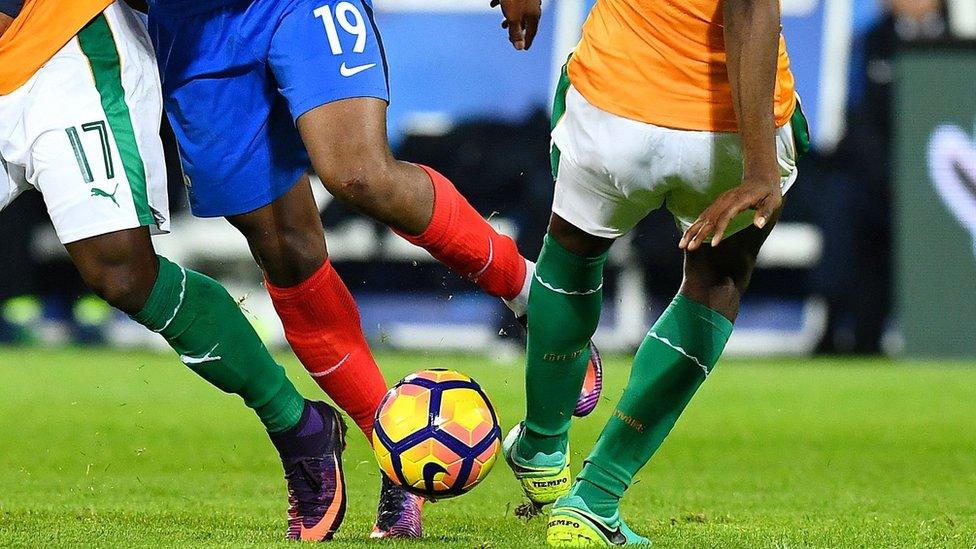
Behind the highlight reels, transfer headlines, and moments of brilliance lies a reality that is rarely discussed: the immense mental pressure placed on young African footballers. For many, football is not just a career choice — it is a lifeline, a responsibility, and a source of hope for entire families and communities.
While talent opens doors, the psychological weight that comes with early success often determines whether those doors remain open. For young African players, the journey is frequently more demanding mentally than physically.
You might also like
Why Matches Often Have More Goals in the Second Half
20:04 agoFootball as an Escape, Not Just a Dream
In many parts of Africa, football represents opportunity beyond sport. It is seen as a path out of poverty, a chance to change family circumstances, and sometimes the only visible route to stability. This transforms talent into obligation.
Young players often grow up knowing that their success is not solely theirs. Parents, siblings, extended families, and even neighborhoods place their hopes on one individual. That responsibility can become overwhelming long before emotional maturity develops.
Related Article
Arsenal star could miss 6-8 weeks with injury
04:45 agoEarly Exposure and Unrealistic Expectations
Talented African players are often identified at very young ages and exposed to professional environments before they are mentally prepared. Praise comes early, but so does pressure.
Being labeled “the next big thing” creates unrealistic expectations. Any dip in form is treated as failure, and patience disappears quickly. For young minds still forming confidence and identity, this cycle can be damaging.
The Shock of Europe
For many African footballers, moving to Europe is a cultural and psychological shock. New languages, different climates, tactical demands, and social isolation combine to create intense stress.
Away from family support systems, young players are suddenly expected to adapt instantly while competing against seasoned professionals. Loneliness, homesickness, and fear of failure often go unnoticed behind training performances.
Fear of Losing Everything
Unlike players from more stable backgrounds, many young African footballers play with the constant fear that one injury, one poor season, or one bad decision could end everything.
This fear affects decision-making. Players rush transfers, play through injuries, or hide mental struggles because stopping feels like risking everything they worked for.
Social Media and Public Judgment
Modern football adds another layer of pressure. Social media exposes young players to praise and criticism in extreme forms. A single mistake can attract thousands of negative reactions.
For young African footballers, criticism often extends beyond performance. It can involve identity, background, or nationality, intensifying emotional stress and self-doubt.
Lack of Mental Health Support
Mental health infrastructure remains limited for many African players, especially those who leave home early. Physical fitness is prioritized, but psychological well-being is often ignored.
Many players are taught to be strong, silent, and resilient — even when struggling internally. Admitting mental difficulty is still seen as weakness in many football cultures.
Pressure to Send Money Home
Financial responsibility arrives early. Once a player signs a professional contract, expectations to support family and community follow immediately.
Even modest earnings can carry heavy obligations. This pressure can force players to prioritize short-term financial decisions over long-term career development.
When Talent Meets Burnout
Mental exhaustion often appears before physical decline. Constant pressure, lack of rest, and emotional strain lead to burnout.
Some players lose confidence, others lose motivation, and some walk away entirely — not because they lack ability, but because the mental load becomes unbearable.
What Needs to Change
Protecting young African footballers requires more than scouting talent. It requires mentorship, education, psychological support, and patience.
Clubs, agents, federations, and families must understand that mental development is as important as physical training. Talent flourishes best in environments that allow mistakes, growth, and emotional safety.
Strength Is Also Asking for Help
True resilience is not silence. It is self-awareness and support. Young African footballers should be encouraged to speak, reflect, and receive help without fear of judgment.
The greatest talents are not those who survive pressure alone, but those who are supported through it.
Final Reflection
African football continues to produce extraordinary talent, but talent alone is not enough. Behind every young star is a human being carrying invisible weight.
If African football is to reach its full potential, the mental well-being of its young players must be protected with the same urgency as their physical development. Only then can talent truly become legacy.












No comments yet. Be the first to share your thoughts!