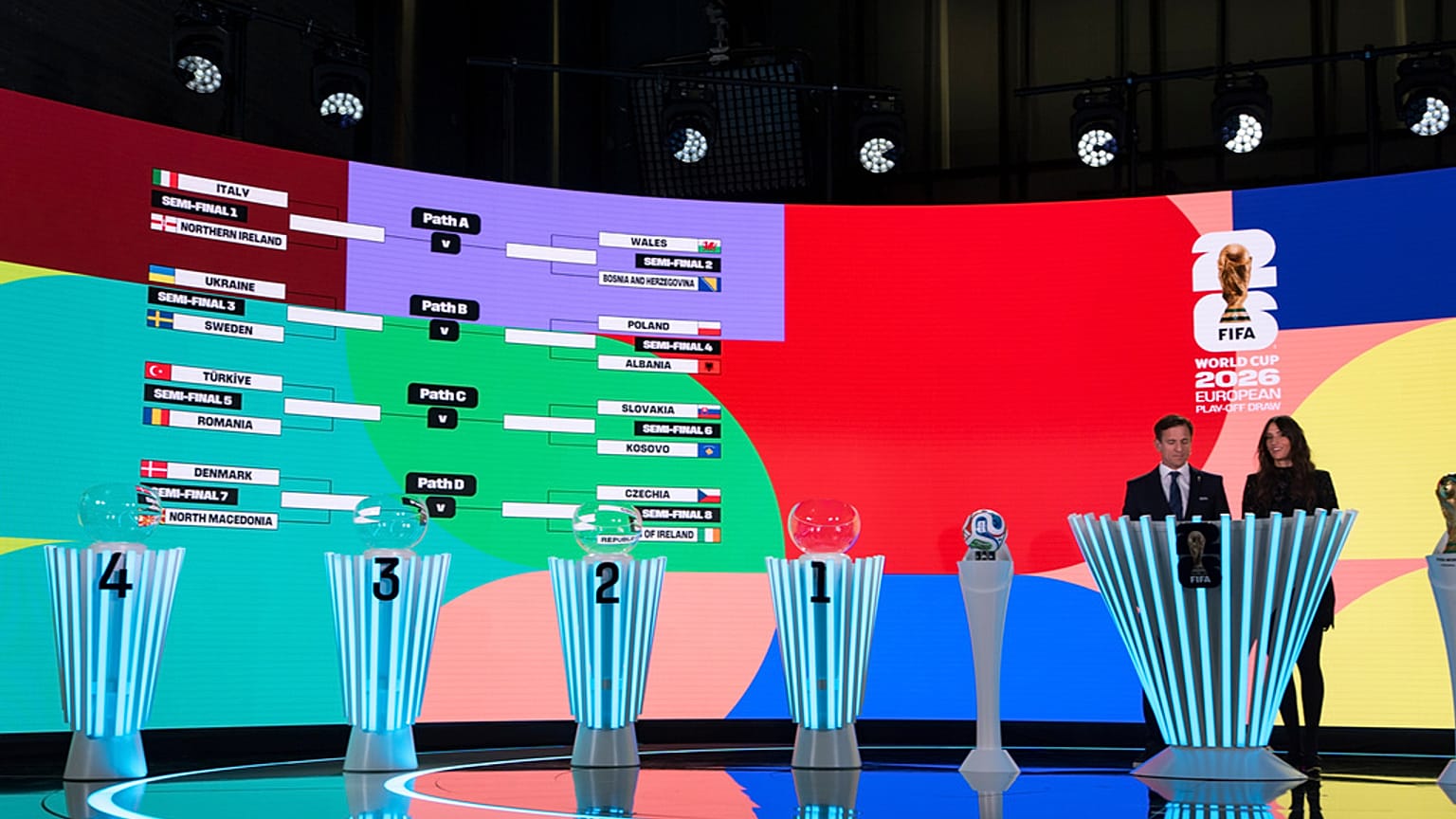
How the World Cup 2026 Is Different From Previous Tournaments
How the World Cup 2026 Is Different From Previous Tournaments
The World Cup 2026 marks a turning point in international football. While the core idea of the tournament remains the same, many elements are fundamentally different from previous editions. The World Cup 2026 is different because of its expanded size, hosting structure, qualification impact, and competitive dynamics.
You might also like

BTTS prediction Strategy: When Both Teams to Score Makes Sense
16:45 agoUnderstanding these differences helps fans adjust expectations and read matches more accurately.
The Expanded Number of Teams Changes EverythingThe most obvious difference is scale.
Related Article
Arteta gives injury updates on Rice, Saliba, Trossard & Mosquera
04:50 ago- More national teams are involved
- More matches are played
- Greater global representation is achieved
This expansion reshapes the competitive landscape.
Why Expansion Affects Match QualityExpansion brings variety.
- Different playing styles meet more often
- New football cultures appear on the global stage
- Skill gaps vary between teams
This increases unpredictability rather than lowering standards.
Multi-Nation Hosting Is a Major ShiftPrevious tournaments were usually hosted by one country.
- World Cup 2026 spans multiple nations
- Travel logistics become more complex
- Preparation routines must adapt
This introduces new challenges for teams and organisers.
Qualification Has a Bigger Impact Than BeforeQualification pathways influence tournament balance.
- More teams qualify directly
- Playoff systems expand access
- Emerging nations gain opportunity
The diversity of participants increases.
Group-Stage Strategy Is DifferentWith more teams:
- Group-stage mistakes carry different weight
- Goal difference becomes more significant
- Risk management changes
Teams must balance caution and ambition carefully.
Knockout Rounds Are More UnpredictableExpanded tournaments increase randomness.
- Underdogs reach later rounds
- Favourites face unfamiliar opponents
- One bad performance can end a campaign
Preparation becomes as important as talent.
Squad Depth Matters More Than EverMore matches test resources.
- Rotation is essential
- Bench quality becomes decisive
- Injury management is critical
Teams with depth handle pressure better.
Travel and Recovery Play a Bigger RoleLogistics are now competitive factors.
- Longer travel distances
- Climate variation between venues
- Recovery planning becomes strategic
Organisation off the pitch influences results.
Why Tactical Simplicity Is More CommonInternational football rewards clarity.
- Limited preparation time
- Players from different club systems
- Reduced training sessions
Clear systems outperform complex plans.
Why Mental Strength Is More Important in 2026The scale increases pressure.
- More matches mean sustained focus
- Media attention intensifies
- Momentum swings faster
Psychological resilience becomes a key advantage.
Why Upsets Are More LikelyStructural changes favour surprises.
- More underdogs qualify
- Favourites face varied opposition
- Knockout football magnifies mistakes
Upsets become part of the tournament narrative.
How This Changes Fan ExpectationsFans should expect:
- More diverse matchups
- Unexpected storylines
- Less predictability
The tournament becomes broader, not diluted.
How This Helps Fans Read World Cup 2026 MatchesUnderstanding these differences helps fans:
- Judge performance fairly
- Expect tactical variation
- Anticipate fatigue and rotation
Context shapes interpretation.
Final ThoughtsThe World Cup 2026 is different from previous tournaments because football itself has evolved. Expansion, logistics, and global inclusion reshape how the competition unfolds.
In modern international football, adaptability matters as much as ability.






No comments yet. Be the first to share your thoughts!