How Injuries Are Shaping Football and Sports This Season
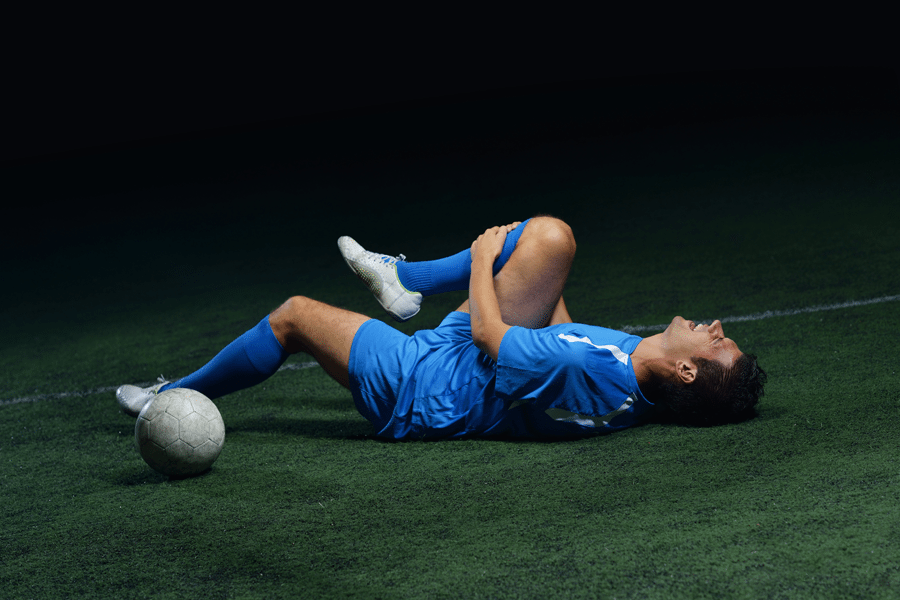
Injuries are no longer a side story in modern sport — they are one of the defining forces shaping results, careers, and even entire tournaments. Across football, basketball, American football, and other elite competitions, the absence or limitation of key players has had a direct impact on performances and expectations this season.
From global superstars to emerging talents, injuries are influencing tactical decisions, squad depth, and long-term planning more than ever. Understanding this trend provides crucial context for analysing matches, teams, and competitions.
You might also like
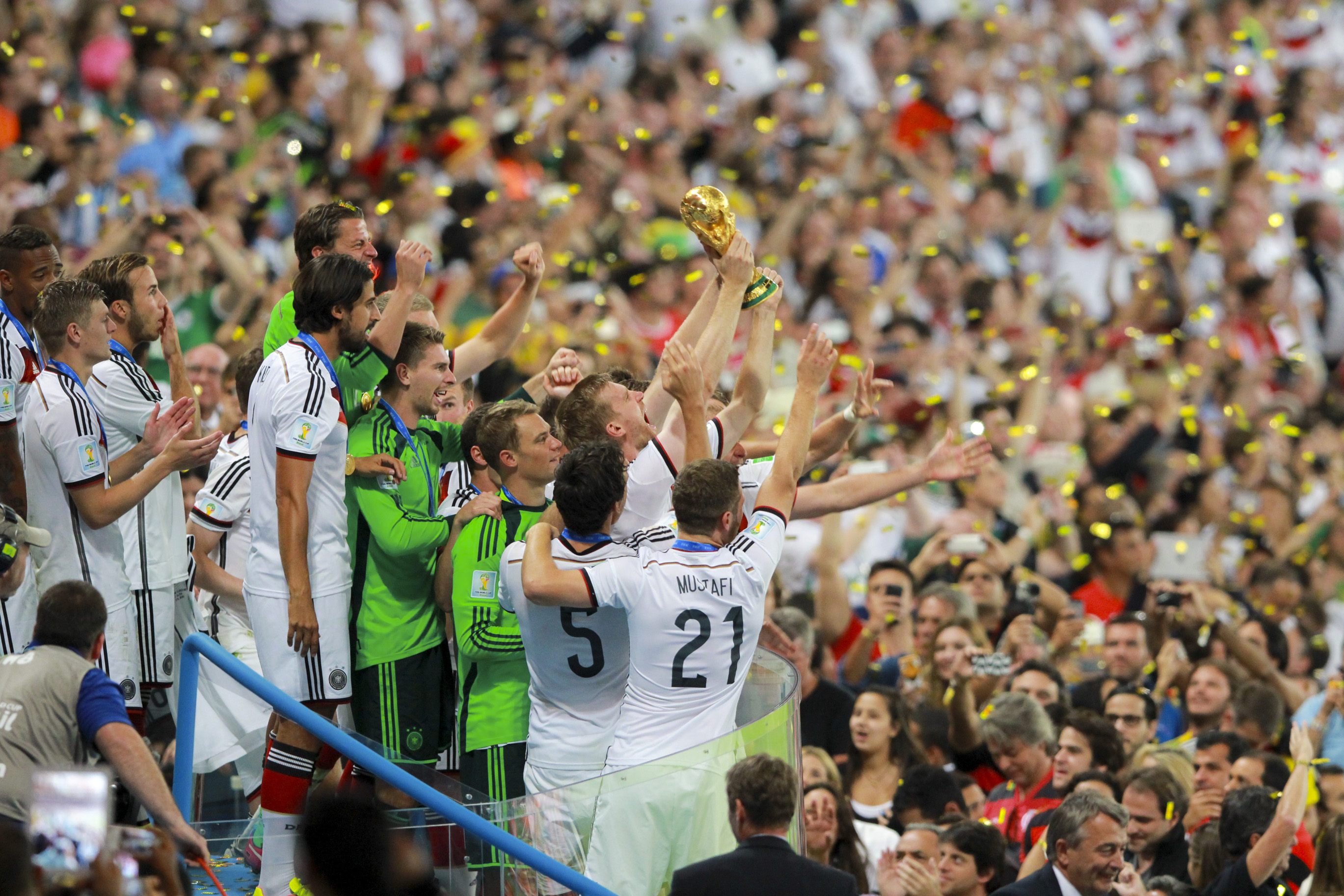
Germany 2014 vs France 2018: Structure, Depth, and Two Blueprints for World Cup Dominance
01:43 agoOne of the clearest patterns this season is how frequently elite players are being sidelined at critical moments. Footballers such as Neymar, Alexander Isak, and Takumi Minamino have all suffered injuries that disrupted momentum, while athletes in other sports like Luka Dončić and Jordan Love have faced similar challenges. These are not isolated incidents — they reflect a broader structural issue in modern sport.
The modern sporting calendar is more congested than ever. Players are expected to perform across domestic leagues, international competitions, and extended tournament formats with minimal recovery windows. This constant physical load increases the risk of both acute injuries and long-term wear, particularly to knees, ankles, and muscles that endure repeated stress.
In football, injuries often carry consequences beyond simple player absence. When a creative force like Neymar is unavailable, teams lose not only goals and assists but also unpredictability. Defensive systems adjust, opponents take more risks, and matches unfold differently. Even when such players return, regaining rhythm and confidence takes time.
Related Article
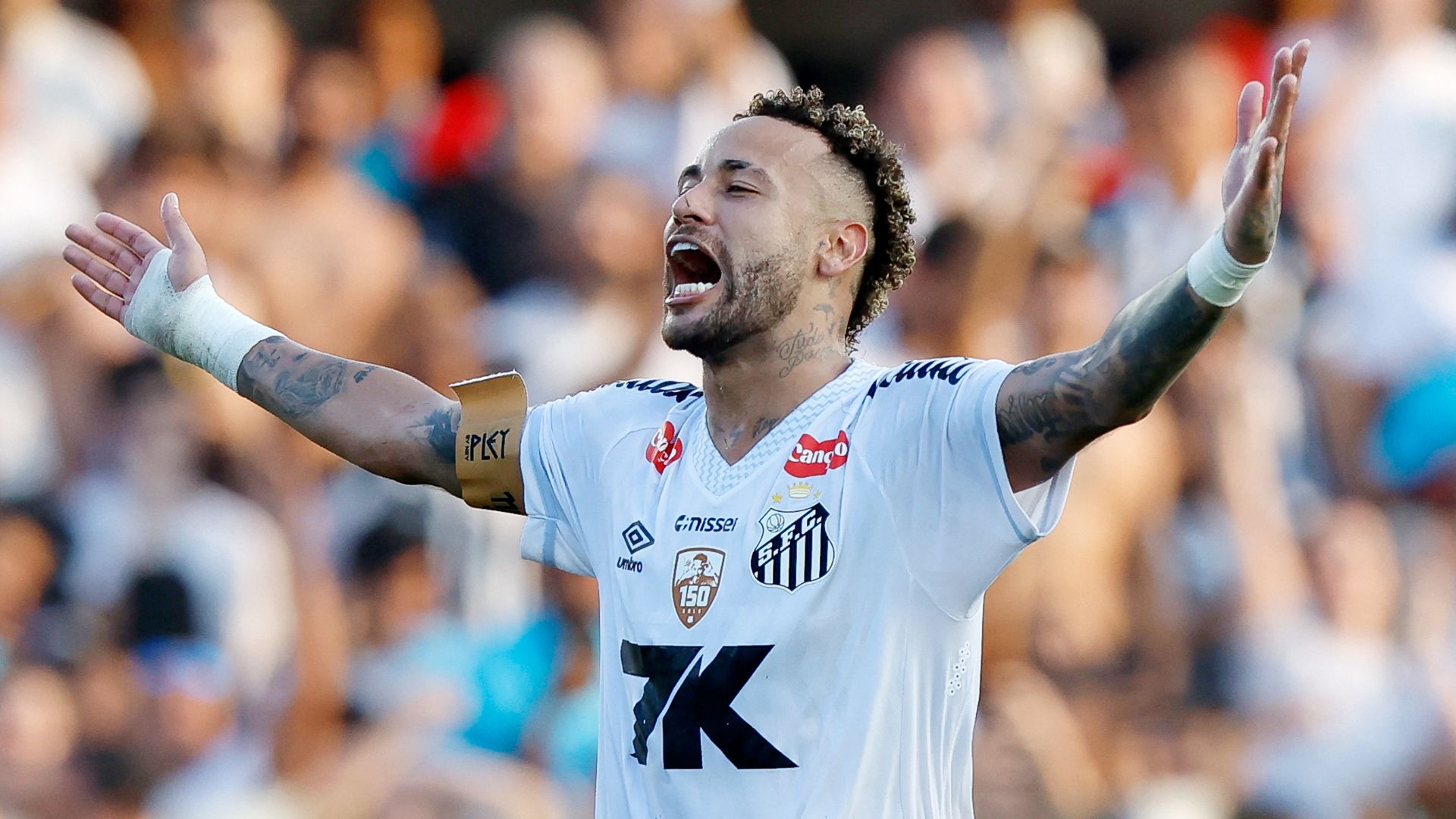
Neymar Expected to Delay Santos Contract Renewal as Knee Surgery Approaches
02:11 agoSimilarly, long-term injuries such as Takumi Minamino’s ACL rupture illustrate how a single setback can reshape both club and national team plans. International football, with its limited preparation time, is especially vulnerable to these disruptions. Coaches are forced to adapt systems, redefine roles, and sometimes abandon tactical ideas entirely.
Injury impact is not limited to star names. Developing players like Assane Diao and Tino Livramento face a different challenge. For them, injuries interrupt growth rather than dominance. At early career stages, continuity is essential. Repeated stop-start periods can delay development, affect confidence, and alter how coaches perceive reliability.
Across sports, the psychological effect of injuries is becoming increasingly visible. Athletes returning from knee or ankle problems often speak about the difficulty of trusting their bodies again. This hesitation can subtly affect performance, even when medical clearance is given. Confidence, timing, and decision-making are often the last elements to return.
In leagues like the NBA and NFL, injury management has evolved into a strategic discipline. Players such as Luka Dončić are now rested proactively, not because they cannot play, but because long-term availability matters more than short-term appearances. This approach reflects a growing recognition that durability is a competitive advantage.
American football presents its own injury challenges. Quarterbacks like Jordan Love face a delicate balance between toughness and preservation. Playing through pain may satisfy short-term expectations, but it can compromise mechanics, decision-making, and long-term development. Teams increasingly prioritise protection over heroics.
Even in sports where physical contact is less obvious, such as darts, injuries reveal the hidden pressures of elite competition. Cameron Menzies’ situation demonstrated how mental stress can translate into physical setbacks, reminding fans that performance is never purely mechanical.
At tournament level, injuries can redefine outcomes. Events such as the Africa Cup of Nations often highlight how squad depth outweighs individual star power. Teams that rely too heavily on one player are more vulnerable when injuries strike, while balanced squads tend to adapt more effectively.
Another emerging trend is the increasing importance of medical and performance staff. Rehabilitation quality, workload monitoring, and return-to-play decisions now influence results almost as much as coaching tactics. Clubs with advanced sports science departments gain a tangible edge over those still reacting rather than preventing.
For fans and analysts, injuries add a layer of complexity to match evaluation. Results cannot be interpreted in isolation. A narrow win without a key player may represent progress, while a poor performance under injury constraints may be less alarming than it appears on paper.
In the context of predictions and analysis, injuries demand careful consideration. Losing a defender alters structure, missing a striker changes chance conversion, and absent leaders affect mentality. Understanding these dynamics leads to more informed expectations rather than reactionary conclusions.
As the season continues, injuries will remain a constant variable. Some players will return stronger, others will struggle to regain form, and new setbacks will inevitably emerge. The teams best equipped to handle this reality will be those that plan for absence, not just presence.
Ultimately, injuries are shaping modern sport not as interruptions, but as defining factors. They influence tactics, narratives, and legacies. In an era where margins are thinner than ever, managing physical health has become as important as technical brilliance.
In today’s game, success belongs not only to the most talented teams, but to the most resilient ones.









No comments yet. Be the first to share your thoughts!