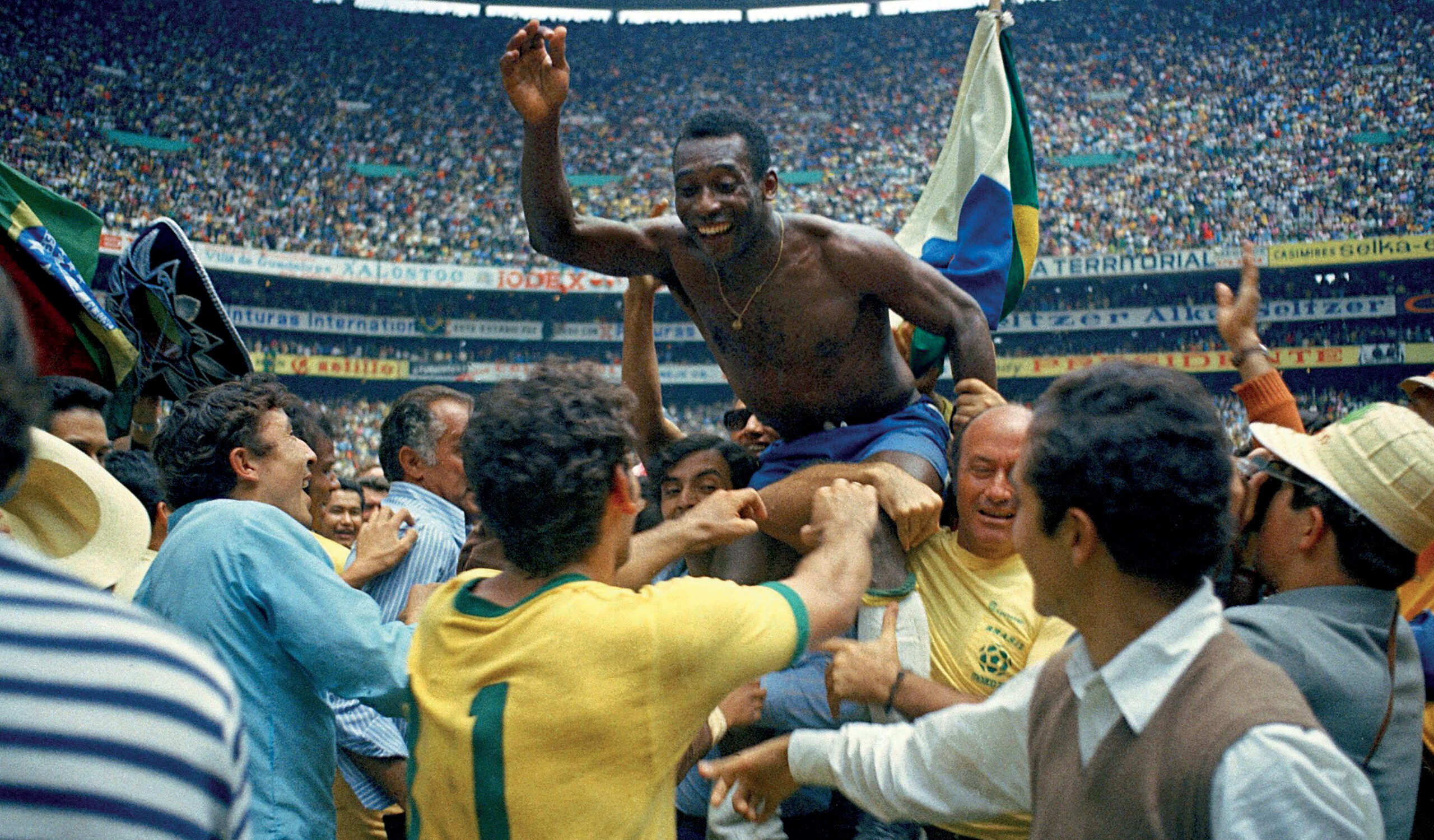
Brazil 1970 vs Spain 2010: Freedom, Flair, and the Ultimate Battle of World Cup Philosophies
Among all World Cup-winning teams, few have captured global imagination like Brazil 1970 and Spain 2010. These two sides represent opposite ends of football philosophy, yet both achieved the same ultimate prize. One conquered the world through attacking freedom and individual brilliance. The other ruled through control, patience, and tactical intelligence. Comparing them is a journey into football’s deepest identity debate.
Brazil 1970 is often described as the most beautiful team ever assembled. Spain 2010 is often described as the most intelligent. Both dominated their era, but in radically different ways that continue to divide fans, analysts, and generations.
You might also like
England's World Cup 2026 kick off times and venues confirmed
11:54 agoBrazil 1970: Football Without Limits
Brazil’s 1970 World Cup team embodied pure attacking freedom. This side played with joy, creativity, and confidence that bordered on arrogance. Every player seemed capable of creating magic, and every attack carried danger.
What made Brazil 1970 extraordinary was their collective understanding despite the freedom they enjoyed. Movement was fluid, positions were interchangeable, and creativity was encouraged rather than restricted. Attacks flowed naturally, overwhelming opponents with speed, skill, and unpredictability.
Related Article

Messi vs Maradona: Two Geniuses, One Nation, and the Meaning of Football Greatness
17:12 agoBrazil dominated matches by outscoring opponents rather than suffocating them. They invited open play, confident that their attacking quality would always prevail. Defending was secondary to expression, yet their organization was often underestimated.
This team did not just win — they entertained. Opponents were beaten physically, technically, and emotionally. Brazil imposed joy as a weapon, turning football into spectacle.
Spain 2010: Total Control Through Intelligence
Spain’s 2010 World Cup triumph represented football at its most methodical. This team sought dominance through possession, positioning, and patience. Matches were controlled rather than rushed, with every phase of play carefully managed.
Spain did not overwhelm opponents with goals, but with inevitability. By monopolizing the ball, they denied opponents rhythm, confidence, and opportunity. Defending became proactive — control was their shield.
What defined Spain was discipline. Creativity existed, but only within structure. Risk was minimized, chaos eliminated, and control prioritized above all else.
This approach frustrated opponents into submission. Matches often felt slow and tense, but Spain rarely looked vulnerable.
Expression vs Control
The contrast between Brazil 1970 and Spain 2010 is philosophical. Brazil believed football should be played with freedom and flair. Spain believed football should be mastered through intelligence and patience.
Brazil thrived in open games, where creativity could flourish. Spain thrived in tight games, where discipline and positioning mattered most.
One chased beauty. The other chased certainty.
Big Matches and Authority
Brazil’s authority in big matches came from fearlessness. They attacked regardless of the opponent or stage, trusting their ability to outscore anyone.
Spain’s authority came from control. They dictated tempo, limited risk, and waited patiently for decisive moments.
Brazil conquered finals with brilliance. Spain conquered them with calm.
Psychological Impact on Opponents
Facing Brazil meant bracing for spectacle. Opponents knew goals were inevitable, and defensive perfection was required just to survive.
Facing Spain meant accepting invisibility. Opponents often felt irrelevant, chasing possession without reward.
Brazil overwhelmed belief through brilliance. Spain erased belief through denial.
Tactical Influence on Football
Brazil 1970 inspired generations to play with creativity, confidence, and attacking intent. Their influence shaped football culture and identity worldwide.
Spain 2010 reshaped modern tactics. Possession-based football became a global reference point, influencing academies, coaches, and national teams.
One influenced hearts. The other influenced systems.
Longevity and Legacy
Brazil 1970 remains the benchmark for beauty in football. Their legacy lives in memory, highlights, and philosophy rather than replication.
Spain 2010 represents a repeatable model. Their success was part of a sustained era built on principles that could be taught and applied.
Brazil represented perfection in a moment. Spain represented dominance across time.
The Final Verdict
If dominance is defined by attacking brilliance, freedom, and emotional impact, Brazil 1970 stands unmatched in football history.
If dominance is defined by control, tactical intelligence, and defensive security through possession, Spain 2010 sets the modern standard.
Ultimately, Brazil 1970 showed the world how beautiful football could be, while Spain 2010 showed how unstoppable football could become. Two philosophies, one trophy — and a debate that will never truly end.







No comments yet. Be the first to share your thoughts!