
Andrea Pirlo vs Luka Modrić: Elegance, Intelligence, and the Evolution of the Modern Midfielder
Football has always admired strength, speed, and spectacle, but its deepest respect is reserved for players who think faster than everyone else on the pitch. Andrea Pirlo and Luka Modrić belong to this rare class. They are not defined by physical dominance or explosive pace, but by vision, composure, and an understanding of the game that transcends eras.
Although they played in different generations and systems, Pirlo and Modrić represent two interpretations of midfield genius. One slowed the game to his rhythm, the other mastered the art of controlling chaos. Comparing them is not about choosing superiority, but about understanding how midfield excellence evolved.
You might also like
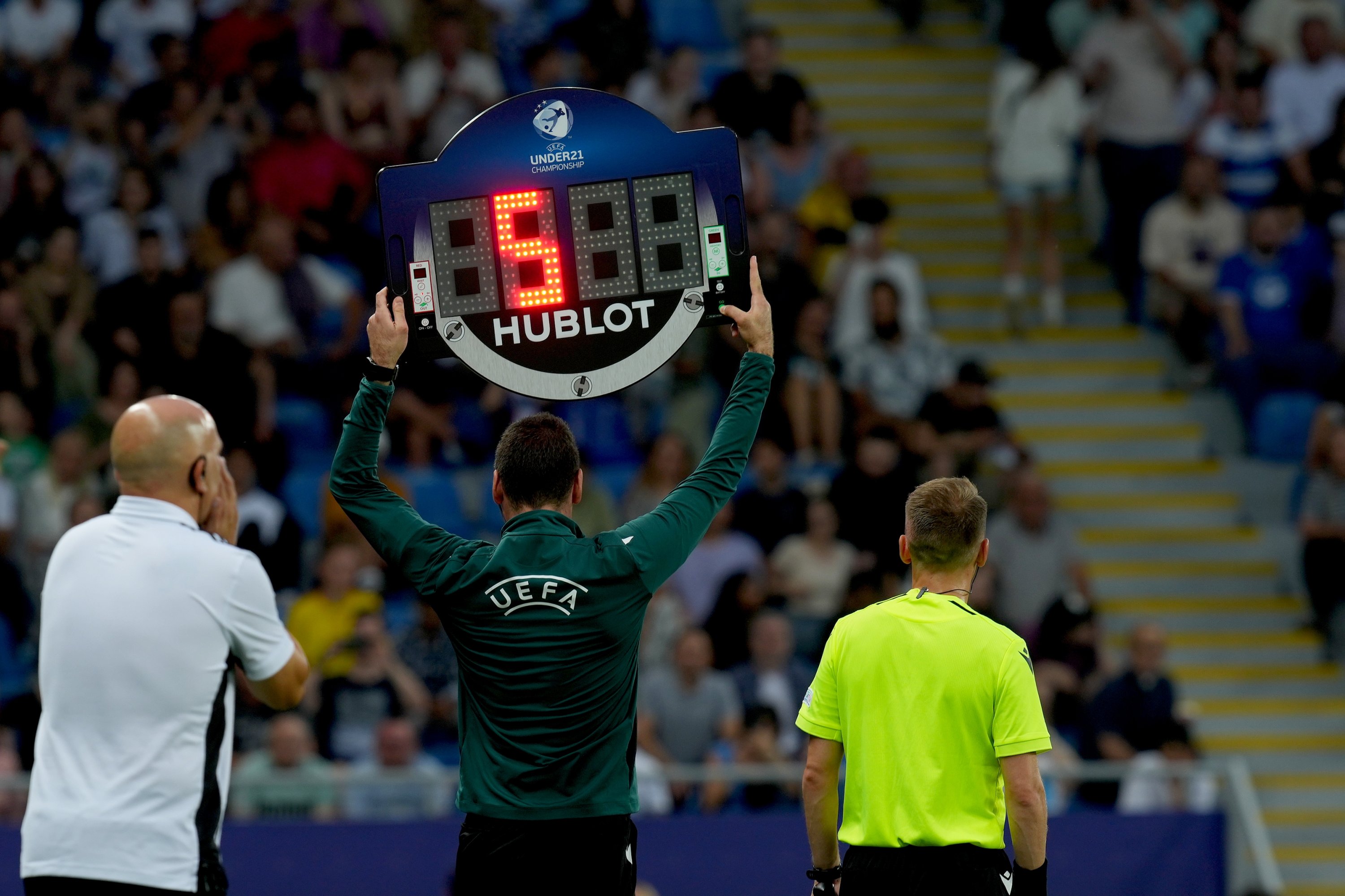
Why Referees Add Extra Time to Extra Time in Football
19:37 agoAndrea Pirlo: The Deep-Lying Maestro
Andrea Pirlo redefined the role of the deep-lying playmaker. At a time when defensive midfielders were expected to destroy play, Pirlo was tasked with creating it. Positioned just ahead of the defense, he orchestrated matches with a calmness that bordered on arrogance.
Pirlo’s greatest weapon was time — or rather, his ability to create it. Even under pressure, he appeared unhurried, scanning the pitch and selecting passes with surgical precision. Long diagonals, disguised through balls, and perfectly weighted passes were his trademarks. Watching Pirlo felt like watching a conductor guide an orchestra.
Related Article
Incoming Arsenal duo will sign contracts this week in £9m deal
04:55 agoHis influence extended beyond open play. Pirlo’s set-piece ability was legendary. Free kicks, corners, and penalties were delivered with elegance and confidence, often deciding matches in moments of stillness rather than speed.
At club level, Pirlo became the heartbeat of teams built on tactical discipline. Whether in Italy or elsewhere, he was trusted to dictate tempo and control possession. His presence gave structure to attacking players and assurance to defenders.
For Italy, Pirlo was the symbol of calm during turbulent moments. In high-pressure tournaments, his composure never wavered. He thrived when others panicked, reminding the world that football intelligence could dominate even the most intense environments.
Luka Modrić: The Relentless Controller
Luka Modrić represents a different kind of midfield mastery. Where Pirlo was static and serene, Modrić is dynamic and tireless. His game is built on movement, balance, and adaptability. He does not wait for the game to come to him — he chases control across every inch of the pitch.
Modrić’s intelligence lies in his versatility. He can operate as a deep playmaker, a box-to-box engine, or an advanced creator depending on the needs of the team. His ability to receive the ball under pressure, turn quickly, and escape tight spaces makes him one of the most press-resistant midfielders in history.
What truly separates Modrić is his endurance and consistency at the highest level. Year after year, he maintained elite performance standards in the most demanding competitions. His influence is not always obvious in statistics, but it is undeniable in control, transitions, and game management.
On the international stage, Modrić carried a nation beyond expectations. Leading a relatively small footballing country to historic achievements, he proved that leadership is not always loud. His calm authority and relentless work rate inspired teammates and unsettled opponents.
Tempo vs Mobility
The fundamental difference between Pirlo and Modrić lies in how they control matches. Pirlo controlled games by slowing them down. He dictated tempo through positioning and passing, ensuring his team always played on its own terms.
Modrić controls games through movement. He speeds the game up or slows it down depending on the moment, constantly adjusting his positioning to maintain balance. Where Pirlo remained central, Modrić roamed, linking defense to attack seamlessly.
This contrast reflects the evolution of football itself. Pirlo thrived in an era where space and time were more accessible. Modrić mastered an era defined by pressing, athleticism, and relentless intensity.
Defensive Contribution and Work Rate
Defensively, Pirlo relied more on positioning than physical engagement. He was not a ball-winner in the traditional sense, but his anticipation and reading of the game often disrupted attacks before they developed.
Modrić, by contrast, combines intelligence with aggression. He presses relentlessly, tracks runners, and recovers possession through sheer determination. His defensive contribution often goes unnoticed because it is woven seamlessly into his overall play.
This difference highlights their contrasting responsibilities. Pirlo was protected by structure. Modrić often was the structure.
Big Matches and Pressure Moments
Pirlo’s legacy is filled with iconic moments defined by calmness. His audacious penalty under immense pressure remains one of football’s most confident acts. He never appeared affected by stakes, treating decisive moments as opportunities rather than threats.
Modrić’s big-game reputation is built on endurance and leadership. In matches that stretched into extra time or demanded relentless concentration, he consistently rose above fatigue. His performances in knockout competitions defined modern midfield dominance.
While Pirlo decided moments with elegance, Modrić decided tournaments with consistency.
Leadership and Personality
Pirlo led through serenity. His presence calmed teammates and imposed psychological pressure on opponents. He rarely raised his voice, yet his authority was unquestioned.
Modrić leads through example. His work rate, professionalism, and resilience set standards for those around him. He is the type of leader who elevates teammates by refusing to drop his own level.
Both leadership styles proved effective, shaped by personality rather than necessity.
Legacy and Influence
Pirlo’s influence reshaped how football viewed the deep-lying playmaker. Entire systems were built to replicate his role, and a generation of midfielders studied his movement and passing.
Modrić’s legacy represents adaptability and longevity. He proved that intelligence and discipline can overcome physical decline, extending a player’s relevance at the very highest level.
Modern midfielders borrow from both — Pirlo’s vision and Modrić’s mobility — creating a hybrid role that defines today’s elite players.
The Final Verdict
Choosing between Andrea Pirlo and Luka Modrić ultimately depends on philosophy. Pirlo is the embodiment of elegance and control, a player who turned football into poetry. Modrić is the embodiment of evolution, a midfielder who mastered every demand of the modern game.
If a team needs composure, structure, and artistic control, Pirlo is unmatched. If a team needs balance, intensity, and all-phase influence, Modrić stands supreme.
Rather than rivals, they represent chapters in football’s tactical story. Andrea Pirlo and Luka Modrić remind us that intelligence, not speed, remains the most powerful weapon the game has ever known.






No comments yet. Be the first to share your thoughts!