Understanding this pattern explains many “surprising” scorelines.
You might also like

Jamaica Players Say Greenwood’s World Cup Selection Would Be Unfair
07:34 agoUnderdogs usually begin with maximum intensity.
They aim to:
Related Article
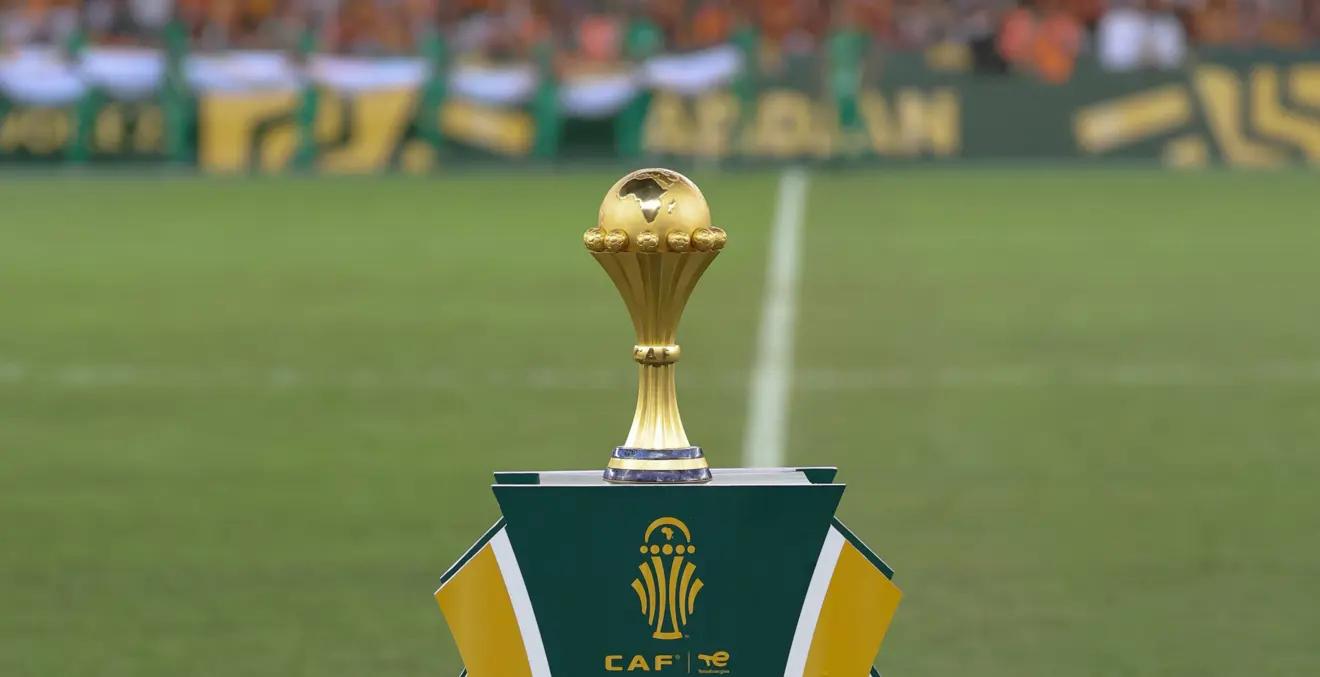
Senegal 1-0 Morocco - AFCON 2025 Final - FULL TIME
06:11 ago- Disrupt the opponent’s rhythm
- Win early duels
- Capitalize on surprise and momentum
This early burst can unsettle stronger teams who expect control from kickoff.
High Pressing Is Hard to SustainMany underdogs rely on aggressive pressing early.
While effective initially, high pressing:
- Consumes enormous energy
- Requires perfect coordination
- Is difficult to maintain for 90 minutes
As fatigue sets in, pressing gaps appear and space opens up.
Physical Depth Favors Stronger TeamsStronger teams usually have:
- Deeper squads
- Better conditioning
- More rotation options
Underdogs often field near-maximum lineups early, leaving fewer options to refresh energy later.
Psychological Pressure Builds Over TimeStarting strong raises expectations.
As the match goes on:
- Underdogs become aware of the possibility of an upset
- Nerves increase
- Decision-making becomes cautious
Fear of losing what they’ve built can replace the freedom they started with.
Why Game State Turns Against UnderdogsIf the underdog scores or stays level:
- The stronger team increases control
- Possession becomes more deliberate
- Pressure mounts gradually
The underdog is forced to defend for longer periods, accelerating fatigue.
Defensive Shape Suffers LateDefending deep for extended periods is exhausting.
Late in matches:
- Defensive lines drop too far
- Midfield gaps appear
- Clearances become rushed
This creates repeated waves of attacks that are hard to survive.
Substitutions Shift the BalanceStronger teams often introduce:
- Fresh attackers
- Creative midfielders
- Direct pace late in matches
Underdogs may lack equivalent impact from the bench, widening the quality gap.
Why Set Pieces Hurt Underdogs LateLate pressure increases set pieces.
Fatigued teams:
- Lose marking discipline
- Struggle with aerial duels
- React slower to second balls
Many underdog collapses begin from corners or free kicks.
Experience Matters in Closing MatchesClosing out games requires composure.
Experienced teams:
- Manage tempo
- Choose moments to attack
- Avoid emotional mistakes
Underdogs may lack this game-management experience under pressure.
Why Early Goals Don’t Guarantee ControlScoring early does not reduce workload.
Instead:
- The opponent becomes more urgent
- Defensive responsibility increases
- Running demands rise
Without sustained control, early success can accelerate late collapse.
Why Fans Notice This Pattern So OftenThis pattern stands out because:
- Early dominance raises expectations
- Late goals decide results
- Momentum shifts feel dramatic
Emotionally, fading feels more painful than a quiet defeat.
When Underdogs Do Not FadeUnderdogs survive when they:
- Rotate pressing intelligently
- Maintain compact structure
- Use possession to rest
Discipline and energy management are key.
How This Helps You Read Live MatchesUnderstanding this helps fans:
- Anticipate late pressure
- Interpret momentum shifts
- Stay cautious about early leads
It explains why matches often change after strong starts.
Final ThoughtsUnderdogs start strong because intensity and belief peak early. They fade because football rewards endurance, depth, and control over time. As fatigue grows and pressure mounts, quality usually asserts itself.
In football, starting well is important—but finishing well is what decides results.








No comments yet. Be the first to share your thoughts!