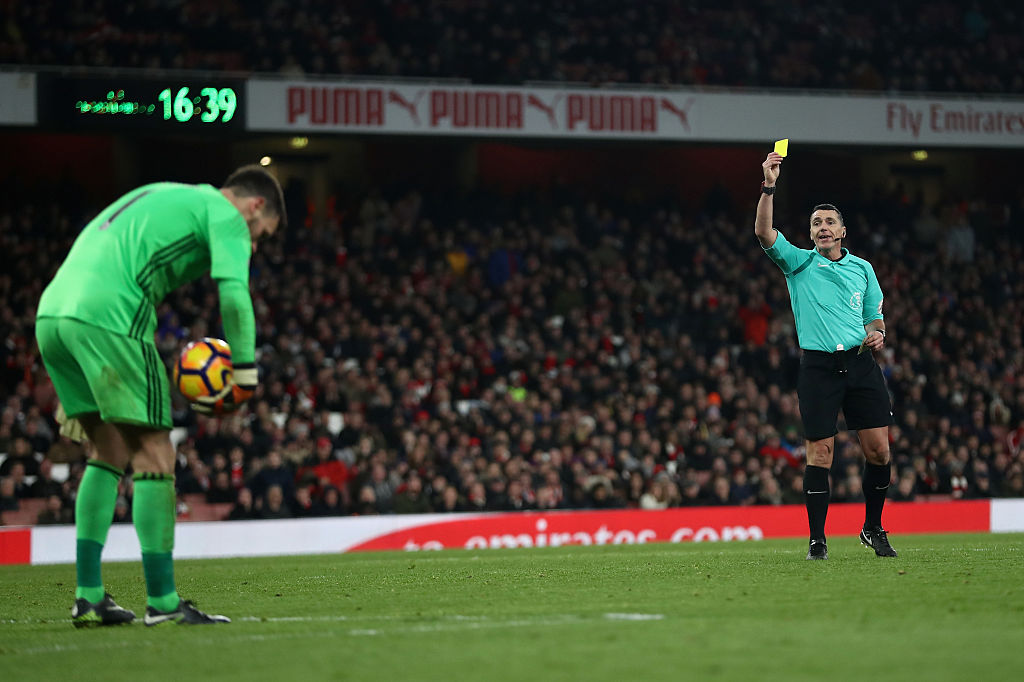
Time-wasting exists because football rewards teams that can protect advantages when time becomes more valuable than space.
You might also like

Paul Ince Urges Kobbie Mainoo to Leave Man Utd in January Amid Limited Playing Time
07:40 agoTime-wasting is not always obvious or extreme. It usually involves:
- Delaying restarts
- Slowing substitutions
- Holding possession without attacking
- Using stoppages to disrupt rhythm
Related Article

Chelsea’s Title Credentials on Trial as Arsenal Come to Town
08:17 agoLate in matches, the scoreboard matters more than style.
When leading:
- Every second reduces risk
- Each restart gives the opponent a chance
- Keeping the clock running protects the result
Teams trade aesthetics for control once time pressure increases.
Game State Drives Time-Wasting BehaviourTime-wasting is closely linked to game state.
It is most common when:
- A team is leading by one goal
- The match is in stoppage time
- The opponent is building momentum
Teams trailing rarely time-waste; teams protecting narrow leads almost always do.
Why Goalkeepers Are Central to Time-WastingGoalkeepers play a key role because:
- They control restarts
- They can legally hold the ball
- They slow tempo without leaving position
Holding the ball for a few extra seconds repeatedly can remove entire attacking sequences from the opponent.
Substitutions as a Time Management ToolLate substitutions often serve two purposes:
- Fresh legs
- Clock reduction
The substitution process itself:
- Stops the game
- Breaks opponent momentum
- Allows tactical reorganisation
Even short delays can have a large impact late.
Why Players Go Down Injured LateLate-game “injuries” are controversial but common.
They occur because:
- Players are genuinely fatigued
- Minor knocks feel more severe
- Stopping play relieves pressure
Whether intentional or not, these stoppages disrupt attacking rhythm.
The Psychological Effect on the OpponentTime-wasting is as much psychological as tactical.
For the trailing team:
- Frustration increases
- Decision-making becomes rushed
- Emotional control declines
This often leads to poor crosses, hopeful shots, and wasted possession.
Why Referees Allow Some Time-WastingReferees manage games, not just rules.
They may:
- Warn players before booking
- Allow minor delays
- Add time later instead of stopping play
The goal is to maintain flow while still recovering lost time through added minutes.
Why Time-Wasting Still Works Despite Added TimeEven with extra time added:
- Rhythm is broken
- Pressure phases are disrupted
- Opponents lose momentum
Time-wasting is about disruption, not just seconds.
Why Teams Time-Waste More Than BeforeModern football has intensified pressure.
Factors include:
- Higher physical demands
- More tactical discipline
- Greater consequences for results
Protecting a lead is often prioritised over continuing to attack.
When Time-Wasting BackfiresTime-wasting can fail when:
- Referees add excessive extra time
- Concentration drops after stoppages
- Opponents score from set pieces
Inviting pressure for too long increases risk.
Why Fans React So Strongly to Time-WastingFans dislike time-wasting because:
- It breaks immersion
- It feels unfair
- It reduces attacking play
Emotionally, it feels like the game is being “stolen” rather than won.
How This Helps You Read Live MatchesUnderstanding time-wasting helps fans:
- Anticipate long added time
- Recognise momentum control
- Interpret referee decisions
It explains why matches often feel chaotic in the final minutes.
Final ThoughtsTeams time-waste late in football matches because time becomes the most valuable resource. Slowing the game protects leads, disrupts opponents, and reduces exposure to risk.
While unpopular, time-wasting is a rational response to pressure in a sport where one moment can change everything.
In football, managing the clock is often as important as managing the ball.











No comments yet. Be the first to share your thoughts!