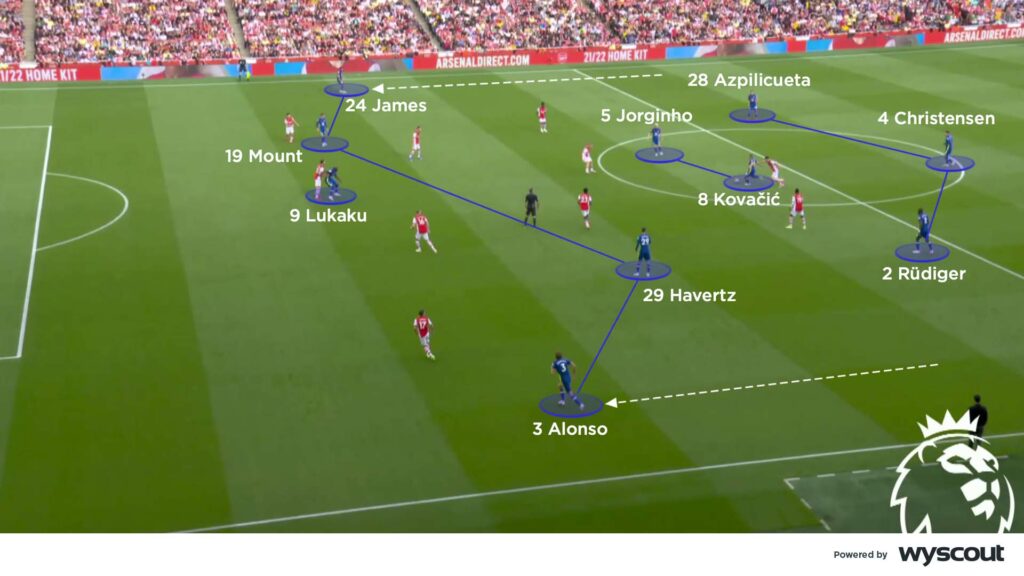
When a team scores the first goal in a football match, the intuitive expectation is that they will continue pushing forward to extend the advantage. Yet in reality, many teams stop attacking or dramatically reduce their attacking intent after taking the lead.
This shift in behaviour isn’t random it’s rooted in psychology, tactics, risk-management, and match state dynamics. Understanding this helps explain why many matches become more defensive, less exciting, or even slip away from the leading side.
You might also like

Best World Cup Teams That Didn’t Win: Football’s Greatest Near Misses
15:01 agoStopping attacking doesn’t always mean a team plays poorly. It often means they shift focus from scoring more to protecting what they already have.
Common changes include:
Related Article
Wolfsburg vs Augsburg : Prediction, Preview, lineups
08:12 ago- Less forward pressure
- Fewer passes into attacking areas
- More conservative positioning
This behavioural shift is observable in passing maps, heat maps, and tactical formations.
Psychological Comfort After ScoringOnce a team scores, players’ minds change.
Many think:
- “We’re ahead — it’s safe now.”
- “Don’t make mistakes trying to score again.”li>
- “Let’s not risk conceding.”
This comfort mindset reduces attacking aggressiveness. The fear of conceding becomes stronger than the desire to dominate.
Football is as much emotional as it is physical.
The Influence of Game StateGame state matters.
After taking the lead:
- Teams start prioritising control over creation
- Midfielders play safer passes
- Full-backs stay deeper
When a team leads narrowly, risk aversion increases. Controlling space often replaces creating chances.
Tactical Changes After LeadingCoaches frequently adjust tactics after a goal.
Typical changes include:
- Switching to a more defensive formation
- Substituting attackers for midfielders/defenders
- Adjusting pressing triggers
These changes reduce attacking output because they prioritise risk minimisation over opportunity creation.
Why Possession Doesn’t Always Lead to More AttackPossession after scoring often looks like control but not threat.
Teams that “park the ball”:
- Circulate possession deep
- Avoid direct threat to goal
- Reduce forward passes under pressure
This is tactical control, not attacking aggression. Possession is not always the same as attacking effectiveness.
How Opponents RespondWhen one team slows its attack after scoring, the opponent:
- Feels less pressure defending
- Regains confidence on the ball
- Pushes forward earlier
This shift allows the trailing team to regain momentum. Sometimes the momentum swings before a single second goal is scored.
The Danger of “Nervous Football”After scoring, teams often revert to:
- Shorter passing with fewer forward lines
- Lower press intensity
- Defensive reactions instead of controlled aggression
These behaviours reduce the chance of scoring again and give the opponent space and confidence.
Football punishes caution when balance is lost.
Why Big Teams Still Attack After GoalsSome elite teams continue attacking even after scoring.
They maintain:
- High press intensity
- Aggressive positioning
- Quick transitions into attack
This requires:
- Confidence in defensive organisation
- Strong squad depth
- High tactical discipline
Teams that can attack and defend simultaneously are rare — and that’s why they often finish higher in league tables.
The Role of SubstitutionsSubstitutes heavily influence this shift.
After scoring:
- Managers sometimes bring on defenders/midfielders
- Attacking rhythm is disrupted
- Energy in forward areas decreases
Even a single substitution can reset tactical balance away from attack.
Why Fans Think This Is “Boring Football”Many fans blame a lack of action after a goal on negative tactics.
But it’s not just defence:
- The team is managing risk
- The priority becomes control
- Players respond according to match psychology
What looks like boring play is often strategic conservation of advantage.
When Attacking After a Goal WorksTeams successfully attacking after scoring usually have:
- Strong defensive backup
- High confidence in transitional play
- Control of midfield tempo
These teams manage balance instead of abandoning structure.
How This Explains Many Match TurnaroundsIn matches where the leading team stops attacking and the trailing team grows in confidence:
- Momentum shifts
- Belief increases for the trailing side
- Pressure builds near the leading goal
This dynamic is one reason matches that look “settled” can suddenly become chaotic.
Why This Matters for Today’s MatchesUnderstanding post-goal behaviour helps fans interpret what’s happening in real time.
For live match insights and up-to-date fixtures, explore Predictians Today’s Matches & Analysis. Final ThoughtsTeams stop attacking after scoring because psychology and risk management take over. What begins as dominance becomes controlled play, and control is not always the same as aggression.
Football is a balance between attack and defence and that balance shifts dynamically as soon as the score changes.





No comments yet. Be the first to share your thoughts!