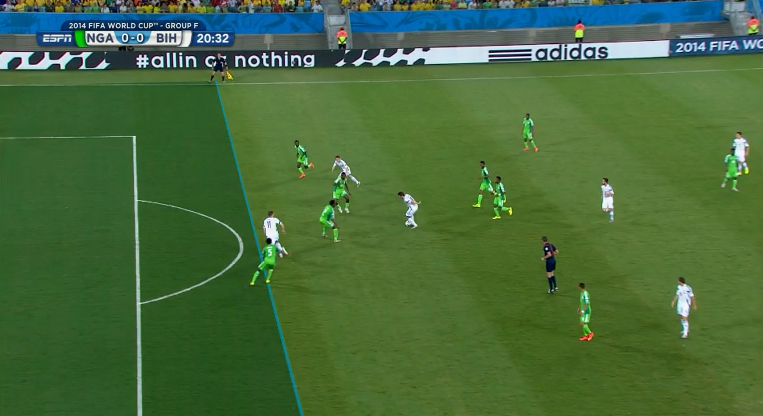
Understanding this explains why appeals happen almost automatically.
You might also like

Why Matches Get Abandoned or Suspended in Football
19:31 agoDefenders are trained to react instantly.
When a ball goes in behind:
Related Article

Match Full-time Insight: Real Madrid 6-1 Monaco
22:40 ago- They look for the assistant referee
- They raise an arm instinctively
- They hope the flag is already coming
There is no downside to appealing—only potential upside.
Why Players Appeal Even When UnsureIn real time, players cannot judge perfect lines.
Factors include:
- High speed of play
- Multiple attackers and defenders
- Different viewing angles
Uncertainty encourages appeals “just in case”.
Appeals Can Influence Assistant RefereesWhile officials are trained to be impartial, human factors exist.
Appeals can:
- Draw attention to a tight decision
- Reinforce the idea of interference
- Create hesitation on marginal calls
Especially in close situations, pressure matters.
Why Appeals Continue Even With VARVAR has not stopped offside appeals.
Players still appeal because:
- Not all competitions use VAR
- Assistant referees still make the first call
- VAR only intervenes after the on-field decision
The initial judgement still matters.
Appealing Can Delay the AttackerAppeals are not just about officials.
They can:
- Cause attackers to hesitate
- Interrupt finishing focus
- Create split-second doubt
Even a moment of hesitation can change an outcome.
Why Defenders Stop and Raise ArmsSometimes defenders stop running to appeal.
They do this to:
- Signal belief in offside
- Force the referee’s attention
- Protect against playing attackers onside
Continuing to chase could remove the offside argument.
Why Coaches Encourage AppealsAppeals are part of game management.
Coaches encourage defenders to:
- Hold the line
- Appeal immediately
- Trust the system
It reinforces discipline and collective behaviour.
Why Appeals Increase Late in MatchesLate-game pressure amplifies appeals.
In final minutes:
- Every decision feels decisive
- Fatigue reduces defensive recovery
- Appeals feel safer than chasing
This is why arms go up more often late.
Why Some Appeals Look RidiculousFans laugh at obvious onside situations because:
- Camera angles are clearer
- Replays reveal the truth
- TV viewers have more information
Players don’t have this luxury in real time.
Why Attackers Often Ignore AppealsAttackers are trained to play to the whistle.
They:
- Finish chances regardless of appeals
- Force officials to make decisions
- Avoid assuming offside
Stopping voluntarily risks losing a goal.
Why Appeals Sometimes BackfireAppeals can fail when:
- Defenders stop tracking runners
- Officials ignore protests
- VAR confirms onside positions
Appealing is not a substitute for defending.
Psychological Impact of Constant AppealsFrequent appeals can:
- Frustrate attackers
- Create tension with officials
- Influence crowd reactions
It becomes part of the mental battle.
How This Helps You Read Live MatchesUnderstanding offside appeals helps fans:
- Anticipate tight decisions
- Ignore player protests
- Focus on the assistant referee’s position
It explains why appeals are automatic, not emotional.
Final ThoughtsTeams appeal for offside because it costs nothing and can change everything. In a fast, high-stakes game, appealing is a defensive reflex designed to protect structure and exploit uncertainty.
In football, asking the question is often as important as knowing the answer.











No comments yet. Be the first to share your thoughts!