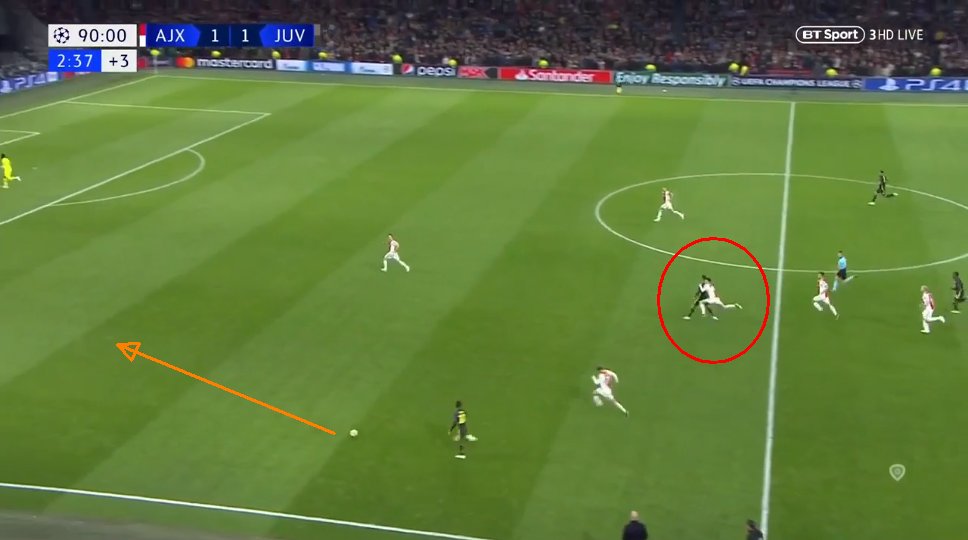
Understanding advantage explains many moments that look like “missed fouls” but are actually deliberate decisions.
You might also like
Man United Youngsters Respond After Ruben Amorim’s Comments Spark Tension Ahead of Bournemouth Clash
18:25 agoPlaying advantage allows the referee to:
- Delay the whistle after a foul
- Let play continue if the fouled team keeps a better position
- Stop play later if the advantage does not materialise
Related Article

Rafinha Alcântara Injury Update: How Persistent Physical Problems Brought a Promising Career to an Early End
16:43 agoThe aim is fairness, not leniency.
Why Stopping Play Can Hurt the Fouled TeamBlowing the whistle immediately can remove opportunity.
Stopping play may:
- Kill a counter-attack
- Prevent a clear goal chance
- Allow the defence to recover shape
Advantage protects attacking momentum.
When Referees Decide to Apply AdvantageReferees assess several factors instantly, including:
- Control of the ball
- Space ahead of the attacker
- Number of defenders behind the ball
- Potential goal-scoring opportunity
If the situation looks more dangerous than a free kick, advantage is applied.
Why Advantage Is More Common in MidfieldMidfield fouls often allow advantage because:
- Space is available to progress
- Possession is usually retained
- Stopping play offers little benefit
Near the penalty area, referees are more cautious.
Why Advantage Is Rare Near the BoxClose to goal, free kicks are powerful tools.
Referees often stop play because:
- Free kicks offer direct scoring chances
- Advantage may disappear quickly
- Defenders are tightly positioned
Risk of losing the advantage is higher.
Why the Whistle Sometimes Comes BackAdvantage is not permanent.
If:
- The attacking move breaks down immediately
- The player loses control
- No benefit is gained
The referee can bring play back and award the free kick.
Why Yellow Cards Still Appear After AdvantageDiscipline is separate from flow.
Referees may:
- Apply advantage
- Wait for the next stoppage
- Then issue a yellow card
This keeps fairness without stopping play.
Why Advantage Looks InconsistentFans perceive inconsistency because:
- Every situation is unique
- Speed and space differ
- Referees judge benefit, not fouls alone
Two similar fouls can lead to different outcomes.
Why Referees Use Arm SignalsWhen advantage is played, referees extend both arms forward.
This:
- Communicates the decision clearly
- Prevents player confusion
- Shows the foul was seen
It signals control, not indecision.
Why Advantage Leads to More GoalsMany goals come from advantage situations because:
- Defences are unbalanced
- Momentum favours the attacker
- Transition moments are dangerous
Stopping play would reduce scoring chances.
Why Fans Often Want the Whistle InsteadFans prefer certainty.
They react because:
- Free kicks feel projected
- Losing the ball feels wasteful
- Emotions override logic
But advantage is about opportunity, not safety.
When Playing Advantage BackfiresAdvantage fails when:
- The attacker hesitates
- Support runs are missing
- The defence recovers instantly
These moments make the decision look wrong in hindsight.
How This Helps You Read Live MatchesUnderstanding advantage helps fans:
- Recognise attacking opportunities
- Trust referee decisions
- Interpret delayed whistles
It explains why not every foul stops the game.
Final ThoughtsReferees play advantage to keep football fair and fluid. The goal is not to punish fouls instantly, but to ensure the fouled team benefits as much as possible.
In football, justice sometimes means letting the game continue.











No comments yet. Be the first to share your thoughts!