
Handball decisions cause some of the biggest arguments in football. A ball hits an arm, players shout, fans expect a whistle — and nothing happens. This is not referee bias or inconsistency. Referees don’t give handball fouls every time because the law focuses on intent, body position, and advantage, not just contact.
Understanding this clears up one of football’s most confusing rules.
You might also like
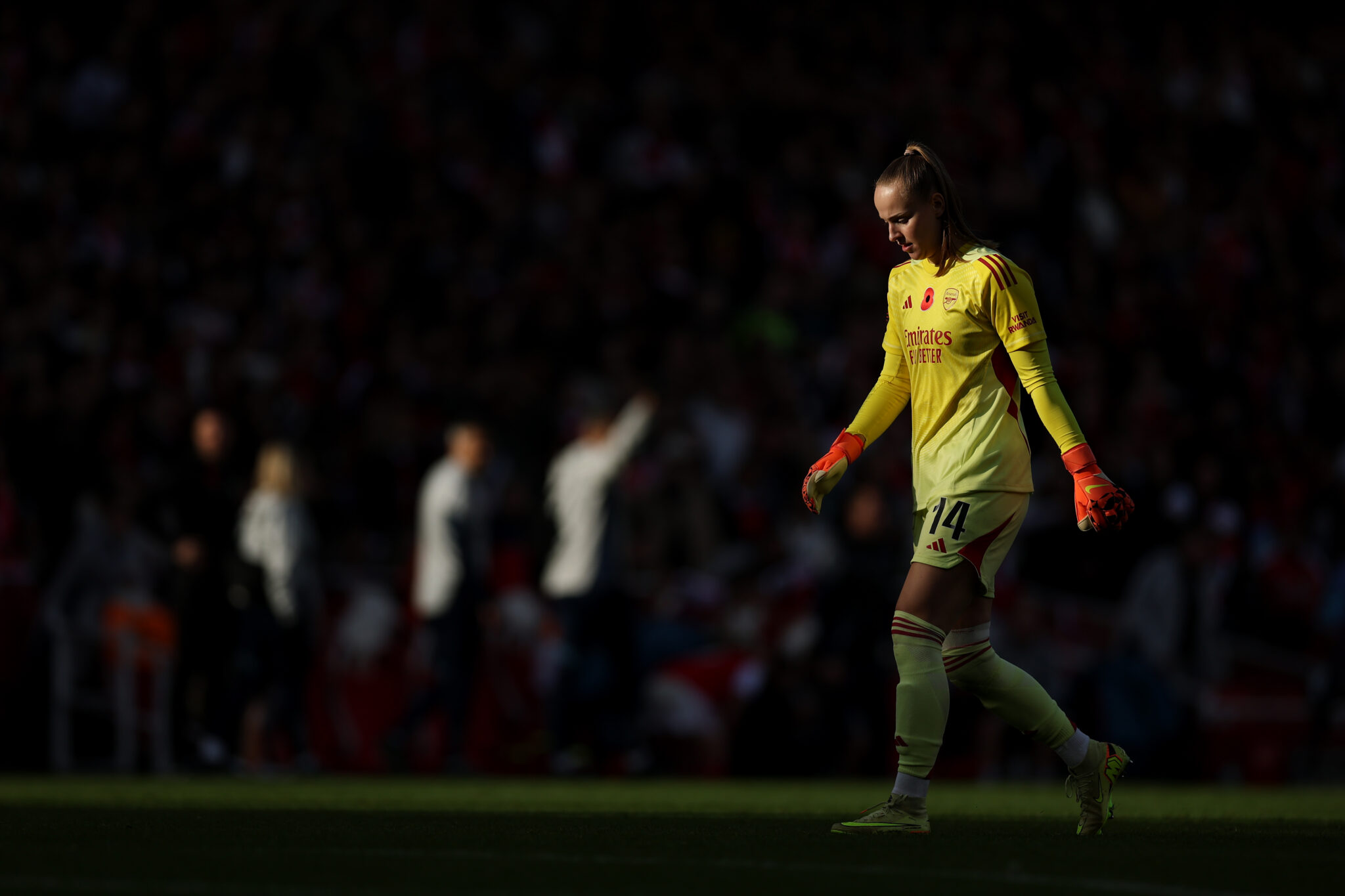
Arsenal women hit with goalkeeping crisis ahead of Liverpool
05:04 agoThe ball touching an arm does not automatically mean a foul.
- Contact can be accidental
- Arms may be in a natural position
- Reaction time matters
Related Article
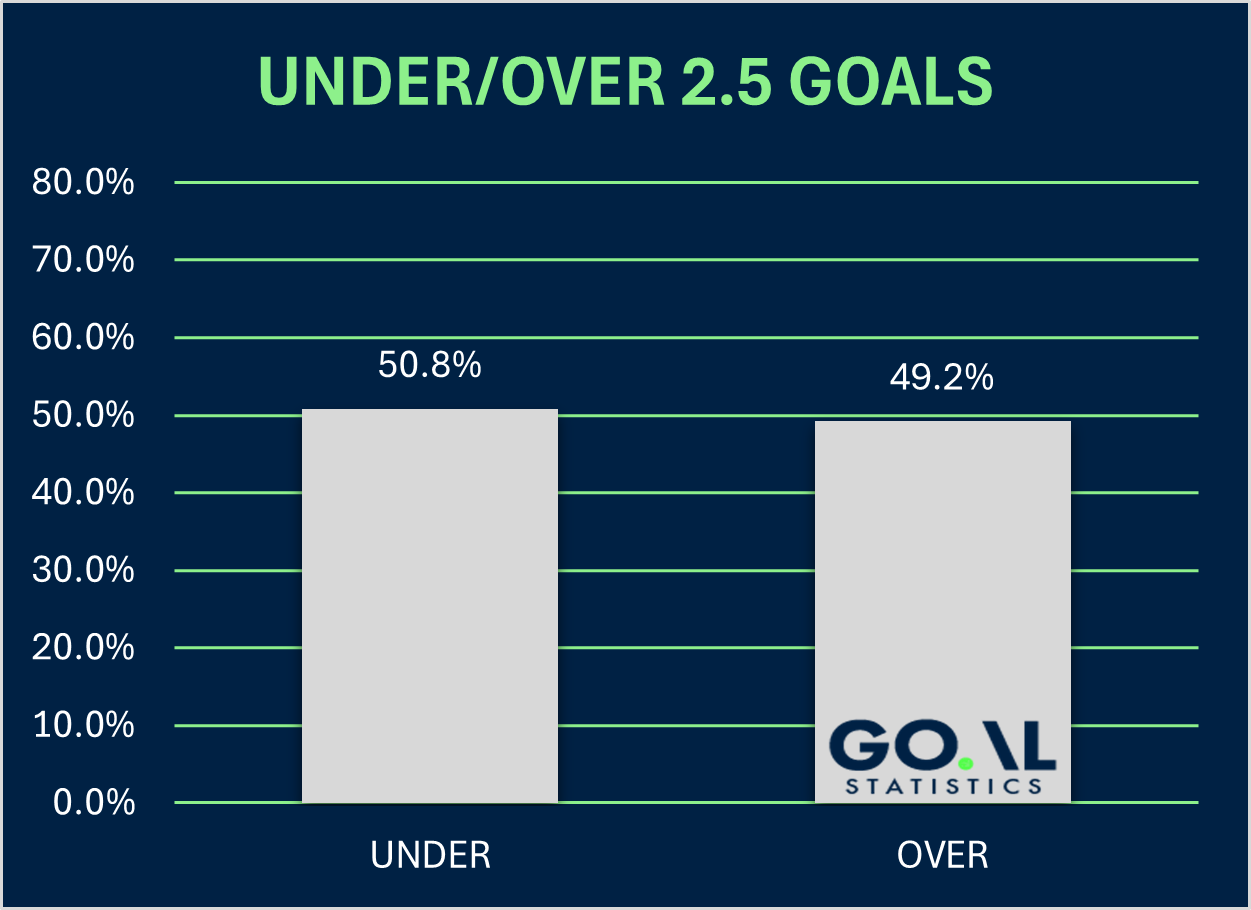
Over/Under 2.5 Goals: Complete Investment Guide
07:47 agoReferees judge context, not just impact.
Natural vs Unnatural Arm PositionArm position is critical.
- Arms close to the body are usually allowed
- Arms making the body bigger are penalised
- Balance-related arm movement is often legal
Referees ask whether the arm created an unfair barrier.
Why Deflections Often Are Not HandballDeflected balls reduce reaction time.
- Ball changes direction suddenly
- Player has no time to react
- Movement is involuntary
Accidental deflections are rarely punished.
Why Handball Is Judged More Strictly in the BoxInside the penalty area:
- Consequences are bigger
- Referees require clearer offences
- VAR scrutiny increases
This is why marginal handballs are often waved on.
Why Attackers Are Judged DifferentlyAttacking handballs follow stricter rules.
- Any handball leading directly to a goal is punished
- Accidental contact can still cancel goals
- Benefit of doubt does not apply
This prevents unfair goal creation.
Why Defenders Sometimes Get Away With ItDefenders are judged on fairness.
- No deliberate movement toward the ball
- No arm extension
- No clear blocking action
Positioning, not outcome, decides punishment.
Why Referees Allow Play to ContinueAdvantage applies to handball too.
- Stopping play may hurt the attacking team
- Possession may remain with attackers
- Referees delay decisions briefly
This can look like the handball was ignored.
Why VAR Does Not Intervene Every TimeVAR only checks clear errors.
- Marginal handball remains subjective
- Interpretation still applies
- Referees’ judgement is respected
VAR is not designed to re-referee contact.
Why Fans See InconsistencyHandball laws are interpretation-based.
- Different arm positions create different outcomes
- Speed changes perception
- Slow-motion exaggerates contact
What looks obvious on replay may not meet the legal threshold.
Why Players Always Appeal for HandballAppealing costs nothing.
- No punishment for asking
- Possible referee hesitation
- VAR review chance
Appeals reflect hope, not accuracy.
Why Handball Rules Keep ChangingHandball laws evolve to improve fairness.
- Reduce unfair penalties
- Encourage attacking play
- Clarify grey areas
This is why older interpretations no longer apply.
How This Helps You Read Live MatchesUnderstanding handball helps fans:
- Judge arm position, not reaction
- Ignore emotional appeals
- Anticipate VAR outcomes
Handball decisions are about fairness, not punishment.
Final ThoughtsReferees don’t give handball fouls every time because football is played at speed and intent matters. Arms exist for balance, movement, and protection — not every contact creates an advantage.
In football, handball is about what the arm does, not what the ball does.












No comments yet. Be the first to share your thoughts!