
Understanding this explains why late chaos is so common.
You might also like
BTTS Explained: When Both Teams Are Likely to Score
13:15 agoAs matches progress, physical limits matter.
Late in games:
Related Article
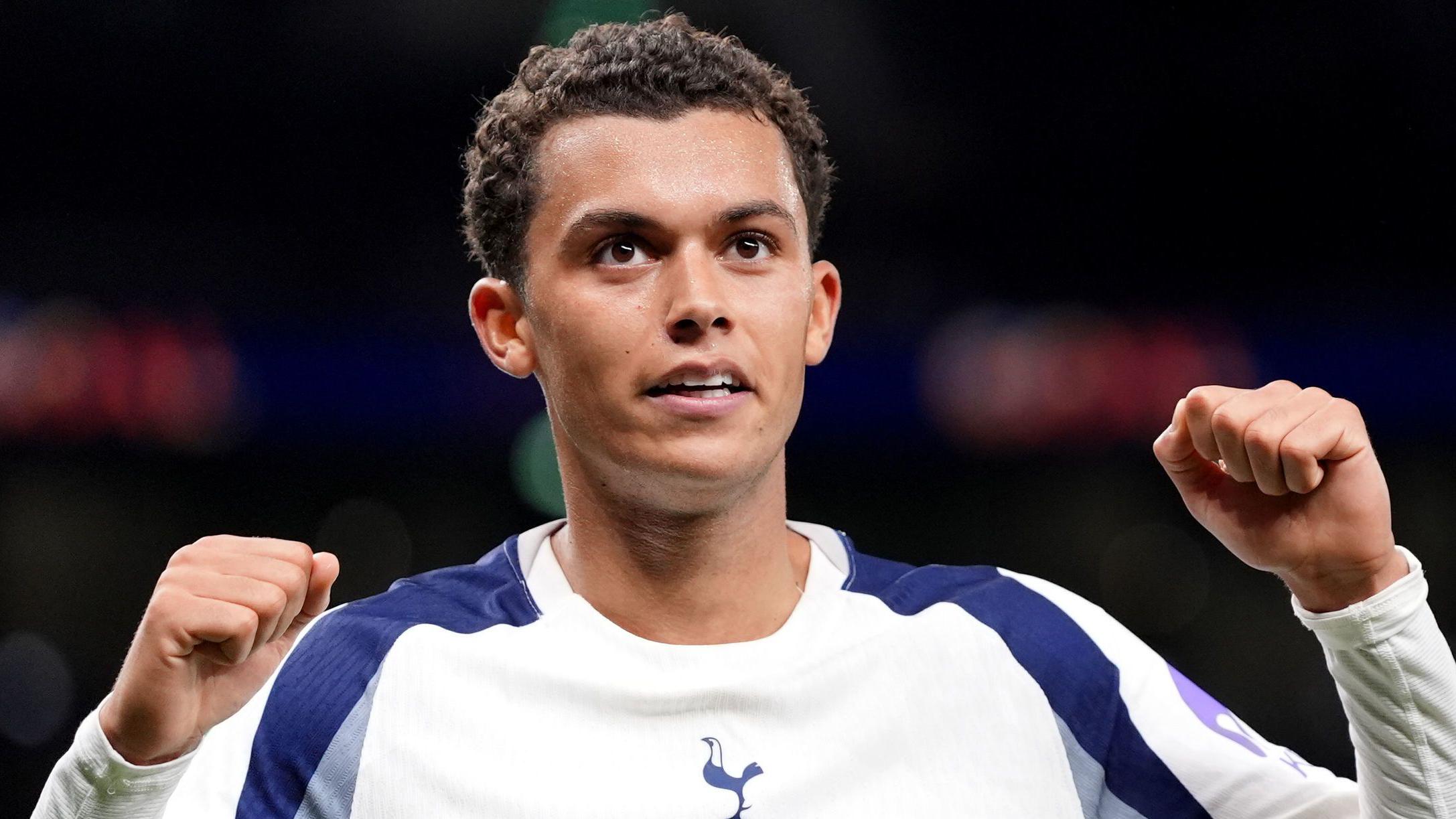
Brennan Johnson Seals High-Profile January Transfer as Crystal Palace Win Race for Attacking Star
02:22 ago- Recovery runs slow down
- Defensive distances increase
- Pressing coordination weakens
Small physical drops create big spaces—especially between lines.
Scoreline Pressure Forces RiskThe score dictates behaviour.
Late-game scenarios often mean:
- Trailing teams must chase
- Leading teams become cautious
- Draws feel less acceptable
Risk replaces balance, and structure is sacrificed.
Teams Commit More Players ForwardWhen time runs out, numbers go forward.
This leads to:
- Full-backs pushing high
- Midfielders breaking lines
- Centre-backs joining attacks
These commitments create space behind, inviting counter-attacks.
Defensive Lines Drop Too DeepTeams protecting a result often retreat.
Common late behaviours include:
- Low defensive blocks
- Clearing instead of building
- Allowing sustained pressure
Dropping too deep compresses space near goal and increases danger.
Substitutions Change Match BalanceLate substitutions disrupt rhythm.
Fresh players:
- Attack tired defenders
- Increase tempo instantly
- Take more direct options
Defenders struggle to adjust quickly, widening gaps.
Set Pieces Increase and Add ChaosOpen games produce more set pieces.
Late pressure causes:
- More corners
- More free kicks
- Long throws into the box
Set pieces bypass open-play control and amplify unpredictability.
Why Midfield Control Collapses LateMidfielders carry heavy workloads.
Late on:
- Tracking runners becomes harder
- Passing accuracy drops
- Second balls are lost
When midfield control fades, matches stretch end to end.
Psychology Shifts From Control to UrgencyLate minutes change decision-making.
Players begin to:
- Rush passes
- Force shots
- Abandon patience
Urgency overrides structure, opening the game.
Why Draws Turn Into Win-or-Lose SituationsLate in matches, draws feel less useful.
Teams may:
- Chase three points
- Accept higher risk
- Abandon conservative plans
This mutual risk-taking opens space for both sides.
Goalkeeper Distribution Speeds Up PlayLate-game goalkeepers often restart quickly.
They:
- Launch long balls
- Skip midfield buildup
- Create direct transitions
Direct play increases turnover frequency and openness.
Why Added Time Extends OpennessLong added time magnifies all effects.
More minutes mean:
- Extended fatigue
- Repeated attacks
- Greater emotional swings
Open phases last longer than planned.
Why Fans Remember Late Openness MoreLate openness stands out because:
- Goals decide results
- No recovery time remains
- Emotion peaks
These moments define matches in memory.
When Matches Do Not Open LateGames stay closed late when:
- One team controls possession calmly
- Defensive discipline holds
- Risk is managed intelligently
Experience and control delay chaos.
How This Helps You Read Live MatchesUnderstanding late openness helps fans:
- Anticipate momentum swings
- Recognise when pressure is building
- Expect chances at both ends
It explains why patience often breaks near the end.
Final ThoughtsMatches become open late because football punishes caution under pressure. Fatigue erodes structure, urgency increases risk, and space appears where discipline once held.
Late-game openness is not random—it’s the natural outcome of time, pressure, and human limits.

No comments yet. Be the first to share your thoughts!