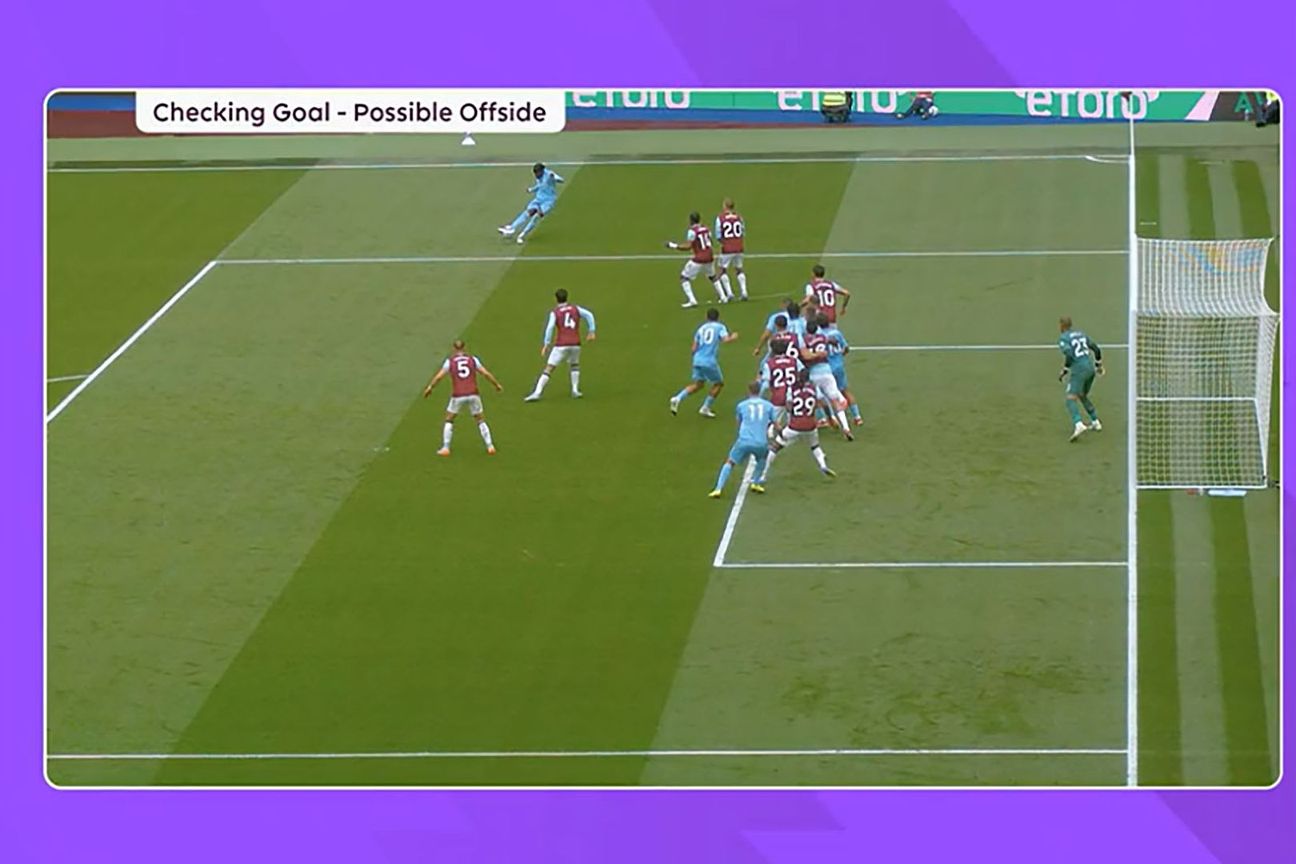
Few moments in football cause more confusion and frustration than a goal being disallowed. Fans celebrate, players react, and then suddenly the referee signals that the goal does not count. With the introduction of VAR, these moments have become even more common — and even more confusing.
Goals are disallowed for specific, rule-based reasons. Understanding them helps explain why decisions change and why VAR intervenes during matches.
You might also like

Why Players Pull Shirts in Football Matches
19:54 agoThe most frequent reasons include:
Related Article

Why Three-Point Attempts Increase Late in Basketball Games
14:38 ago- Offside
- Handball
- Foul in the build-up
- Interfering with play
- Goalkeeper infringement
VAR exists to review these situations more accurately.
Offside: The Number One ReasonOffside is the most common cause of disallowed goals.
A goal is ruled offside if:
- The scorer is ahead of the last defender
- The player gains an advantage from that position
- The player interferes with play or an opponent
VAR checks the exact position of body parts that can legally score, such as:
- Feet
- Head
- Torso
Even marginal offsides can result in a goal being ruled out.
Why “Marginal” Offside Decisions HappenFans often complain about tight offside calls.
These decisions occur because:
- VAR uses frame-by-frame analysis
- Offside is judged at the moment the pass is played
- Any legal scoring body part can count
What looks level to the eye may be offside according to the laws of the game.
Handball in the Build-UpHandball rules have changed significantly in recent years.
A goal is disallowed if:
- The scorer handles the ball immediately before scoring
- The ball touches the arm in an unnatural position
- A handball leads directly to a goal, even accidentally
VAR checks handball incidents carefully, especially during goal-scoring phases.
Fouls Before the GoalEven if the final shot is clean, a goal can be disallowed due to a foul earlier in the move.
Examples include:
- Pushing a defender
- Pulling a shirt
- Tripping an opponent
If VAR identifies a foul in the attacking phase of play, the goal will not stand.
Interfering With the GoalkeeperPlayers do not need to touch the goalkeeper to commit an offence.
A goal may be disallowed if a player:
- Blocks the goalkeeper’s line of sight
- Impacts the goalkeeper’s movement
- Distracts the goalkeeper from an offside position
These decisions are often controversial because they involve interpretation rather than clear contact.
Goalkeeper Fouls and InfringementsGoals can also be ruled out if:
- The goalkeeper is fouled
- The goalkeeper is pushed or impeded
- An attacker kicks the ball out of the keeper’s hands
VAR reviews these incidents closely because goalkeepers are given special protection under the rules.
Why VAR Takes So Long to DecideVAR checks multiple elements during a goal review.
This includes:
- The build-up phase
- Offside positioning
- Potential fouls
- Handball involvement
Each angle must be reviewed to ensure the correct decision is reached.
Accuracy is prioritised over speed.
Why Referees Sometimes Change Their DecisionVAR does not automatically overturn decisions.
The referee:
- Reviews the footage
- Receives guidance from VAR officials
- Makes the final call
If the evidence shows a “clear and obvious error,” the original decision is changed.
Why Fans Often Disagree With VAR CallsVAR decisions often feel harsh because:
- Football is emotional
- Margins are extremely small
- Technology removes subjectivity
What feels unfair emotionally may still be correct under the laws of the game.
How This Affects Live MatchesDisallowed goals can:
- Change momentum instantly
- Shift confidence between teams
- Influence tactical decisions
Understanding VAR decisions helps fans interpret what is happening in real time rather than reacting purely emotionally.
For live fixtures and match context as games unfold, visit Predictians Today’s Matches & Insights. Why VAR Has Not Removed ControversyVAR improves accuracy, but it cannot remove interpretation entirely.
Football still involves:
- Judgement calls
- Contextual decisions
- Human interpretation
Technology assists referees — it does not replace them.
Final ThoughtsGoals are disallowed not because football wants drama, but because rules must be applied consistently. VAR exists to correct mistakes, even when those corrections feel painful in the moment.
Understanding why goals are ruled out makes the game clearer, calmer, and easier to follow — especially during high-pressure matches.
In modern football, celebrating a goal means waiting for confirmation — and knowing why that confirmation might not come.






No comments yet. Be the first to share your thoughts!