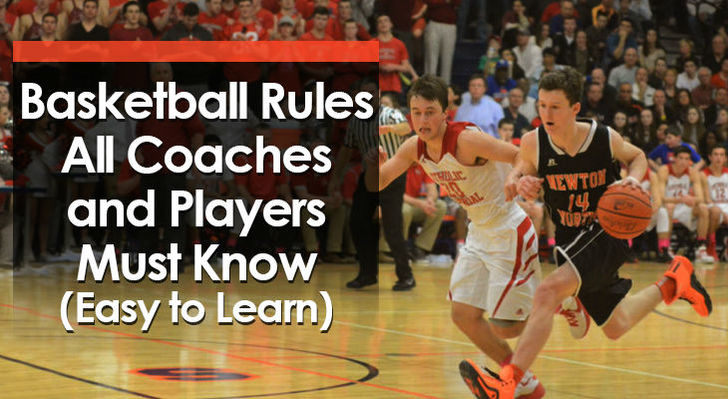
Understanding why stars get subbed in crunch time reveals how coaches think beyond points and highlights.
You might also like

Jagiellonia vs Fiorentina: Prediction, Preview, lineups
15:22 agoThe simplest reason is foul trouble.
When a star player has:
Related Article

Olympiakos Piraeus vs Bayer Leverkusen: Prediction, Preview, lineups
04:30 ago- Four or five personal fouls
- High defensive responsibility
- A key matchup to protect
Coaches may bench them briefly to avoid disqualification. Losing a star entirely is far more damaging than sitting them for a short stretch.
Managing Fatigue Late in GamesStars often carry heavy workloads.
Late-game fatigue leads to:
- Lower shot accuracy
- Slower defensive reactions
- Poor decision-making under pressure
A short rest can restore focus and energy, making the player more effective in the final possessions.
Defensive Matchups MatterBasketball is a game of matchups, especially late.
Coaches may substitute a star if:
- The opponent targets them defensively
- A quicker defender is needed
- A switch-heavy defence is planned
Even elite scorers can be defensive liabilities in likely situations. Coaches balance offence with defensive stability.
Offence–Defence SubstitutionsLate in games, coaches often rotate players based on possession.
Common tactics include:
- Defensive specialist for key stops
- Shooter for offensive possessions
- Ball-handler for free-throw situations
Stars may sit for defensive possessions and return for offence, maximising impact without exposing weaknesses.
Preventing Turnovers Under PressureLate-game pressure increases turnover risk.
If a star:
- Is double-teamed aggressively
- Forces difficult passes
- Has struggled with ball security
A coach may opt for a calmer ball-handler to stabilise the offence and protect the lead.
Managing Ego and Team BalanceSometimes substitutions are about the team, not the player.
Coaches consider:
- Ball movement vs isolation
- Who is “hot” at that moment
- Team chemistry under pressure
If another player is performing better in that specific situation, the coach may ride the momentum—even if it means benching a star temporarily.
Injury Prevention and Long-Term ThinkingCoaches must think beyond a single game.
If a star shows:
- Signs of discomfort
- Heavy minutes across recent games
- Risk of aggravating a knock
A brief substitution can prevent a long-term injury. Protecting the season sometimes outweighs one possession.
Strategic Use of Timeouts and Sub PatternsSubstitutions often align with timeouts.
Coaches may:
- Sub a star out before a timeout
- Bring them back for a designed play
- Use rest strategically between stoppages
This allows stars to return fresh for decisive moments like final shots or defensive stands.
Why Fans Often Disagree With These DecisionsFans see stars as constant solutions. Coaches see them as tools to be deployed optimally.
Fans react emotionally because:
- Stars create excitement
- Close games heighten tension
- Benchings feel risky
Coaches, however, prioritise probability and execution over sentiment.
When Subbing a Star BackfiresThese decisions don’t always work.
They can fail when:
- The team loses scoring rhythm
- The opponent goes on a run
- The star struggles to re-enter the game
But even then, the decision is usually logical—not reckless.
How This Helps You Read Live Basketball GamesUnderstanding late-game substitutions helps fans interpret:
- Coaching priorities
- Matchup adjustments
- End-of-game strategies
Subbing a star player in a close game is rarely about distrust. It’s about timing, balance, and control. Coaches manage fatigue, fouls, matchups, and momentum to give their team the best chance to win—not just the loudest moment.
In basketball, the smartest decisions are often the least obvious.


No comments yet. Be the first to share your thoughts!