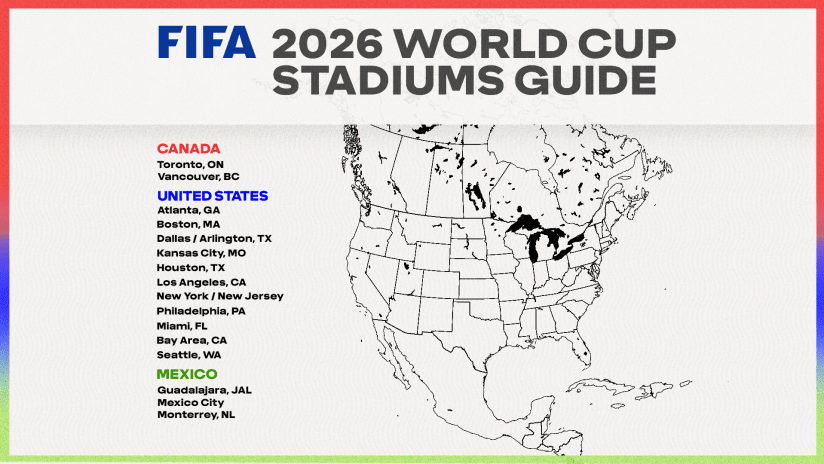
Where Will the World Cup 2026 Be Played?
Where Will the World Cup 2026 Be Played?
One of the most searched questions ahead of the tournament is simple but important: where will the World Cup 2026 be played? Unlike previous editions hosted by a single country, the World Cup 2026 introduces a unique multi-nation hosting model.
You might also like
First Half/Second Half prediction: Timing Your Investments Right
11:20 agoThis article explains the hosting structure, what it means for teams and fans, and why it matters.
A Multi-Country World Cup for the First TimeThe World Cup 2026 will be hosted across multiple countries.
Related Article

Alonso backs Mbappe to emulate Ronaldo at Madrid
16:56 ago- Matches will be spread across different nations
- Multiple cities and stadiums will be used
- Travel and logistics become part of the challenge
This makes the tournament larger and more complex than ever.
Why the World Cup 2026 Uses Multiple Host CountriesThe expanded tournament requires more infrastructure.
- More teams mean more matches
- More stadiums are needed
- Workload is shared across regions
Joint hosting allows the tournament to scale without overwhelming a single country.
How Host Cities Are SelectedNot every city qualifies automatically.
- Stadium capacity must meet requirements
- Transport and accommodation are evaluated
- Security and logistics are assessed
Only cities that meet strict standards are chosen.
Why Stadium Quality MattersWorld Cup matches demand elite facilities.
- Large seating capacity
- Modern pitch technology
- Broadcast and fan experience standards
Stadiums influence match quality and atmosphere.
 How Travel Affects Teams in World Cup 2026
Travel becomes a competitive factor.
- Longer distances between matches
- Time zone adjustments
- Reduced recovery time
Teams that manage logistics well gain an advantage.
Why Fans Care About Host LocationsHost locations shape the tournament experience.
- Atmosphere varies by city
- Climate affects match tempo
- Fan turnout differs across venues
Where a match is played often affects how it is played.
Climate and Playing ConditionsDifferent locations bring different conditions.
- Heat can slow matches
- Altitude affects stamina
- Weather influences tactics
Adaptability becomes a key success factor.
Why Host Locations Impact Tournament PredictionsVenue matters in analysis.
- Teams used to travel cope better
- Squads with depth handle fatigue
- Experience reduces disruption
Location adds another layer to prediction logic.
How Host Nations BenefitHosts gain structural advantages.
- Familiar environments
- Reduced travel stress
- Stronger fan support
These factors often boost performance.
Why the World Cup 2026 Feels Different AlreadyThe scale changes perception.
- More cities, more stories
- More fans involved
- Greater global reach
This is not just a tournament — it’s a continental event.
How This Helps Fans Understand the World CupKnowing where matches are played helps fans:
- Understand scheduling challenges
- Read team fatigue correctly
- Anticipate tactical adjustments
Location influences football more than many realise.
Final ThoughtsThe World Cup 2026 will be played across multiple countries and cities, creating the largest and most logistically complex tournament in football history. Where matches are played will matter just as much as who plays them.
In international football, geography is part of the competition.












No comments yet. Be the first to share your thoughts!