
Tax and Legal Considerations for Betting Investors
The global sports betting industry has grown into a multi-billion-dollar digital economy, attracting investors from around the world. From online sportsbooks and betting exchanges to affiliate platforms and prediction tools, betting-related investments continue to expand rapidly.
However, while the opportunities are significant, betting investors must navigate a complex landscape of tax laws, licensing rules, and regulatory frameworks. Understanding these responsibilities is essential for protecting profits, avoiding penalties, and building a sustainable betting business.
You might also like

Guardiola’s Rotation Misfires: City Punished for Leaving Haaland on the Bench
23:00 agoUnderstanding the Betting Investment Landscape
Betting investment can take many forms, including:
- Owning or operating an online sportsbook
- Investing in betting startups and gaming technology companies
- Running an affiliate betting platform
- Developing betting software, prediction tools, or odds platforms
- Providing payment, data, or risk management services to bookmakers
Related Article
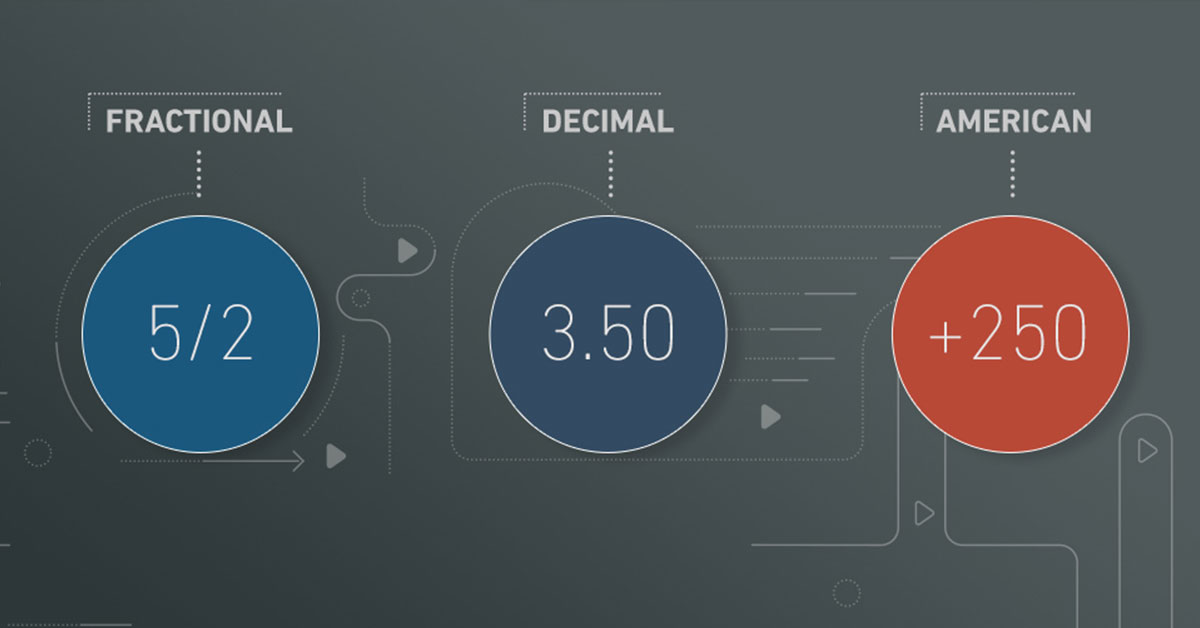
Understanding Betting Odds: Decimal, Fractional, and American Explained
22:27 agoBetting Licenses and Regulatory Compliance
One of the most important legal requirements for any betting business is licensing. Most countries require sportsbooks and betting platforms to obtain official gambling licenses before offering services to customers.
Popular licensing jurisdictions include:
- Malta Gaming Authority (MGA)
- UK Gambling Commission (UKGC)
- Curacao eGaming
- Isle of Man Gambling Supervision Commission
- Gibraltar Regulatory Authority
Each regulator imposes requirements covering business registration, financial audits, responsible gambling, and anti-money laundering compliance. Operating without a valid license can result in heavy fines, frozen funds, and permanent business bans.
Betting Taxes: What Investors Must Know
Tax obligations vary widely depending on location, licensing jurisdiction, and business structure. Some countries tax betting operators directly, while others tax player winnings.
Common betting tax models include:
- Gross Gaming Revenue (GGR) Tax – calculated as total stakes minus player winnings
- Corporate Income Tax – applied to business profits
- Player Winnings Tax – charged directly on bettor profits in some countries
- Withholding Tax – deducted automatically from player payouts in certain jurisdictions
Cross-Border Betting and International Law
Online betting platforms often operate internationally, creating cross-border legal risks. A license in one country does not automatically grant permission to operate in another.
- Some countries ban online gambling entirely
- Others require local state or national licenses
- Many restrict foreign operators without approval
Accepting players from restricted jurisdictions can lead to blacklisting, payment bans, domain seizures, and heavy penalties.
Payment Processing and Financial Regulations
Betting businesses are classified as high-risk by banks and payment providers. Compliance is required with:
- Know Your Customer (KYC) rules
- Anti-Money Laundering (AML) laws
- Fraud prevention regulations
- Cryptocurrency compliance policies
Most regulators require identity verification, transaction monitoring, and financial reporting.
Responsible Gambling and Player Protection Laws
Modern gambling regulation focuses heavily on consumer protection. Investors must implement:
- Deposit and loss limits
- Self-exclusion tools
- Reality checks
- Addiction support links
- Fair gaming audits
Failure to comply can result in massive fines and license suspension.
Advertising and Marketing Restrictions
Betting advertising is tightly regulated in many regions. Common restrictions include:
- No targeting minors
- No misleading bonus promotions
- No guaranteed win claims
- No irresponsible gambling messaging
Affiliates are also held accountable for misleading promotions.
Tax Planning Strategies for Betting Investors
Successful betting investors structure their operations for tax efficiency while remaining compliant. Common strategies include:
- Registering companies in betting-friendly jurisdictions
- Using double-taxation treaties
- Separating software, IP, and operating entities
- Hiring specialized gaming tax consultants
The Importance of Legal Counsel
Due to the complexity of gambling law, professional legal guidance is essential. Gaming attorneys assist with licensing, compliance, corporate structuring, and regulatory audits.
Final Thoughts
The betting industry offers enormous investment potential driven by legalization, mobile technology, and digital payments. But long-term success depends on full legal and tax compliance.
Investors who treat betting like a regulated financial industry — with transparency, structure, and professional oversight — will be best positioned to build profitable and sustainable betting businesses.







No comments yet. Be the first to share your thoughts!