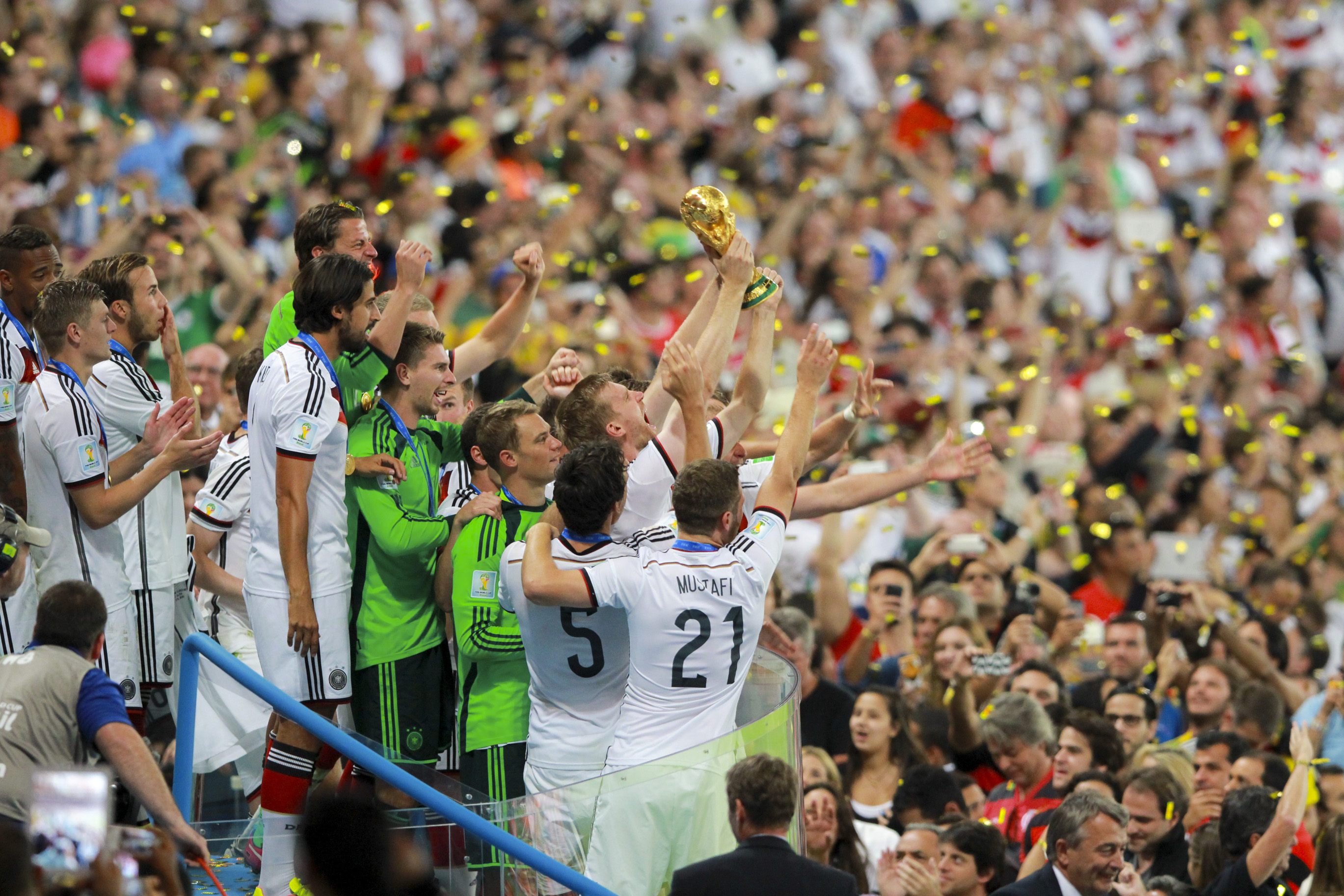
Germany 2014 vs France 2018: Structure, Depth, and Two Blueprints for World Cup Dominance
World Cup champions are often remembered for lifting the trophy, but only a few are remembered for redefining how international teams can dominate. Germany 2014 and France 2018 were not just winners; they were blueprints. Each team represented a different interpretation of modern football dominance — one built on collective structure and tactical clarity, the other on depth, athleticism, and controlled power.
Both teams conquered the world within four years of each other, yet they did so through contrasting philosophies. Comparing them is not about which team was more talented, but which imposed a more complete and convincing form of dominance on the global stage.
You might also like

Asian Handicap prediction Explained: Advanced Strategy for Smart Investors
16:01 agoGermany 2014: Collective Intelligence and Tactical Precision
Germany’s 2014 World Cup victory was the culmination of long-term planning, structural reform, and football intelligence. This was not a team dependent on individual brilliance, but one built on cohesion, adaptability, and shared responsibility.
Germany dominated matches through balance. They could control possession when required, press aggressively without the ball, and transition smoothly between defensive and attacking phases. Every player understood their role within the system, creating a sense of inevitability in their performances.
Related Article
MLS Playoffs Rondo: Messi's best run of form? Who wins it all?
22:52 agoWhat made Germany particularly dominant was their composure under pressure. In high-stakes matches, they did not retreat or panic. Instead, they trusted their structure, maintaining discipline even when the margins were tight.
Their attacking play was efficient rather than extravagant. Goals were the product of movement, positioning, and teamwork rather than spontaneous brilliance. This made Germany incredibly difficult to disrupt.
France 2018: Power, Depth, and Controlled Chaos
France’s 2018 triumph showcased dominance through athleticism, depth, and strategic restraint. This team was packed with talent across every position, allowing them to adapt their approach depending on the opponent and situation.
Unlike Germany, France did not seek to control every match through possession. They were comfortable defending deep, absorbing pressure, and striking with devastating speed when opportunities arose.
France’s dominance was rooted in efficiency. They did not need sustained pressure to win matches. A few decisive moments were often enough to tilt games irreversibly in their favor.
This approach made France unpredictable. Opponents could dominate possession and still find themselves undone by a single transition or lapse in concentration.
Structure vs Depth
The key difference between Germany 2014 and France 2018 lies in how dominance was constructed. Germany relied on structure and understanding. France relied on depth and adaptability.
Germany’s system elevated every player, minimizing weaknesses through collective intelligence. France’s system maximized individual strengths, allowing elite talent to decide matches within a controlled framework.
Germany reduced risk through cohesion. France accepted risk and mastered it.
Big Matches and Mental Authority
Germany’s authority in big matches came from calm control. They dictated tempo, limited mistakes, and gradually imposed superiority. Their victories often felt methodical and inevitable.
France’s authority came from confidence and belief. They were unbothered by pressure, often growing stronger as matches became more intense. Their physical and mental resilience proved decisive in knockout situations.
Germany drained opponents through control. France overwhelmed them through timing.
Psychological Impact on Opponents
Facing Germany meant facing precision. Opponents knew that mistakes would be punished through structure and efficiency.
Facing France meant facing uncertainty. Teams never knew whether France would dominate possession, counterattack, or absorb pressure — and that unpredictability bred hesitation.
Germany inspired caution. France inspired fear.
Tactical Influence on International Football
Germany’s success reinforced the importance of long-term development, tactical education, and collective identity at international level.
France’s success highlighted the value of squad depth, athletic profiles, and tactical flexibility. It showed that modern tournaments reward adaptability as much as ideology.
One influenced systems. The other influenced squad-building.
Consistency vs Efficiency
Germany’s dominance was consistent across matches. Performances followed a clear pattern of control and balance.
France’s dominance was efficient. They did not dominate every phase of every match, but they always dominated outcomes.
Germany mastered matches. France mastered tournaments.
The Final Verdict
If dominance is defined by structure, collective intelligence, and tactical clarity, Germany 2014 stands as one of the most complete international teams ever assembled.
If dominance is defined by depth, adaptability, and tournament efficiency, France 2018 sets the modern benchmark.
Ultimately, Germany 2014 represented the perfection of planning, while France 2018 represented the power of potential fully realized. Two different paths, one ultimate prize — and two teams that defined an era of international football.



No comments yet. Be the first to share your thoughts!